Read More
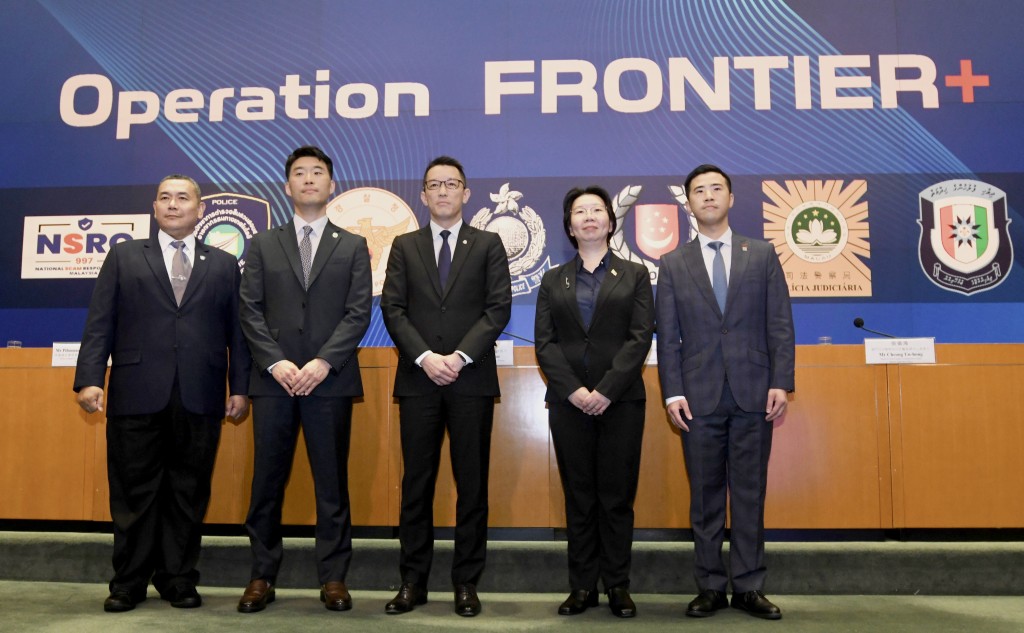
Hong Kong police and anti-scam units from six other countries and regions arrested more than 1,800 suspects and intercepted around US$20 million (HK$157 million) in fraudulent funds within a month through a cross-border collaboration platform.
ADVERTISEMENT
SCROLL TO CONTINUE WITH CONTENT
The operation, conducted between 28 April and 28 May, was facilitated by Frontier+, a cross-border anti-fraud collaboration platform launched in October last year to transform strategies to tackle transnational scams, recover cross-border assets, as well as exchange intelligence and experiences on anti-scam campaigns.
The alliance currently includes Hong Kong, Macau, Singapore, South Korea, Thailand, Malaysia, Maldives, Australia, Canada and Indonesia.
Authorities froze more than 32,000 bank accounts and dismantled multiple fraud networks involved in online shopping scams, phone scams, investment fraud and fake job schemes.
Hong Kong police alone arrested over 330 suspects linked to crimes totaling about HK$475 million.
Wong Chun-yue, chief superintendent of the Hong Kong Police Force’s Commercial Crime Bureau, noted that scam trends often spread regionally, citing a rise in fake customer service scams in Singapore and Macau this year – a pattern Hong Kong experienced in 2024.
In such scams, scammers often pose as staff of e-payment platforms such as Alipay and WeChat Pay, falsely claiming that the victim’s "fund security insurance" is about to expire and will incur high fees.
They use this pretext to trick victims into revealing their bank account information or even granting the scammers remote access to conduct transactions.
Wong said fraud cases in the city rose nine percent year-on-year in the first four months of 2025, with over 13,000 reported incidents.
Online shopping scams surged by 31 percent, partly due to fraudulent concert ticket sales, while job-related scams, including "brush trading" schemes, jumped 70 percent.
The operation also helped identify overseas victims, including individuals in Singapore and Macau, demonstrating the platform’s effectiveness in protecting residents across different jurisdictions.
“We have observed that scam syndicates use the same tactics to target victims in different regions, making cross-border collaboration and intelligence-sharing crucial," he said.
(Ayra Wang)