





Read More








HK movie producer Raymond Wong Pak-ming convicted of insider dealing
22-05-2026 17:10 HKT

Swire Properties wins compulsory auction for $2.02b Quarry Bay property
22-05-2026 20:36 HKT
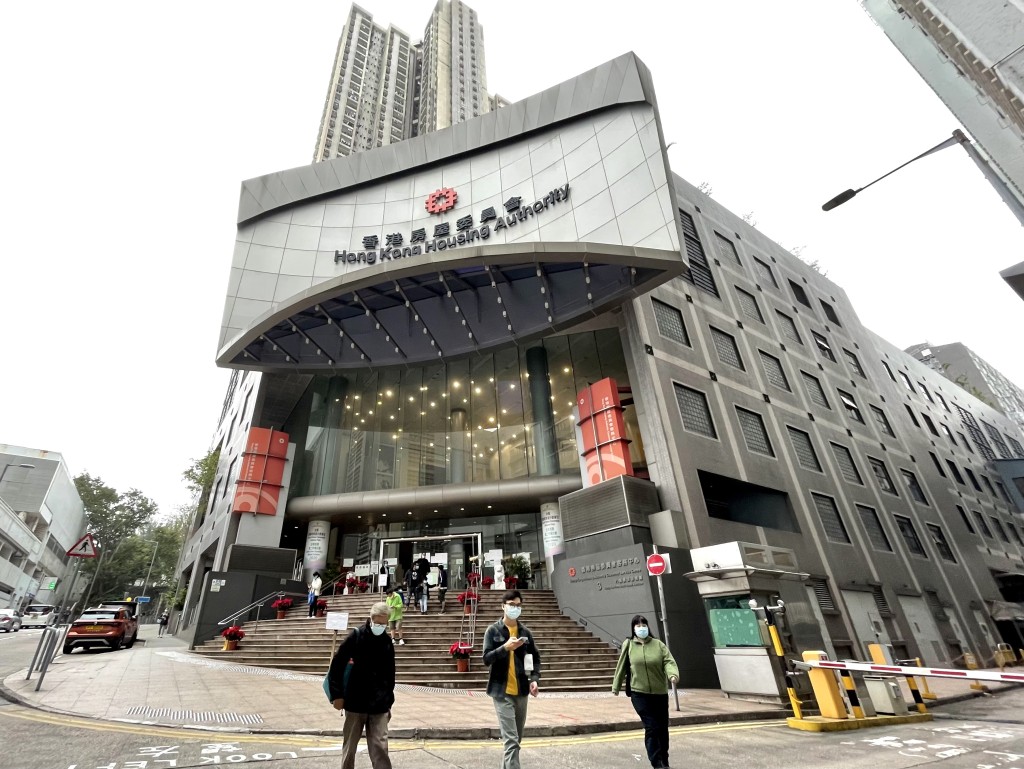
Hong Kong has implemented stricter rules for wealthier public housing tenants, significantly increasing their rent under the revised "Well-off Tenants Policy." Effective immediately, eligible households now face rent multipliers of 2.5 to 4.5 times the standard rate—up from the previous 1.5 to 2 times—based on their monthly income and net asset limits.
The move has sparked backlash, with some affected tenants taking to social media to voice their frustrations.
One post, written on behalf of a single-parent family of three, stated that their rent would jump from HK$4,000 to HK$10,000 per month under the new rules.
The family reportedly earns a combined HK$51,000—above the Housing Authority’s income threshold of HK$25,100 for a three-person household.
According to the Housing Authority’s latest guidelines (effective April 1, 2025), households earning between HK$50,201 and HK$75,300 must pay 2.5 times the standard rent.
However, the claim in the post that the rent would be HK$10,000 appears exaggerated—the actual adjusted rent would be around HK$5,742.50 (based on the 2024 average public housing rent of HK$2,297).
The original poster later clarified that the HK$10,000 figure included utilities, transport, and meal expenses.
The post drew hundreds of mixed reactions, with some criticizing the tenant for complaining despite a relatively high income, while others slammed the government for squeezing residents amid economic struggles.
One comment noted that rent only takes up 20 percent of their income, questioning how that could be considered unaffordable. Another remarked that people are barely making ends meet, and now the government wants even more for rent.
The Hong Kong Housing Authority approved stricter measures under its "Well-off Tenants Policy" on March 21, 2025, aiming to accelerate the turnover of public housing units and encourage upward mobility among subsidized tenants.