Read More






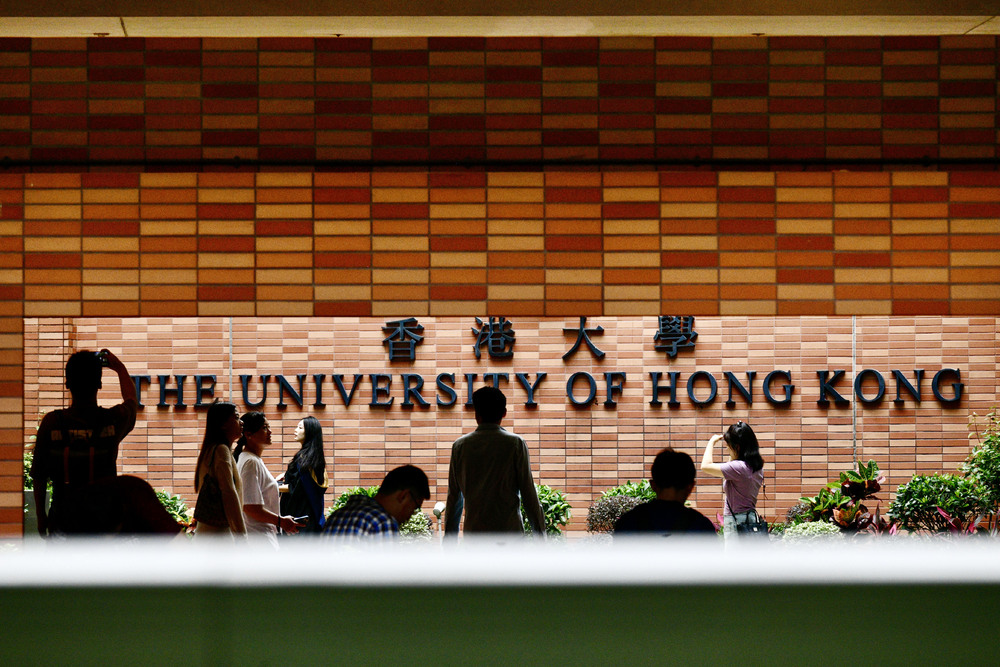
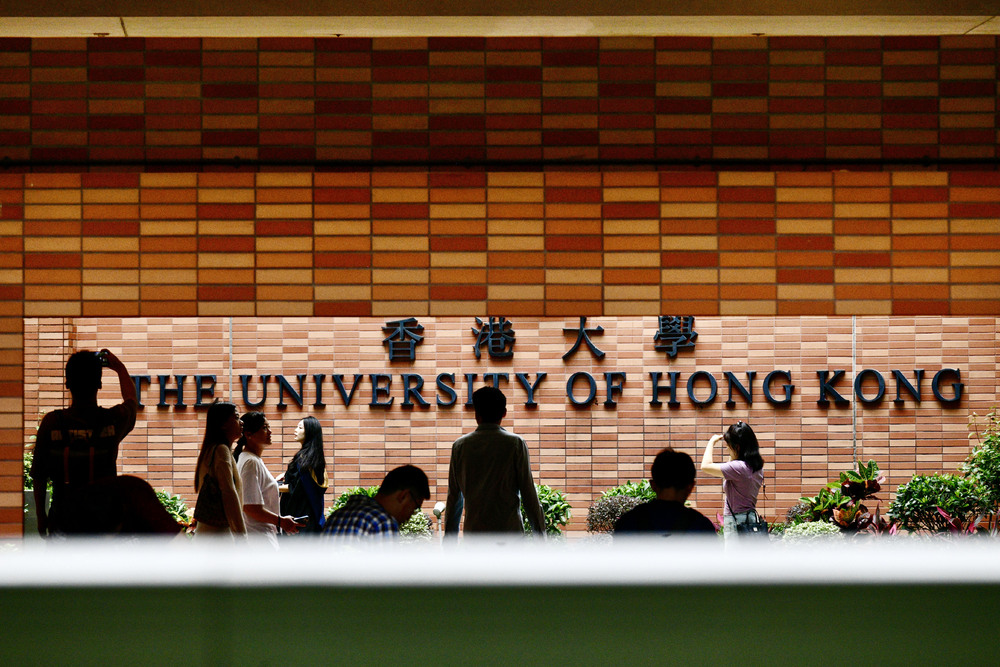
The University of Hong Kong's anti-fraud measure requiring students to complete fraud prevention questionnaires before gaining access to libraries is not "aimless", lawmakers said, as the move can educate students on the identification and proper handling of fraudulent activities.
HKU has mandated all students, both local and nonlocal, to complete the questionnaire on the e-learning platform by February 10 or risk being restricted from accessing the libraries and the Chi Wah Learning Commons.
Speaking on a radio program Monday morning, lawmaker Chow Man-kong, also the chairman of the Legislative Council’s panel on education, said all 31 questions included in the questionnaire cover various fraud cases, without which students might not be aware, as he emphasized the necessity of implementing comprehensive measures to safeguard them.
“The questionnaire focuses on serious fraud cases recently, with the objective of fostering greater vigilance among students and reducing the number of such unfortunate incidents,” Chow said.
“The measure is not aimless, rather, it is well-intentioned and for the benefit of students, therefore worthwhile to take an attempt," he said.
Legislator Johnny Ng Kit-chong said on the same radio program on Monday that he supports the new measure but describes the contents of the questionnaire as "elementary".
He cited examples of anti-fraud questionnaires in the mainland, which include further details regarding specific cases and are more comprehensive.
HKU responded to the media saying the police and its Centre of Development and Resources for Students had been monitoring fraudulent cases involving students.
In order to assist students in identifying potential fraudulent activities and thereby mitigate the risk of property loss, a comprehensive fraud prevention learning kit containing detailed information on four prevalent frauds and fraud prevention messages in the form of a video and multiple-choice questions has been disseminated to the students, it said.
“The primary objective of this initiative is to facilitate the comprehension of fraudulent information for students, particularly newly-arrived mainland students.”
(Stacy Shi)