Read More

Night Recap - April 10, 2026
13 hours ago






HK to brace for seven-day heatwave, record temperatures forecast
09-04-2026 17:30 HKT
More than 500 local and overseas academics have slammed universities’ decision to sack legal scholar Benny Tai Yiu-ting and lawmaker Shiu Ka-chun from their teaching jobs.
In a joint statement by four teaching professionals groups, the scholars said the terminations delivered a severe blow to academic freedom in Hong Kong, and the decisions violated procedural justice.
It called for the withdrawal of the terminations and the cancellation of chief executive Carrie Lam Cheng Yuet-ngor as the chancellor of universities.
Tai was sacked by the University of Hong Kong’s Council last month due to his convictions linked to the Occupy movement in 2014, while the Baptist University has rejected the renewal of Shiu’s contract, as he was jailed for inciting others to join the same pro-democracy movement.
The pair is still waiting for court appeals.
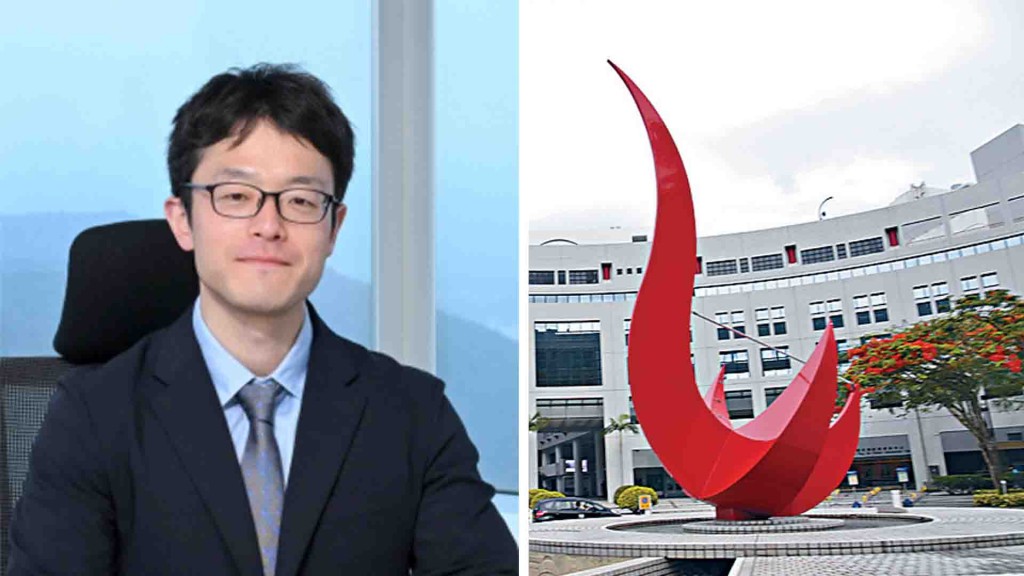
Dixon Sing Ming, a scholar at the University of Science and Technology, said the two universities should retract their decisions and do more to protect academic freedom.
“If academic freedom is undermined, if you erode press freedom and the quality of our debate in the public areas…, the overall governance of the society will suffer,” said Wong, who thinks the civic obedience movement Tai launched should not be a reason for his dismissal.
Education lawmaker Ip Kin-yuen said the termination of Tai was similar to the case of another HKU legal scholar Johannes Chan Man-mun, whose qualifications as the institution’s pro-vice-chancellor was rejected by the governing council in 2015.
The HKU’s council has overturned a previous ruling by its senate, which recommended against the dismissal. Chan, on the other hand, was denied appointment by the same junta despite unanimous recommendations by a selection committee headed by former president Peter Mathieson.
The president of the Professional Teachers' Union, Fung Wai-wah, said the enactment of the national security, coupled with growing concerns over the SAR’s dwindling academic freedom, have forced many scholars to consider moving overseas.
“Many scholars are worried about whether they will touch the red line when they do research and when they teach or when they criticize public policies. So, many of them are thinking about whether they should still stay in an environment that is quite dangerous. Some of them are now considering finding some jobs in other countries where there is higher academic freedom”, he said.