Staff reporter
Chinese ride-hailing platform Chenqi Technology (9680), better known as Ruqi Mobility, showed a modest rise among three debutants in local gray markets last night ahead of its trading debut today.
The Guangzhou-based firm climbed 1 percent to HK$35.35 on the Futu Securities platform while it edged up 0.3 percent to HK$35.1 in Phillip Securities' gray market.
The company, founded by state-owned automaker Guangzhou Automobile (2238) and Tencent (0700) in 2019, raised HK$1.05 billion in its Hong Kong initial public offering after pricing shares at HK$35 apiece, which is towards the bottom end of its indicative range.
It was the second-largest mobility service platform in the Greater Bay Area in terms of gross transactions in 2023, according to Ruqi's prospectus citing a Frost & Sullivan report.
But Ruqi's market share, which stood at 5.6 percent last year, is still far behind ride-hailing giant Didi Global's 56.5 percent.
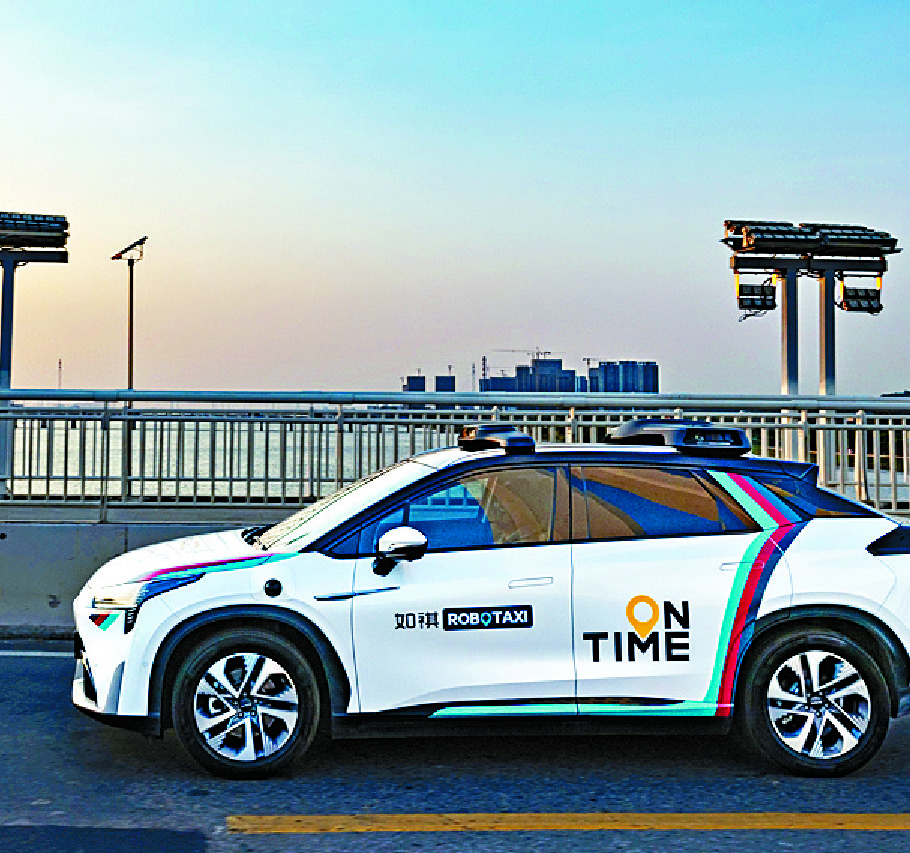
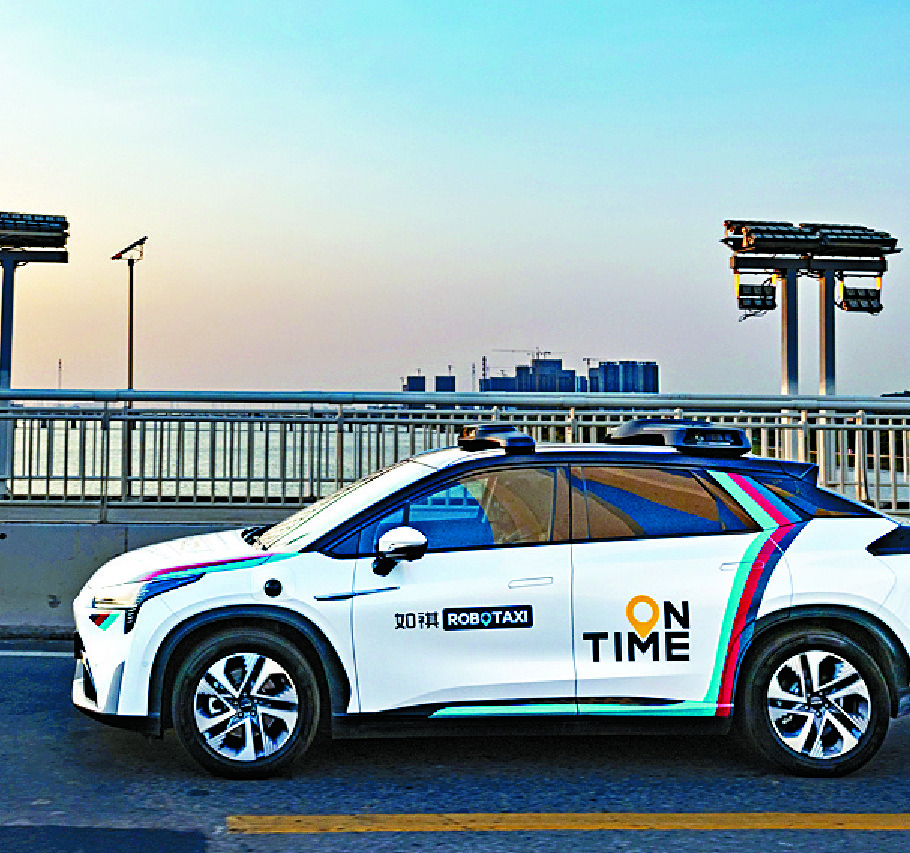
Ruqi has been stepping up its bets on self-driving taxi services amid growing competition.
It said it was the first mobility platform to launch a commercialized hybrid operation of manned ride-hailing and robotaxi services in October 2022.
However, revenue generated from robotaxis remained marginal, it added.
Fellow debutant Ruichang International (1334) saw the best gray market performances of the three. The mainland petroleum refinery and petrochemical equipment manufacturer jumped 10.5 percent in Futu's gray market and 13.3 percent in Philip's.
Ruichang raised HK$131 million from its IPO based on a listing price of HK$1.05.
Shanghai Voicecomm Information Technology (2495) was the worst of the three debutants in terms of gray market performance, which lost over 17 percent on both platforms.
The IT solutions provider raised HK$665 million from its listing at an offer price of HK$152.1.
Meanwhile, two new stocks saw mixed performances on their debuts yesterday.
Online chronic disease management platform Fangzhou (6086) tumbled 44.6 percent in its trading debut yesterday.
In contrast, cloud-based service provider Baiwang (6657) rose 8.1 percent on its first day of trading.
Ruqi raised HK$1.05 billion in its IPO.