China's GDP growth is expected to stabilize around 4.5 to 5 percent this year, driven by manufacturing and diversification in exports, and a stable stock market, said Fidelity International's Asia economist Peiqian Liu.
Liu expects the fiscal deficit target to remain at 4 percent, and local government spending on building infrastructure will drive the aggregated 1 percent expansion of the augmented fiscal deficit.
Following the US Federal Reserve's potential easing of interest rates, Liu said the People's Bank of China would have more flexibility to stabilize domestic demand, particularly if the property downturn reaccelerates, and will remain cautious in managing currency as the US dollar weakens. She expects the PBOC to cut the interest rate one or two times by approximately 10 basis points each this year.
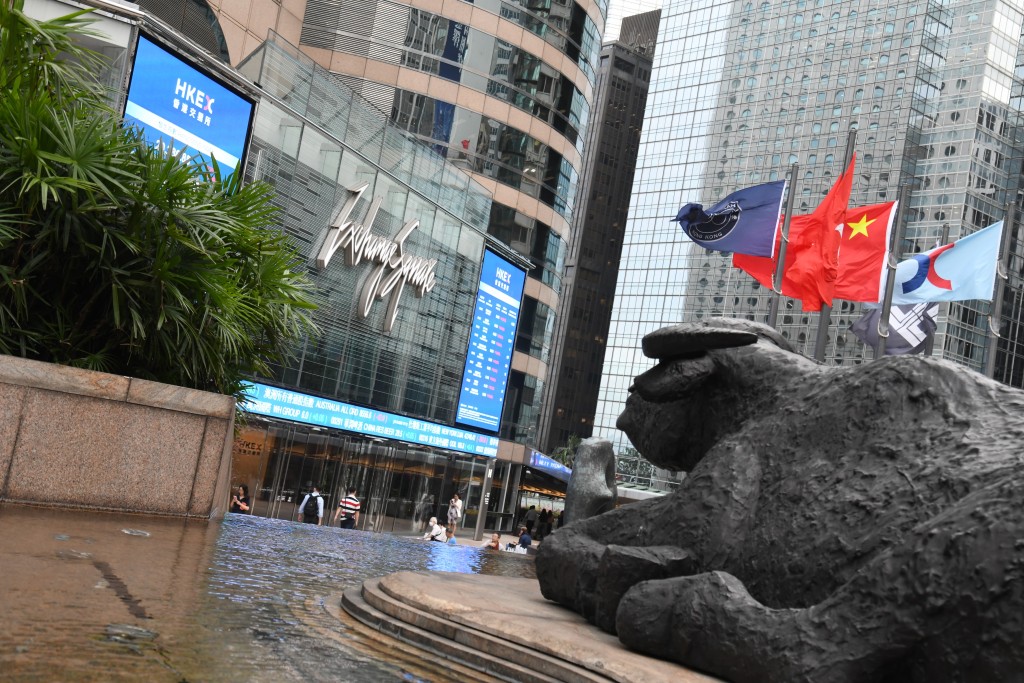
Stuart Rumble, head of investment directing in Asia Pacific at Fidelity International, said that given China's A-share market rose by around 20 percent last year, and the Hang Seng Index has been up by about 30 percent since then. The A-share market "looks appealing and is not fully priced out". He said while some sectors, such as semiconductors, are very expensive, there remain value opportunities, particularly in industrials and healthcare.
Rumble said geopolitical stability, enhanced government policies in tax and technology, and promising corporate earnings will drive international investors into Chinese stocks.
Gloria Leung