Rising stablecoin demand is bolstering the US Treasury market as issuers must maintain 1:1 reserves in cash or Treasury bills, providing crucial support amid weakening traditional demand for US debt.
Unlike Hong Kong, where new rules, effective August, will initially restrict stablecoin backing to HK dollars before expanding to other currencies like the yuan and greenback, USissuers can only use the greenback or Treasury bills – and this gives an unexpected lifeline to the demand for US Treasuries, reported East Week, sister publication of the The Standard.
Stablecoin issuers like Circle are poised to benefit from rising demand for secure, regulated digital assets, as the US moves to tighten oversight. The push includes new rules requiring stablecoins to be fully backed by high-liquidity assets like US dollars and Treasury bills.
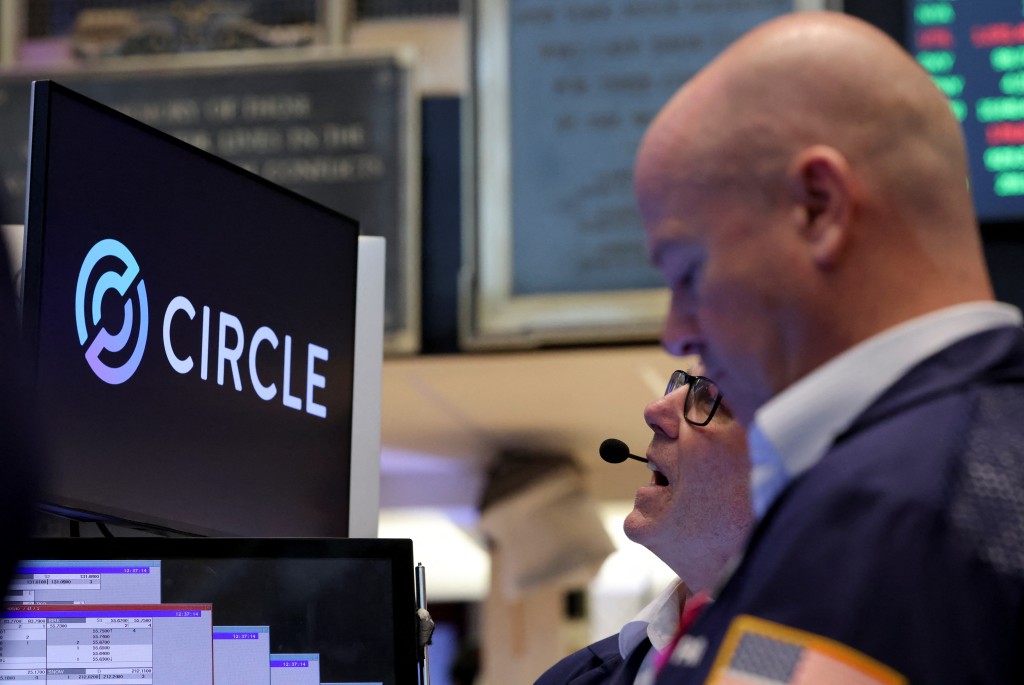
Circle, the issuer behind the world’s second-largest stablecoin USD Coin, saw its shares more than double on debut last Thursday after listing on the New York Stock Exchange—becoming the world’s first publicly traded stablecoin company.
The initial public offering was over 25 times oversubscribed, raising US$1.05 billion (HK$8.19 billion) and valuing Circle at US$8 billion.
The listing came after the US Senate passed the “Guiding and Establishing National Innovation for US Stablecoins Act of 2025” or the Genius Act of 2025, which mandates that stablecoin reserves be held entirely in US dollars or short-term Treasury bills. The law could be finalized by August, with analysts saying it may funnel billions into US debt markets.
Circle has distinguished itself from rivals like Tether USDT by aligning more closely with traditional finance. Though smaller in market cap—USDC holds about US$60 billion versus Tether’s over US$150 billion—Circle’s integration with institutional investors and regulators has been more aggressive. The firm reported a revenue of almost US$1.7 billion in 2024, up 15 percent year-on-year.
Stablecoins, pegged to fiat currencies like the greenback, have surged in usage—from US$20 billion in 2020 to nearly US$250 billion by May 2025. Analysts forecast the market could reach between US$2 trillion and US$3 trillion by 2030, with over 80 percent of stablecoins currently dollar-backed. In 2024, they facilitated over US$27.6 trillion in transactions, surpassing Visa and Mastercard.
The Genius Act aims to stabilize the sector with strict rules. Issuers must maintain 100 percent reserve backing, disclose holdings monthly, and comply with identity verification and anti-money laundering rules. Firms with over US$10 billion in assets, like Circle and Tether, will fall under Federal Reserve oversight. The act effectively bars foreign non-dollar-backed stablecoins from entering the US market.
Despite compliance costs, analysts expect the law to attract institutional investors and encourage legacy financial firms to issue their own stablecoins.
Critics argue the true aim is to reinforce the dollar’s global reserve status and drive demand for Treasuries. US Treasury Secretary Scott Bessent estimated stablecoins could generate up to US$2 trillion in demand for short-term US debt—dwarfing the current US$300 billion held in stablecoin reserves. With Washington’s debt reaching US$36 trillion and foreign demand waning, some analysts see stablecoins emerging as a key financing tool for the US government.
Still, tech giants remain wary. Meta shareholders recently rejected a proposal to invest in Bitcoin as a reserve asset, echoing similar moves by Microsoft and Amazon. Despite stablecoin momentum, institutional caution in the broader digital asset space persists.
STAFF REPORTER