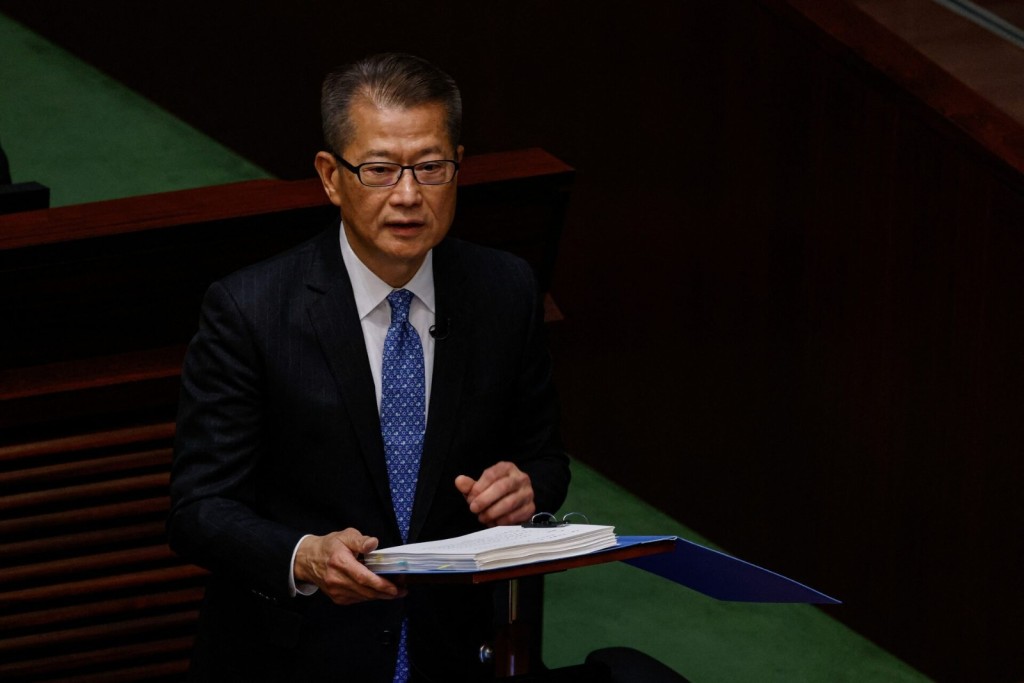
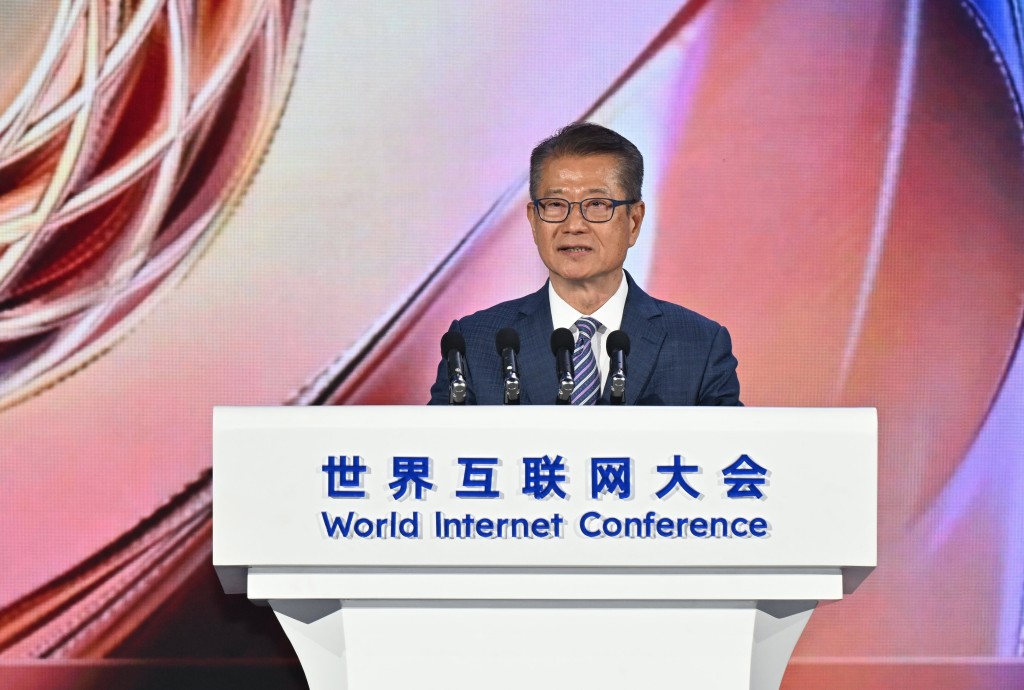
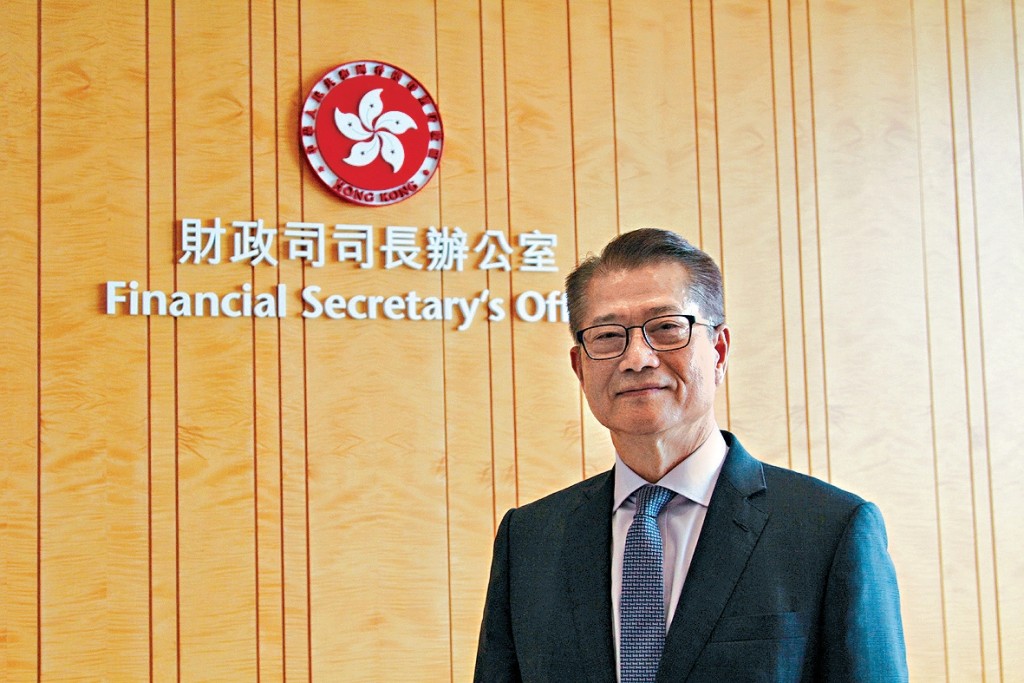
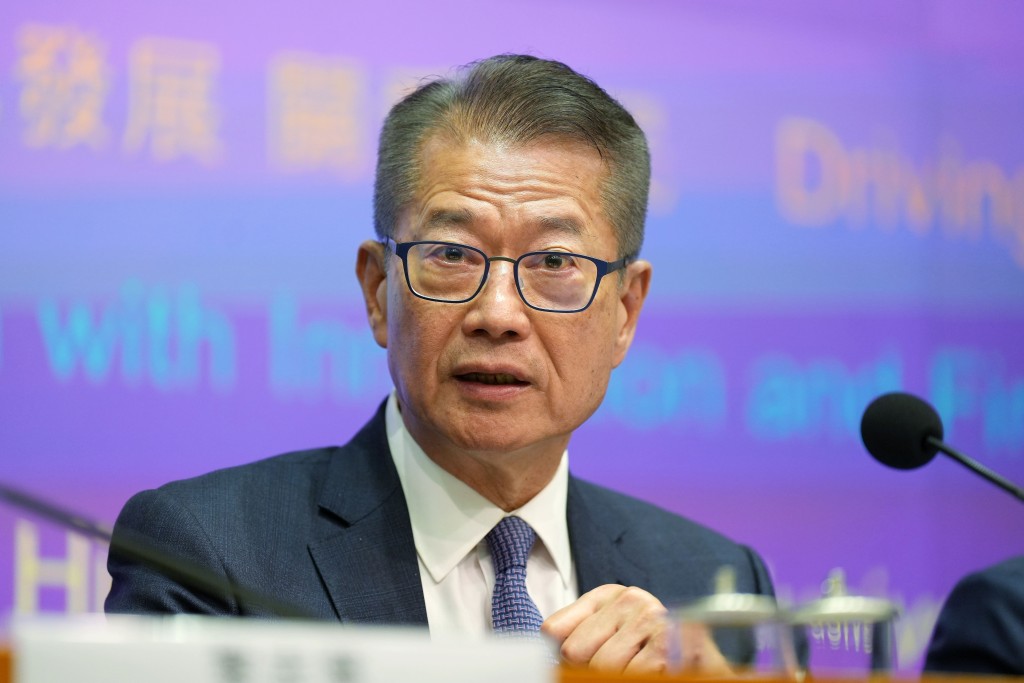
Interest rates in Hong Kong are expected to remain low for some time due to ample liquidity, which could support the property and capital markets and potentially help the government's operating account return to a surplus, says Financial Secretary Paul Chan Mo-po.
Low interest rates are expected to support mortgage borrowers and businesses, but the property market may not rebound as sharply as in the past due to changing supply-demand dynamics and other influencing factors, Chan said on a radio program. He described the current housing market as “stable” in his initial assessment.
The Hong Kong dollar has strengthened in recent days, and the city’s de facto central bank has stepped in repeatedly to buy US dollars, pushing the one-month Hong Kong Interbank Offered Rate to its lowest level in over two and a half years.
The city has projected a HK$67 billion budget deficit for the 2025-26 fiscal year. Chan said the capital account is expected to remain in deficit as the government accelerates development of the Northern Metropolis, with annual infrastructure spending projected to rise from an average of HK$90 billion to HK$120 billion.
Hong Kong’s negative equity cases have surpassed 40,000, but Chan said there is little cause for concern, citing a low mortgage delinquency rate of around 0.11 percent, stable employment, and rising median incomes.
Chan said Hong Kong is unlikely to significantly revise its full-year growth forecast in the near term amid global economic uncertainties, after the economy grew 3.1 percent in the first quarter from a year earlier.
Chan remains optimistic about the city’s financial markets this year, saying that a large number of mainland Chinese firms are lining up to list in the city.
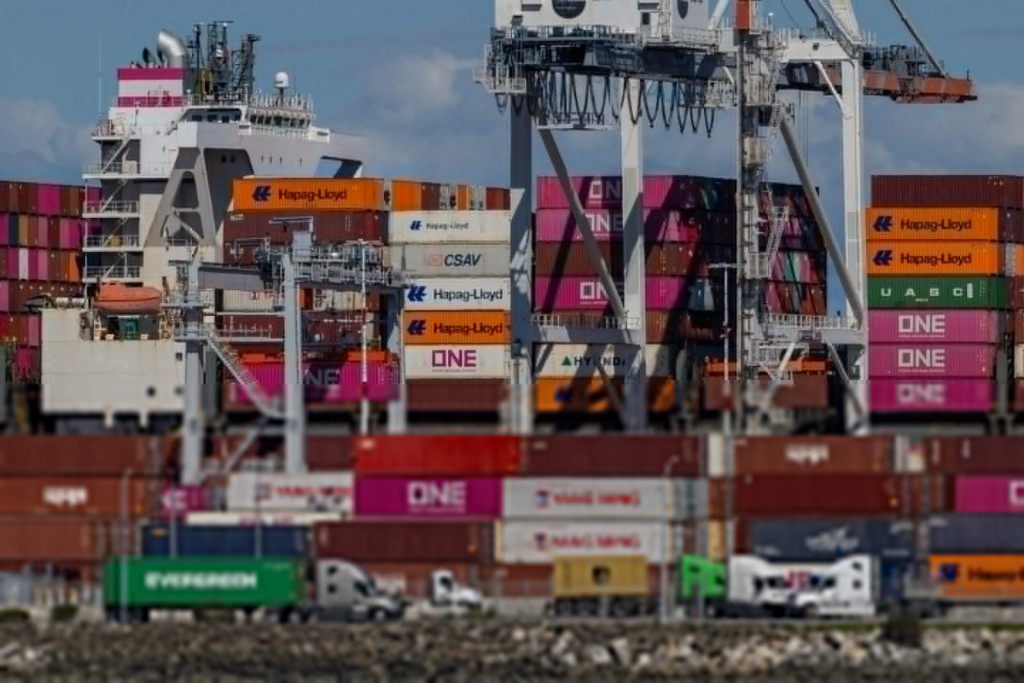
On exports, Chan said first-quarter performance was unusually strong as overseas buyers rushed orders ahead of tariff uncertainties. But he warned that such growth may not be sustained.
To mitigate risks from trade tensions, Hong Kong will need to open new markets, better leverage the mainland economy, and help local firms upgrade and transform, Chan said.