There are three traditional ways of digging a tunnel on land.
The first, the cut and cover tunneling method, builds them like deep trenches.
The land is dug up from ground level to the required depth.
The tunnel box section is then concreted and the void above filled to reinstate the land surface.
This is the easiest way to build a tunnel, but the space above it will be disturbed for a few years.
The MTR tunnel along Nathan Road and many other parts of our city were built this way.
The second, the drill and blast method, is used when a tunnel is going through a place where the geology consists of hard rock.
This method is adapted from mining and quarrying and is achieved through a combination of digging up the softer soil before blasting through hard rock, such as granite, which is quite ubiquitous in Hong Kong.
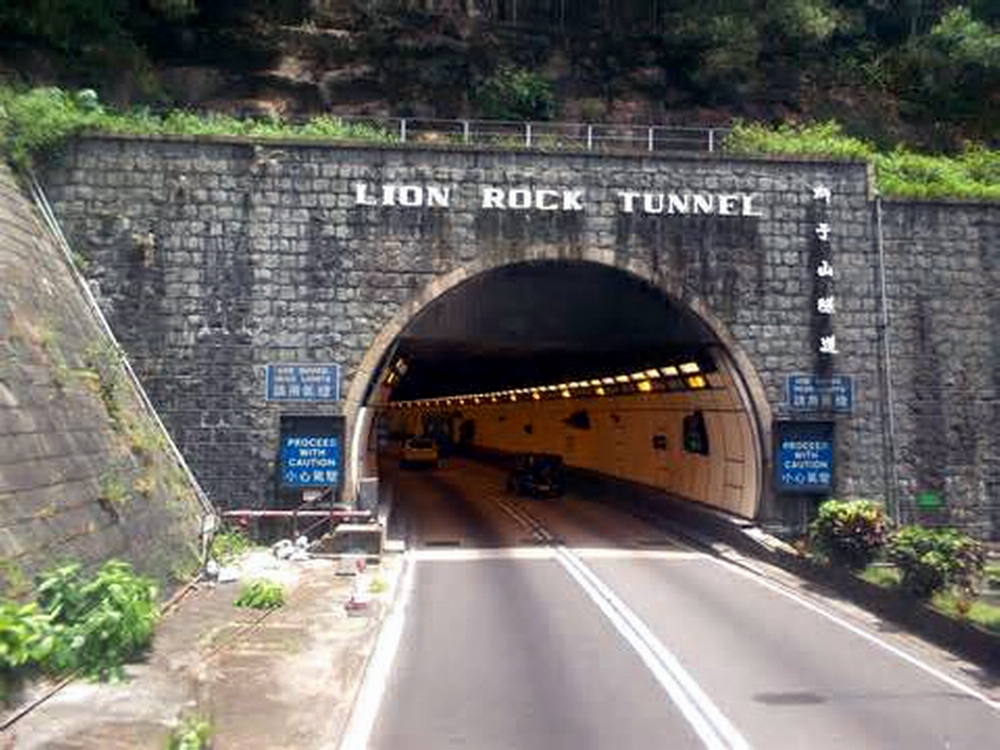
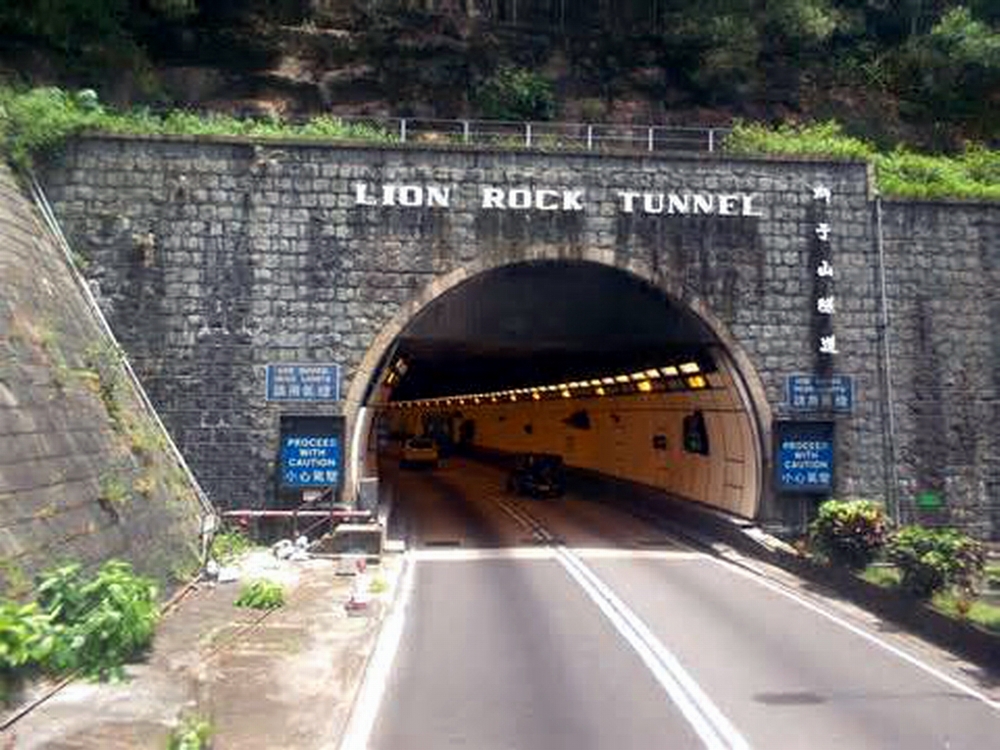
This is a reliable way of constructing tunnels, but it is a slow process and therefore expensive. Lion Rock Tunnel is an example of this type of construction.
The third is a modern method: a tunnel boring machine.
To put it simply, a giant drill is lowered into a pit to the right sublevel to start the drilling process.
This machine is normally custom-built to approximately the diameter needed for the tunnel, and by operating it like an electric drill, it drives forward slowly along the alignment of the tunnel.
As it moves forward, the back end of the machine allows concrete tunnel lining segments to be installed to the tunnel wall to maintain the stability of the finished tunnel.
As these boring machines get larger, they reach their limit when the turning force becomes too big for the electric motor drive.
An improved form is using a multitude of smaller cutting tools in the drill face, forming a matrix to allow an adequate turning and cutting force to bear on the rock surface.
It also allows inspection probes to be fitted to check the conditions of the rock and soil in advance so that appropriate drill bits and drilling speeds can be applied for better efficiency.
Most of the rock tunnels for our road and railway tunnels on land are now constructed through this method.
It offers minimal disturbance to the land and buildings on the ground level.
The only snag is the high initial costs of the machines, so they are mainly used for constructing tunnels of certain lengths, unless the same machine can be used for consecutive tunnels of a similar size.
The use of rectangular boring machines is an even more recent development.
Rectangular tunnel sections are more effective for road transport, as underground highways these days can be up to three lanes wide in each direction.
To construct a tunnel to allow this breadth of highway requires the removal of a lot of soil and rock, and if a circular section is used, the resulting height becomes a needless expense.
The drawback of such a machine is that it will have to be custom made and is therefore only economically viable when the machine can be used repeatedly.
The insatiable desire of engineers to innovate and continuously improve has helped build a more efficient infrastructure for our city.
We hope to see them develop newer and more effective tools in the future.
Veteran engineer Edmund Leung Kwong-ho casts an expert eye over Hong Kong's iconic infrastructure