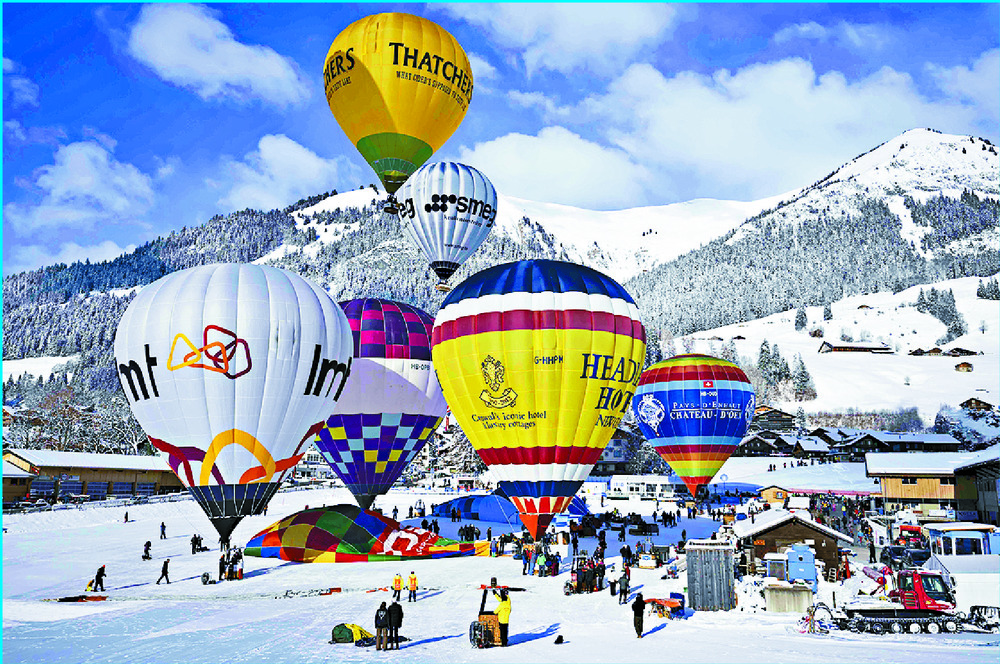
Continuing my theme of flying objects, there are many other flying objects that roam our skies. The most common of all is the hot-air balloon.
They are used by tourists in some countries as they provide an aerial view of the scenery, perfect for seeing pyramids and other ancient structures. They are also simple to maintain and inexpensive to operate.
The operating principles are simple. A fabric membrane of reversed teardrop shape with an open base at the narrow end, constructed from nylon or polyester, is coated to protect it from ultra-violet light deterioration. It is often in bright colors for decoration.
Beneath the balloon is hung a wicker basket or a gondola. The wicker basket is light and is shock-absorbing when the balloon returns to ground. The carrying capacity could be from three to five persons up to about 20.
Buoyancy forces that provide lift come from hot air. Air density reduces with increasing temperature and by heating air and trapping them in the balloon, it provides a lift force to help the balloon to rise to the skies.
Liquid propane, stored in the basket, provides the fuel for heating up air, which is then directed toward the bottom end of the balloon. The small opening at the bottom of the reversed teardrop-shaped membrane allows accurate delivery of hot air into the balloon. The captain, by metering the propane fire, can control the rising speed of the balloon assembly.
Once it reaches the desired height, hot air is bled off through a vent at the top. By controlling the amount of hot air entering the balloon and letting off air at the top, the altitude of the balloon can be controlled accurately.
Side vents allow the balloon to rotate so that the occupants can see the scenery all around without needing to move about in the wicker basket, enhancing the safety of the flight.
Direction is generally controlled by following the wind direction, but as there is no engine, change in direction is achieved by raising or lowering the altitude of the balloon, as wind direction generally varies with different layers in the atmosphere.
But it will not have accurate control like a motor vehicle on land and therefore such devices are best used in areas where there is extensive flat terrain such as a desert or a flood plain.
When the balloon needs to return to ground, the large top vent, called the parachute vent, opens gradually and the balloon begins to collapse. When well controlled, the balloon gently falls back to the ground, and guide ropes hanging from the side of the basket allow assistants to pull it smoothly and upright to land.
As they do not provide very accurate positioning and landing, hot-air balloons are not suitable for commuter transport.
There have been a few cases of accidents but these are isolated, involving faulty equipment or inexperienced balloon captains. In general, hot-air balloons provide a convenient transport for tourists.
There are many types of flying objects for various purposes. They fly at different altitudes and vary from the simple weather balloons, airships for advertising purposes and hot-air balloons to airplanes. Each is generally safe for our use.
Veteran engineer Edmund Leung Kwong-ho casts an expert eye over Hong Kong's iconic infrastructure
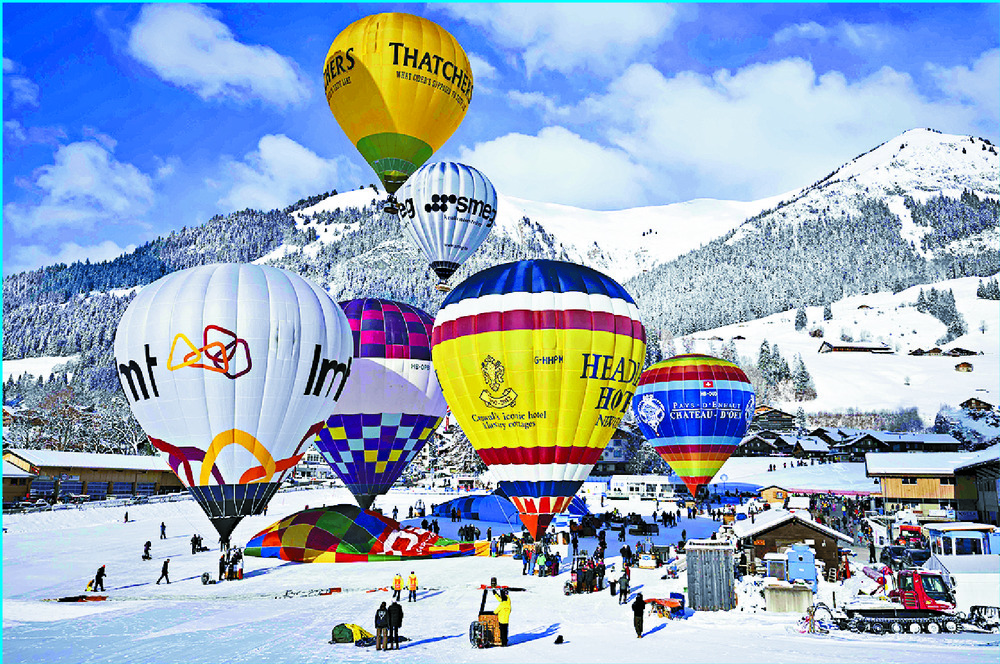
Hot-air balloons are used commonly by tourists as they provide an aerial view of the scenery. AP