Since Hollywood sex abuse revelations ignited the #MeToo movement five years ago demand for on-set "intimacy coordinators" has soared. But a fear of saying "no" to sex scenes are deeply rooted in show business.
A fledgling industry of professionals who choreograph intimate scenes, provide gear to safeguard actors' privates and discuss consent with filmmakers has grown rapidly since a 2017 investigation into Harvey Weinstein forced a wider reckoning.
"It has been an amazing difference in that when it was first introduced there was a lot of resistance," says Claire Warden, a New York-based intimacy coordinator.
She estimates around 60-80 experts now work on sets. She is with Intimacy Directors and Coordinators to train more.
"After years of yelling into the void and pushing as hard as we could in the industry to educate," the industry has started listening, she adds.
Before 2017, intimacy directors existed primarily in theater and were absent in film and television. Actors were often reliant on wardrobe departments to improvise "modesty garments" to cover genitalia in nude scenes.
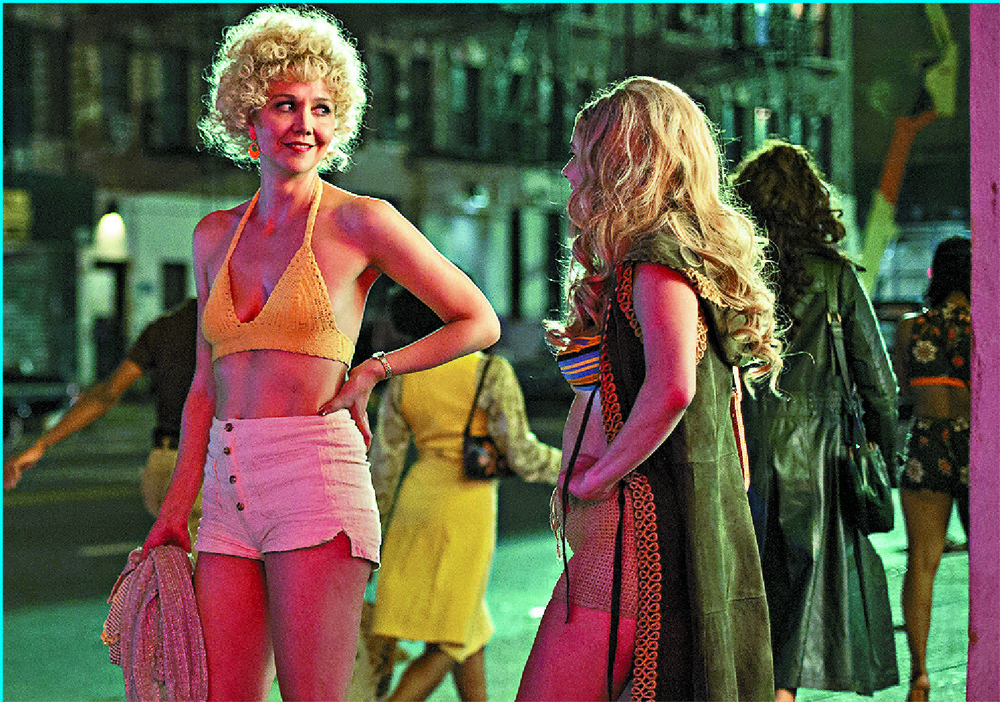
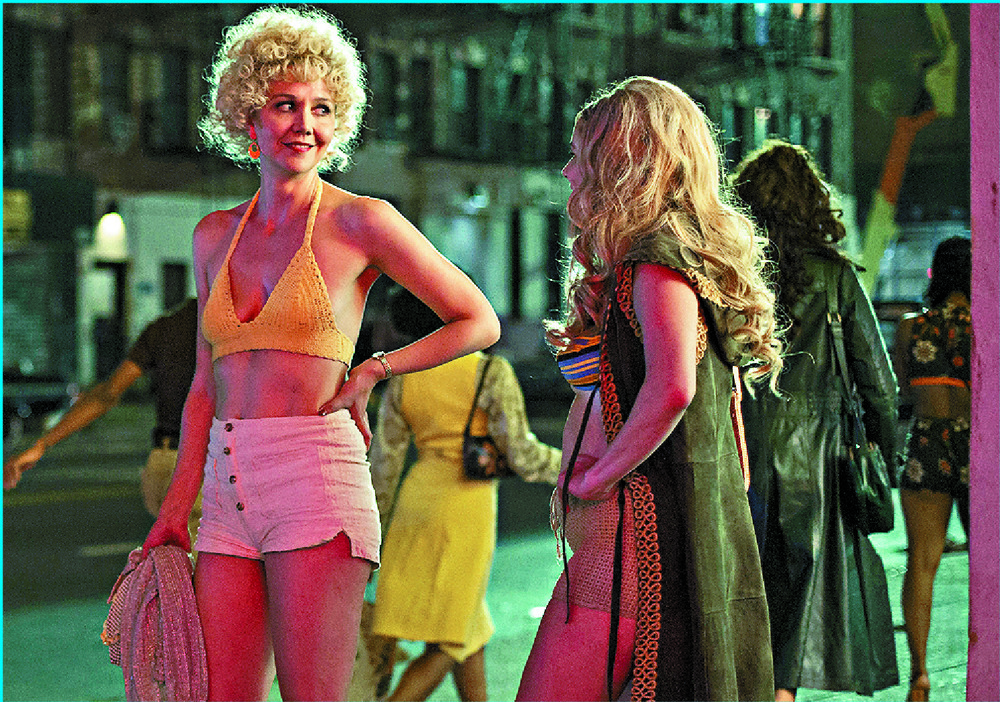
One of the first major shifts came from HBO, which in the aftermath of the Weinstein allegations put an intimacy expert on the set of The Deuce - an explicit show about the porn industry during the 1970s. Now the network requires intimacy coordinators on all its shows.
And at specialized equipment companies, strapless thongs, padded pouches, silicone "barriers" and body tapes in various skin tones are on offer.
In a recent Variety interview, 25-year-old Euphoria star Sydney Sweeney said she has "never felt uncomfortable" thanks to the constant presence of intimacy coordinators.
"It's a very safe environment," she said. "I'm very fortunate I'm coming up during a time where there is so much thought in this process. Even if you have agreed to something they ask you on the day, 'Did you change your mind? Because you can.' It's really nice."
Like Warden, others in the industry say progress on consent is long overdue, but not all welcome it.
In the same Variety interview, Yellowjackets actor Christina Ricci, 42, revealed she informed a movie set she was uncomfortable with an intimate scene, and "they threatened to sue me if I didn't do it."
Warden says: "It's not that actors suddenly started speaking up in 2017. We've been speaking for ages, just no one was listening."
Actors are often taught to ignore or forgo their right to consent and that "no" is a "dangerous" word, she says.
"We are conditioned ... that you won't get jobs, that no one will work with you."
Intimacy coordinators also say they are still overcoming fears their presence could stifle creativity or expose cast and crew to the perils of "cancel culture."
Jessica Steinrock, who has amassed half a million followers discussing intimacy coordinator work on TikTok, says: "Because of the historical backdrop of Harvey Weinstein a lot of people were afraid they were perceived as predators."
Changes in the last few years have been painful for many, she adds, "but really rewarding overall."
Still, there are high-profile holdouts. Earlier this year, actor Frank Langella was fired from Netflix's The Fall of the House of Usher for alleged bad conduct on set including sexual harassment of an actress.
In a column for Deadline, he blasted an intimacy coordinator's instructions about where he could touch the actress on a leg during an intimate scene as "absurd" and "ludicrous" that "undermines instinct and spontaneity."
But for Warden, from reading that column "it is clear his resistance does not come from a lack of understanding. It comes from a lack of willingness to consider other people's consent. That comes from a toxic sense of entitlement."
And Steinrock says intimacy coordinators alone cannot solve the type of harassment illustrated by Weinstein, whose abuses did not generally occur on film sets.
"The way we treat scenes of intimacy is going to have ripple effects in every other way, about how we talk consensually, how we prepare for things, how actors see their own bodily autonomy," she says. "But it's important that we don't treat intimacy coordinators as a panacea for all of the power and harassment and abuse of power that's happened in the entertainment industry over the last century."
AGENCE FRANCE-PRESSE
HBO's The Deuce was among the first shows to put an intimacy expert on the set. AFP
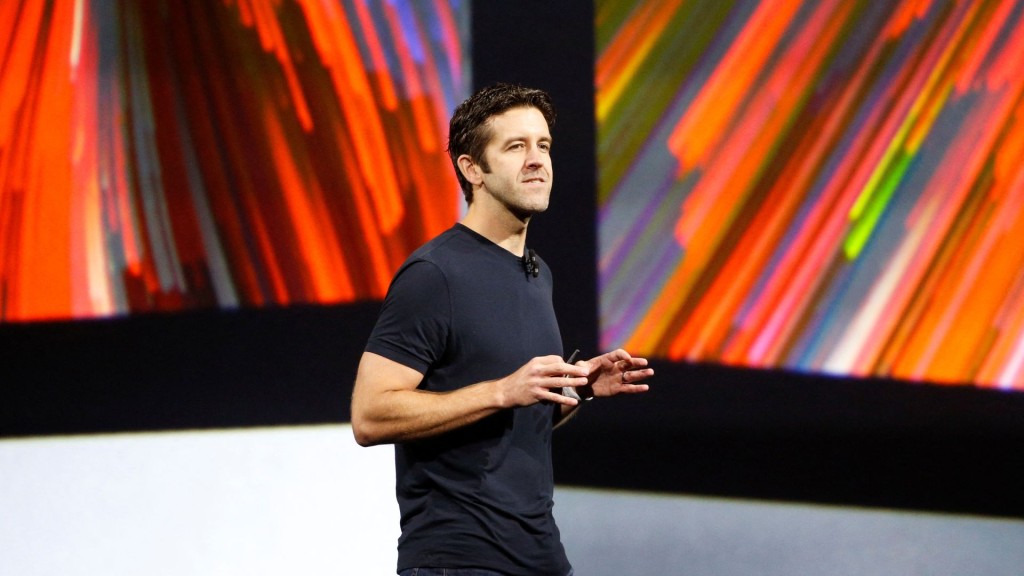
Sydney Sweeney hails the 'very safe environment.' AFP