Gas is a convenient and cost-competitive fuel used by many commercial and residential users. But some people may have some misguided safety concerns based on long-past experiences.
Indeed, the risks of explosion and toxic poisoning had been in our memory for years, but with far better management and modern technology, it is no longer the unsafe gas we once remembered.
What previously caused town gas to be toxic was the large proportion of carbon monoxide in its mixture.
With a new production process and different feedstock aimed at enhancing safety and combustion efficiency, the proportion of carbon monoxide in gas is now very small, at less than 3 percent.
Although a distinctive pungent odor is still added to the gas to assist leak detection, it is now no longer regarded as toxic, and inhaling it even in significant quantities will not cause serious danger.
The present mix includes some 50 percent of hydrogen, which is a clean combustible gas but not poisonous.
In a future hydrogen-based economy, it is possible to use town gas as a source of hydrogen supply, especially as there is already an established piping network to distribute it to a variety of locations.
The risk of leakages causing fires may still be a concern in the transmission and distribution network, but this is generally controlled by system improvements.
Grey cast iron piping, traditionally used to transmit gas, has all been replaced by ductile iron or polyethylene piping.
That eliminates the weakness in the brittle nature of cast iron, which can cause breakages from soil subsidence, traffic loading, vibration or undue external forces. The new materials, especially polyethylene piping, though costing more, have far better mechanical properties and are much more ductile and durable.
However, this is not the complete answer to total safety.
For steel pipes, any damage to the surface coating may cause the external corrosion protection coating to fail. Should, unfortunately, a pipe be installed close to a sewer, prolonged exposure to sewage leakages can cause accelerated corrosion. The resulting failure could lead to gas leakages into broken sewers and nearby telecom cable ducts.
For a crowded city like ours, the underground system is a maze of connected ducting, serving telecom, power, gas and sewerage.
Although by design, gas pipes are segregated from power and telecom cable ducts, any inadequacies in sealing off such ducting may allow gas, generated from sewerage or through gas pipe leakage, to cause a fire and an explosion.
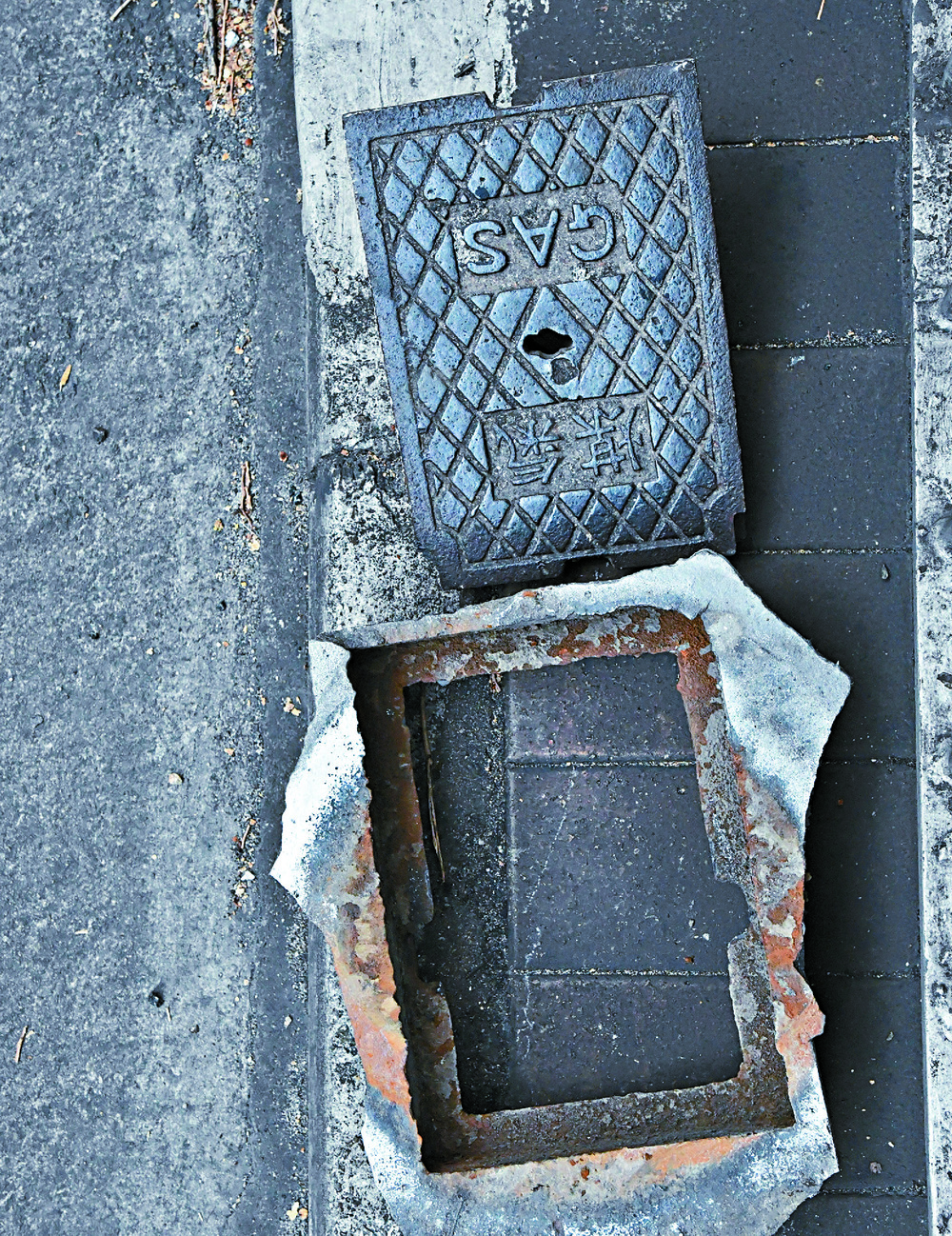
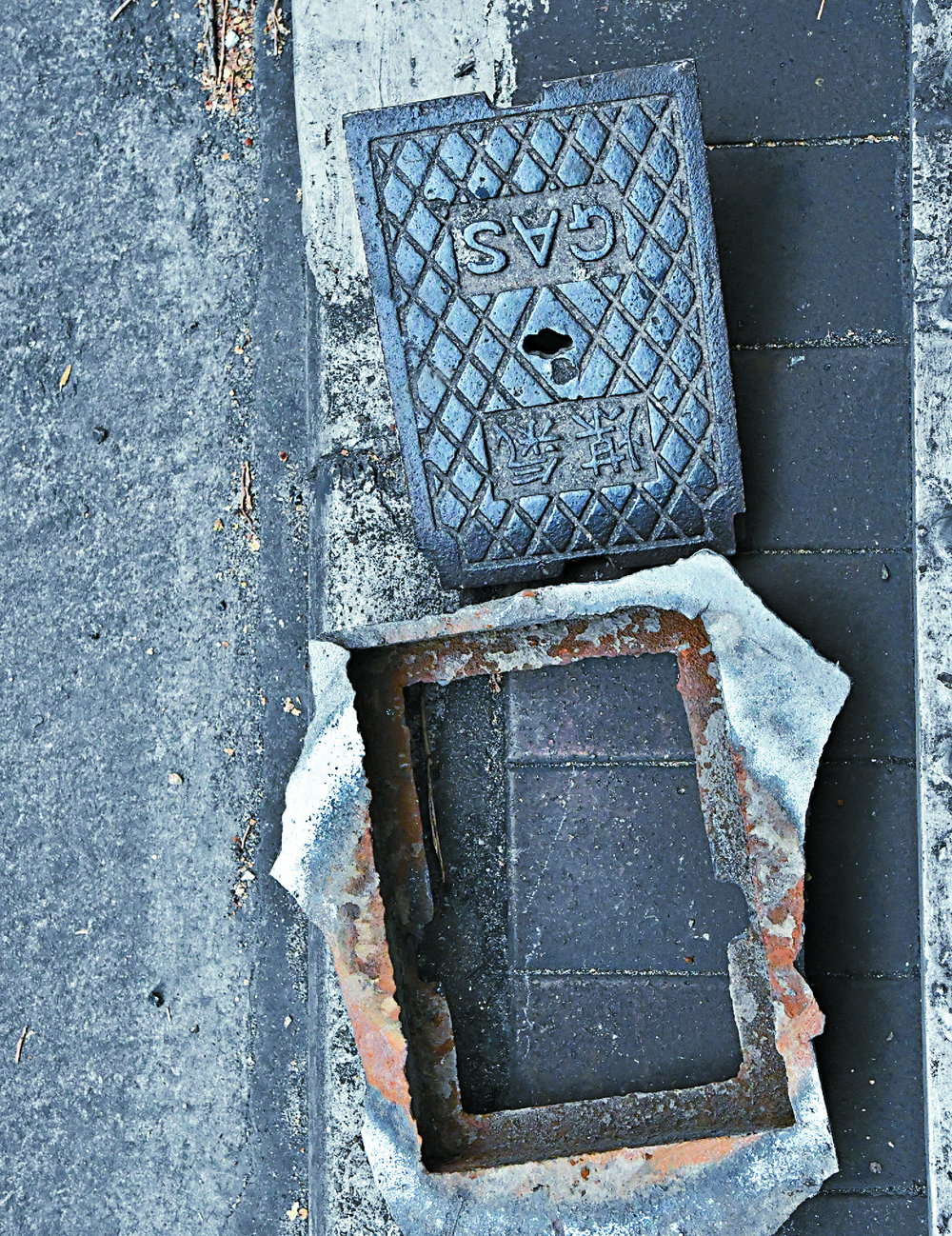
We have experienced a few isolated cases where gas explosions have occurred, blowing up manhole covers, resulting in unfortunate fatal accidents.
To eliminate such risks, the most effective means would be to seal off cable ducts from adjoining manholes, following best international practices.
The Office of Communications Authority has published new guidelines requiring telecom ducts to have their duct entries sealed and manhole covers drilled with vent holes. With these appropriate measures, no further cases of gas explosion in underground telecom ducts had occurred in recent years.
Towngas, in its quest to ensure a high level of safety, has thoroughly inspected and sealed up all cable ducts of its subsidiary Towngas Telecom to ensure total safety.
The safety of consumers is vital to public utilities, and we need a continuous improvement plan to enhance safety to a very high level comparable or better than most cities in developed countries.
Veteran engineer Edmund Leung Kwong-ho casts an expert eye over Hong Kong's iconic infrastructure
Emergency personnel cordon off a gas vent after its cover was blown off in Wan Chai in April.