Read More
Diversity and inclusion are often discussed in reports and policy papers, but every so often an event brings these ideas to life in a way that feels immediate and real. For me, that moment came at a recent symposium on women’s leadership in law.
ADVERTISEMENT
SCROLL TO CONTINUE WITH CONTENT
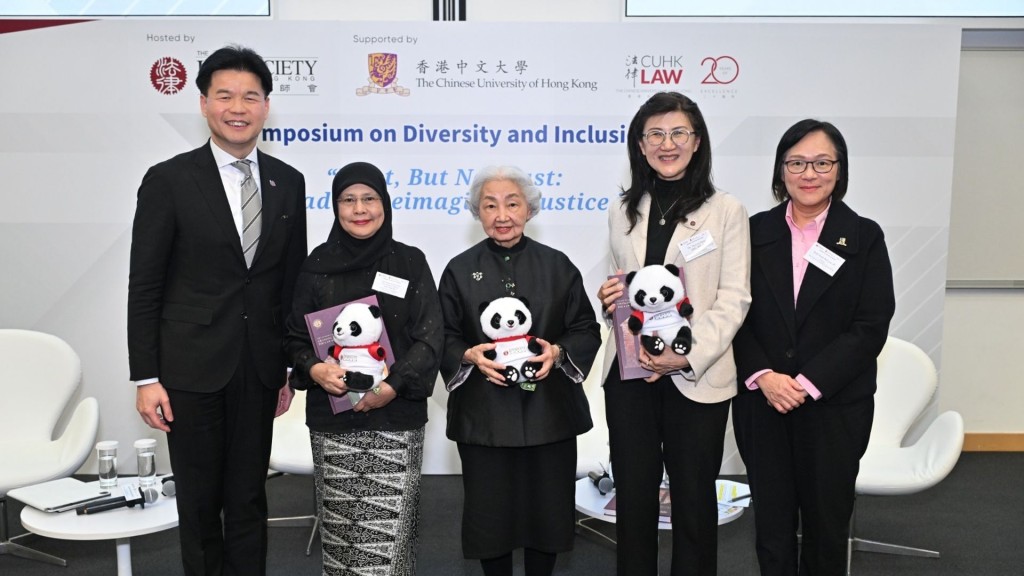
In January, the Law Society hosted the “First, But Not Last: Women Leaders Reimagining Justice in Asia” symposium. On stage were three trailblazers who had each broken new ground: Malaysia’s first female Chief Justice; Hong Kong’s first female Secretary for Justice; and the first female President of The Law Society of Hong Kong. Their titles were impressive, but what truly resonated was how candid they were about the weight of leadership.
They spoke openly about making difficult decisions under intense public scrutiny, about moments of doubt, and about the responsibility that comes with being the first. Yet one message was consistent throughout the evening: values matter. Commitment to the rule of law, independence of institutions, and service to society were non-negotiable, even when circumstances were challenging.
The audience included students, young professionals, and experienced members of the community. You could feel the attention in the room. This was not just a conversation for lawyers; it was a reminder that leadership shapes trust, and trust is something every society depends on.
Why does diversity and inclusion matter to the wider public? Because institutions work best when they reflect the people they serve. Leadership that draws from different experiences and perspectives is more likely to understand real world concerns. Representation makes institutions feel more human and more credible, especially in a city as diverse as Hong Kong.
The legal profession has made progress. Among solicitors, women now account for more than half of those holding practicing certificates. This is a significant milestone. But inclusion is about more than numbers. It is reflected in who gets opportunities, whose voices are heard, and whether talent is allowed to grow without invisible barriers.
What stayed with me the most was the response of the younger audience. Seeing leaders who looked like them was quietly powerful. It sent a clear message that leadership is possible, and that integrity still counts.
Diversity and inclusion are not fashionable slogans. They are foundations of fairness, credibility, and confidence in our future. When we invest in inclusive leadership today, we strengthen the institutions that society relies on tomorrow. That is why this conversation matters, and why it must continue.
Roden Tong is President of The Law Society of Hong Kong