Unchaperoned teens, gay partners and sex workers are the stuff of fictional characters in an envisaged new curriculum for Myanmar schools, and they have caused a real-world tussle over morality in the conservative nation.
In Myanmar, sex out of wedlock is illegal, teenage dating is frowned upon by elders and same-sex relations are still officially illegal. And new thinking on sex education is needed urgently, activists said.
Nearly 8,000 people died in 2018 from AIDS-related diseases, the country has the second-highest maternal death rate in Asia after Afghanistan, and women's rights group Ipas estimates around a quarter of a million unsafe abortions are undertaken every year.
Sex education for teenagers has only featured since 2016 when the new government of Aung San Suu Kyi acted on a vow to overhaul the country's outdated curriculum. But embarrassed teachers often sideline a subject that should tackle everything from menstruation and contraception to sexually-transmitted diseases.
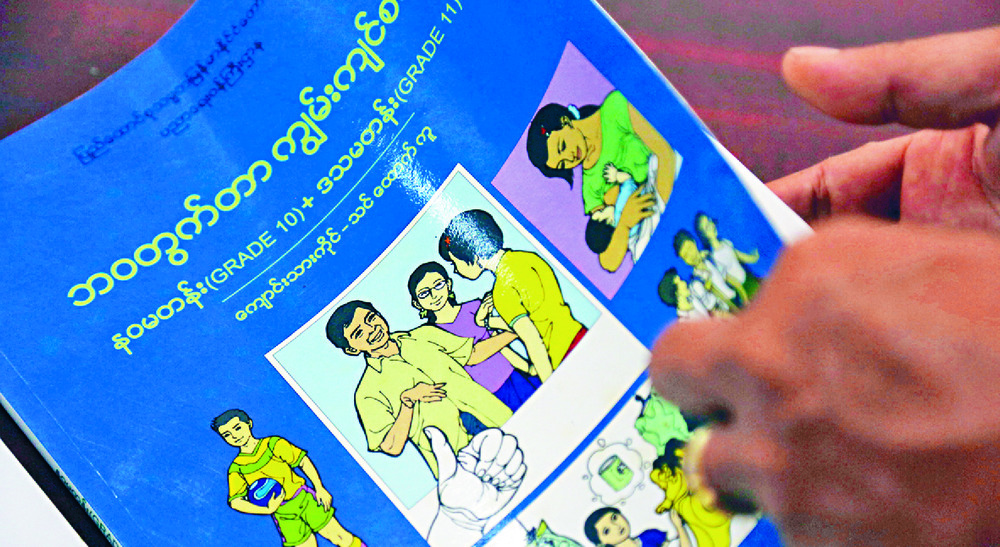
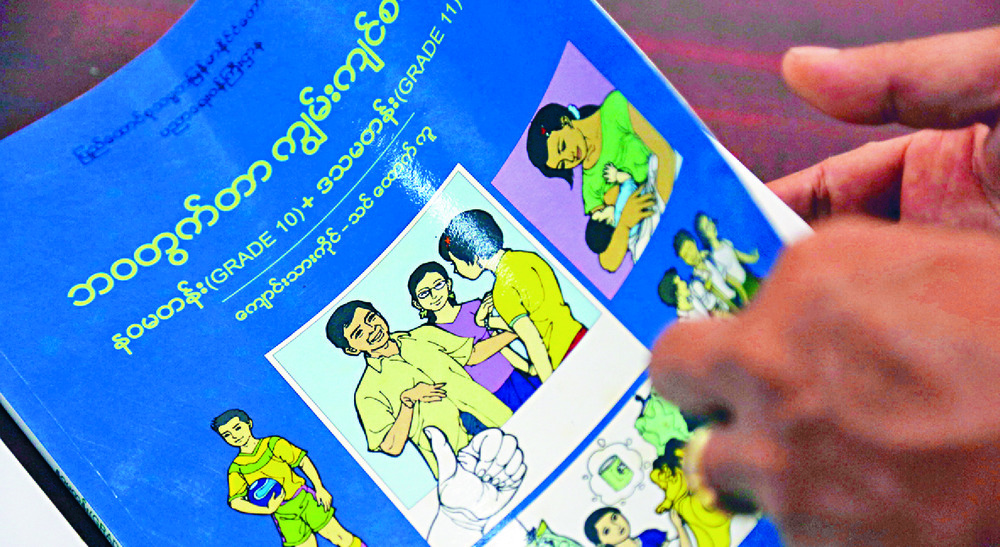
A new textbook that was earmarked for the coming academic year that starts this month included scenarios such as teenage intimacy over homework, a gay couple whose condom breaks and a customer at a karaoke bar offering a waitress money for sex.
Conservatives in the Buddhist-majority country were outraged by it.
"Is this a school textbook or porno?" wrote Facebook user Aung Pho Min next to photos of case studies aimed at 16- and 17-year-olds, triggering an online debate.
Monk Ashin Agga Dhama, once a member of the now-banned hardline Buddhist group MaBaTha, waded in, branding the book "filth."
The ensuing online tit-for-tat has seen a young doctor, who accused the clergy of hypocrisy, attacked by a mob and then imprisoned for 21 months for insulting Buddhism.
After "hearing the public's voice," the government announced it would review the curriculum. So for now all sex ed is shelved.
Tensions between conservatives and those open to new ideas have increased since the country started transitioning to democracy in 2010, said Rosalie Metro of the University of Missouri-Columbia.
The curriculum has always been a place where "ideological struggle" plays out, added Metro, who has studied education in Myanmar for 20 years.
And many recent online comments questioned whether the controversy had a political motive.
The Facebook account of Aung Phyo Min, a man who sparked the row, describes him as a member of the military-backed Union Solidarity and Development Party opposition party.
Elections in November will likely return Suu Kyi's ruling National League for Democracy to power, but the USDP aims to take a chunk from her majority.
So it was quick to jump on the sex-ed debate, condemning the classes as encouragement for premarital sex, child rape and the "arousal of sexual desire" among youngsters.
Ministry of education officials rejected such ideas, saying the curriculum had children's rights and interests at its core and has been designed with expert advice.
All the teenagers AFP spoke to gave a resounding thumbs up to sex education classes, admitting they relied largely on Facebook and friends for information.
"I've only read about it online so it would be really useful," said 16-year-old Yoon Shwe Bhon.
Aye Myat Thandar, 14, agreed, saying she knew "underage people already having sex."
Women usually have the most to lose.
An unplanned pregnancy for a single female can be devastating. They are often shunned by their family and community, with little hope of paternal support.
"Anyone who objects to these classes doesn't live in reality," said NLD MP and campaigner Phyu Phyu Thin.
The cover of a Life Skills sex education textbook for the coming academic year in Yangon. AFP