Read More


Powering Hong Kong’s data-driven future | Nuts and Bolts | Edmund Leung
16-09-2026 00:05 HKT

Standards on moving ground | Human Reinvented | Frank Ng & Ryan Ng
15-09-2026 01:59 HKT



Remember the days when your pockets were weighed down by coins, purses, wallets and wads of cash?
If you're old enough you will but if you're young chances are you won't. I myself haven't carried a wallet for years and my pockets rarely contain any coins.
In the mainland, which used to boast the world's biggest cash economy, the sight of cash is nowadays a very rare event indeed.
Even beggars eagerly accept digital alms. It's reaching the stage where mainlanders dislike cash and wouldn't know what to do with it.
But in this rush to a digital world are we losing more than we gain? Are we, in a sensepoorer for it?
For thousands of years, all over the world, cash has played a big role in nationhood. Roman emperors placed their faces on gold and silver coins, not just in vanity, but as a means of promoting their, and the empire's, authority. Roman coins may have been small but were very influential works of art, so much so that each emperor could be easily recognized from their likeness on coinage.
In China, instead of portraits, it was the choice of calligraphy that mattered most.
In 13th-century China, when an emperor issued new coins, he chose to stamp them with a script known as kaishu that had been created by master calligrapher Lu Xiuyan hundreds of years earlier during the Tang dynasty.
Kaishu was selected for its boldness, artistic beauty, and because it represented authority and continuity.
Readers who have visited Xi'an may well have seen the famous Tang-era stele carved in an early version of kaishu.
So it was that calligraphic art on coinage was intended to enhance respect and trust as well as symbolizing imperial power and social cohesion.
There's no denying that digital money is incredibly convenient and its onward march is no doubt unstoppable.
The problem, though, is that digital money has little, if any, artistic value because it is invisible. The official representation of a Bitcoin is merely an ugly medallion that resembles a casino chip.
Of course, creative artists have often exploited the opportunity to make money out of art.
Andy Warhol's huge 1960s artwork of a dollar sign was such an instant success that it was immediately worth much more than any coin or banknote.
Cheekily, he added to the artwork the words: "Making money is art and working is art and good business is the best art."
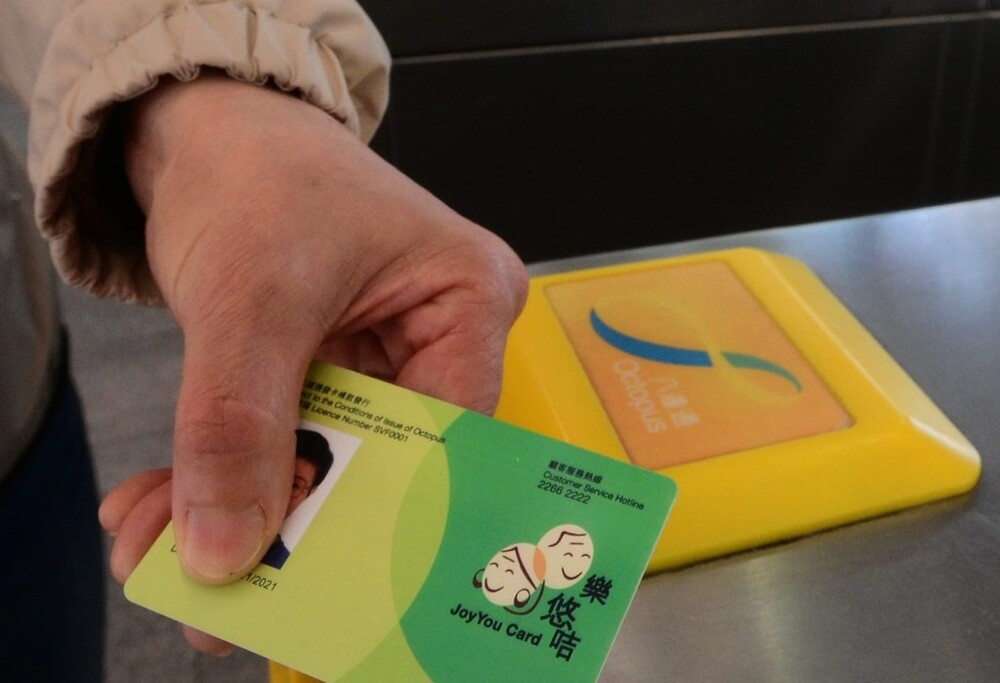
Blockchains, digital wallets, simple chip-and-pin debit cards and stored value cards like our ubiquitous Octopus card are technologies that imperil cash but are artistically worthless.
Wouldn't it be wonderful if Octopus cards became valuable works of art and collectables?
MTR Corp needs to commission a 21st-century equivalent of Andy Warhol to transform the Octopus card into a work of art.
Another thought is what will heads of state do when their faces no longer adorn coins and notes?
Mao Zedong's portrait must have been reproduced billions, perhaps trillions, of times, especially on yuan notes but today's children, especially those in China, will probably never use cash in their lifetimes and so will see much less of Mao.
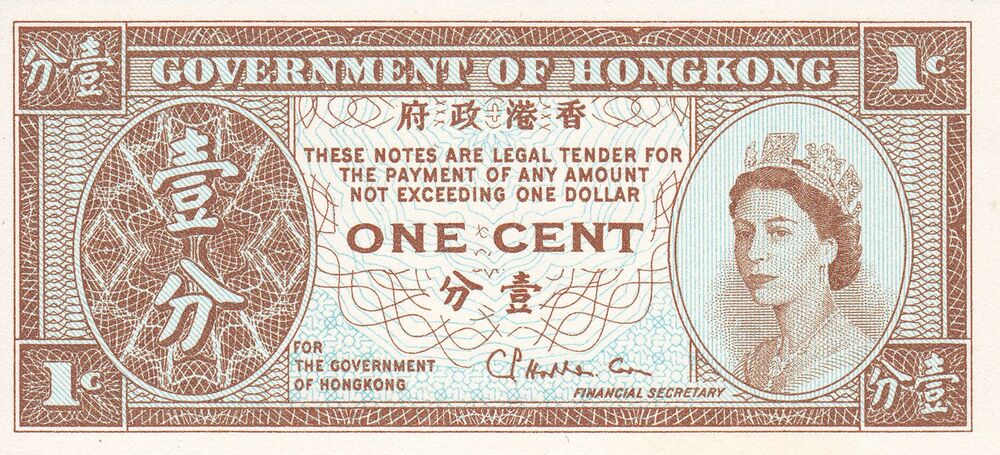
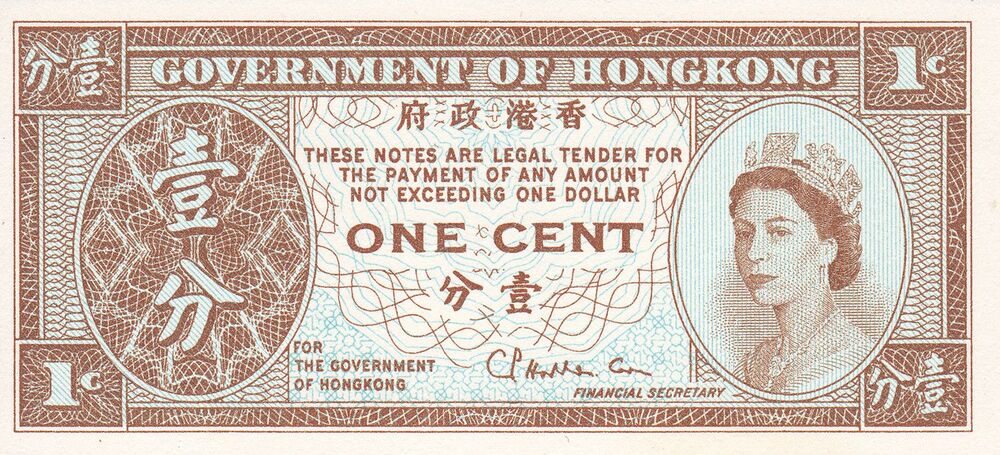
For nearly 70 years Britain's Queen Elizabeth II has appeared on 33 currencies and more than 300 billion postage stamps.
Her face was said to be the best known in the world. Yet because of an administrative quirk of officialdom in Hong Kong, the queen only appeared on the one-cent banknote issued by the government but not on notes issued by banks. Without coins, stamps and notes will future citizens struggle to recognize or remember their heads of state in our brave new digital world?
Coins, especially the solid gold variety, were also adopted into the Tibetan Buddhist pantheon.
Kubera, the god of wealth and prosperity, is often portrayed holding a purse in his left hand in the shape of a mongoose that vomits gold coins. In the digital future a mongoose that vomits Octopus cards or Bitcoins is unlikely to command as much respect.
Cheng Huan is an author and a senior counsel who practices in Hong Kong
(Material from the Ashmolean Museum, University of Oxford, helped in the writing of this column)