Read More









Tea first, contracts later | Jon the Port | Jonathan Lamport
08-10-2026 03:45 HKT


Bleeding gums: a warning you can't afford to ignore | Dr Eric Chan
07-10-2026 05:10 HKT



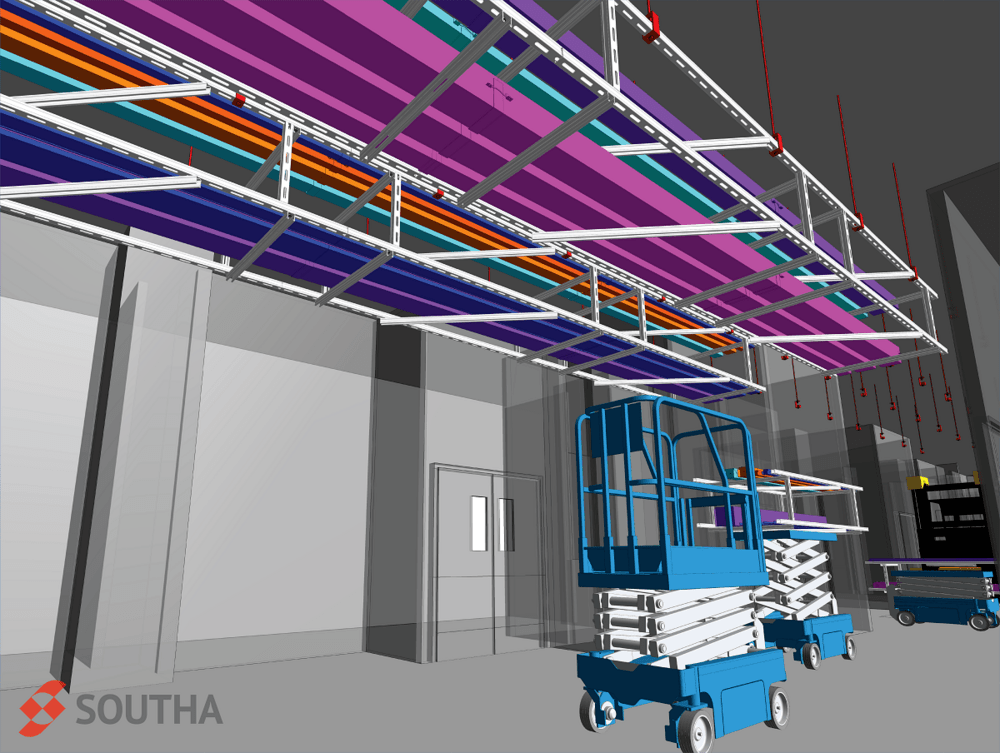
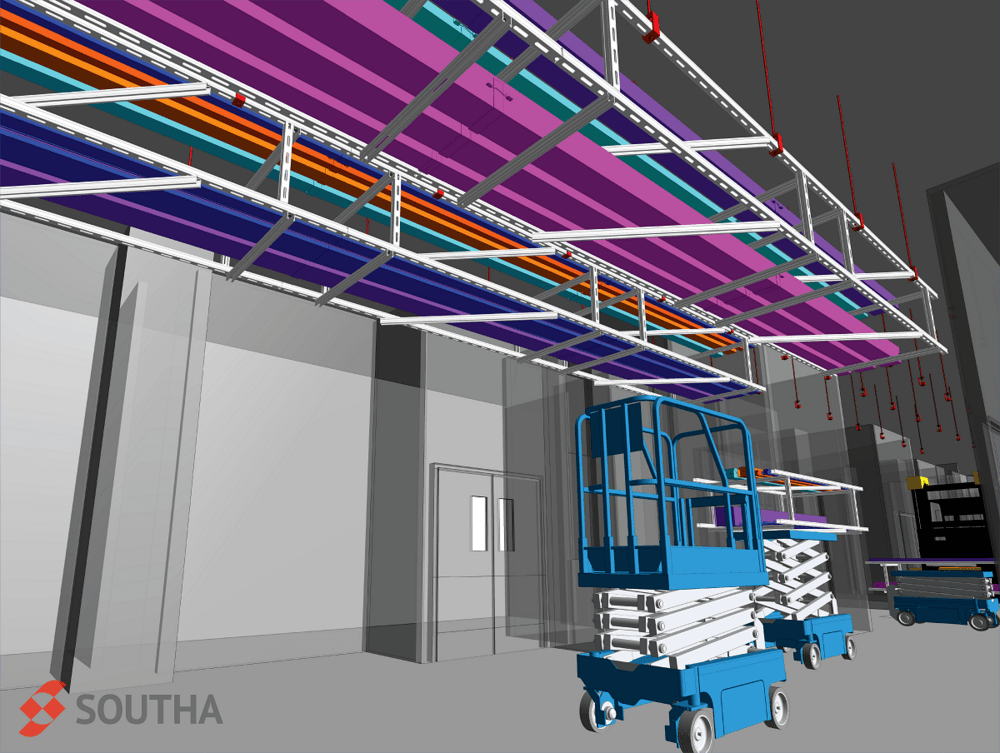
I was privileged to be invited to a DfMA & MiMEP webinar forum last week, organized by the Hong Kong Federation of Electrical and Mechanical Contractors Association in collaboration with the Construction Industry Council, and was able to learn of the success of the modular construction of electrical, mechanical and plumbing equipment for buildings and facilities.
Let me first explain what these acronyms stand for. DfMA is design for manufacture and assembly and MiMEP is modular integrated mechanical, electrical and plumbing services. In a previous article, I explained that DfMA made big strides toward building hospitals in Hong Kong.
Modular construction for buildings has been proven to save time and costs, but its limitation is the inability to fit various building services to the building after assembly. If not planned carefully, the time saved can easily be negated by the time taken to install piping, wiring and equipment after the modular building is joined on site.
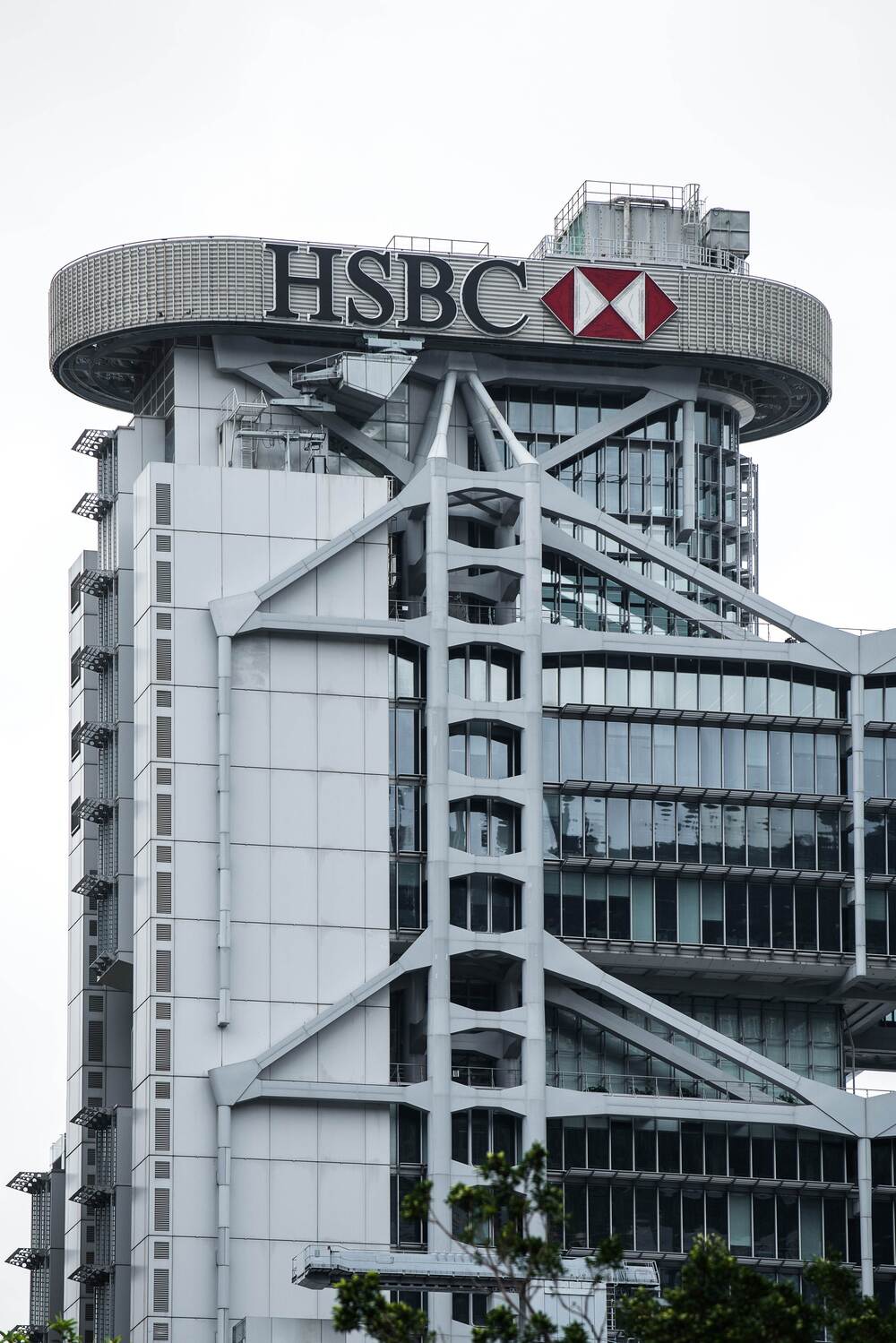
The key is to design air-conditioning, plumbing and fire systems so that they can be fitted in each module with minimal external connections. The application of this technology is not new - we can trace its success back to the HSBC headquarters building, completed in the mid-1980s. The landmark serves as a milestone of such technology, even today.
There are many advantages in modular construction for building services.
First and foremost is the time saving aspect, as construction activities can be carried out in parallel instead of in series.
Second, the installation of piping and wiring, which requires much more advanced skills than the routine wet trades of concreting, bricklaying and plastering, can now be done in factories offsite in a controlled environment applying mass production techniques, facilitating superior quality control and inspection.
Third, construction waste can be substantially reduced. Pipes and wiring can be cut to the correct length and waste can be collected easily, making the site installation much cleaner.
Fourth, working from great heights at a site can be greatly reduced, significantly enhancing site safety.
Fifth, it reduces the need for large numbers of skilled workers onsite, resolving the acute skilled labor shortage we are facing right now.
No wonder the Development Bureau is strongly advocating the application of DfMA and MiMEP.
I see this as a quantum change in our construction process. When properly executed, it reduces the need for site connection and minimizes maintenance needs due to a more consistent quality of fitting. It also significantly reduces the clash of services onsite at the installation stage, a known headache for site work.
To make this successful, we need much more careful planning early on in the activity chain.
I have previously criticized the lack of innovation in construction work in Hong Kong, but this change in methods will help us in the future with reduced costs, shorter construction time and enhanced quality.
I am glad to see government authorities strongly supporting this, as without their endorsement the approval process could be long and difficult and would not encourage the continued improvement that we desperately need.
Veteran engineer Edmund Leung Kwong-ho casts an expert eye over Hong Kong's iconic infrastructure