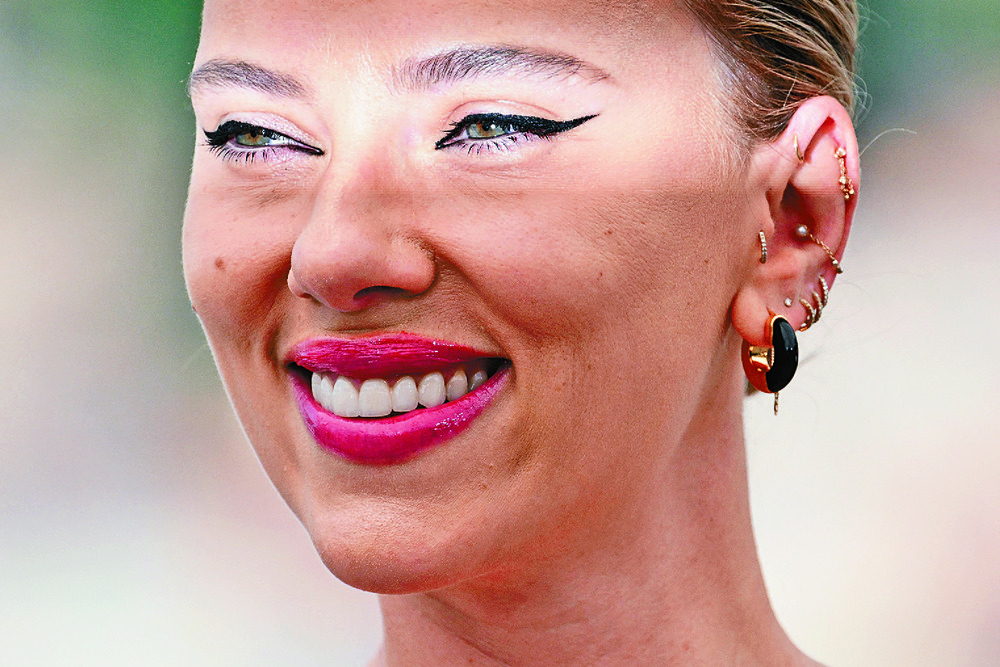
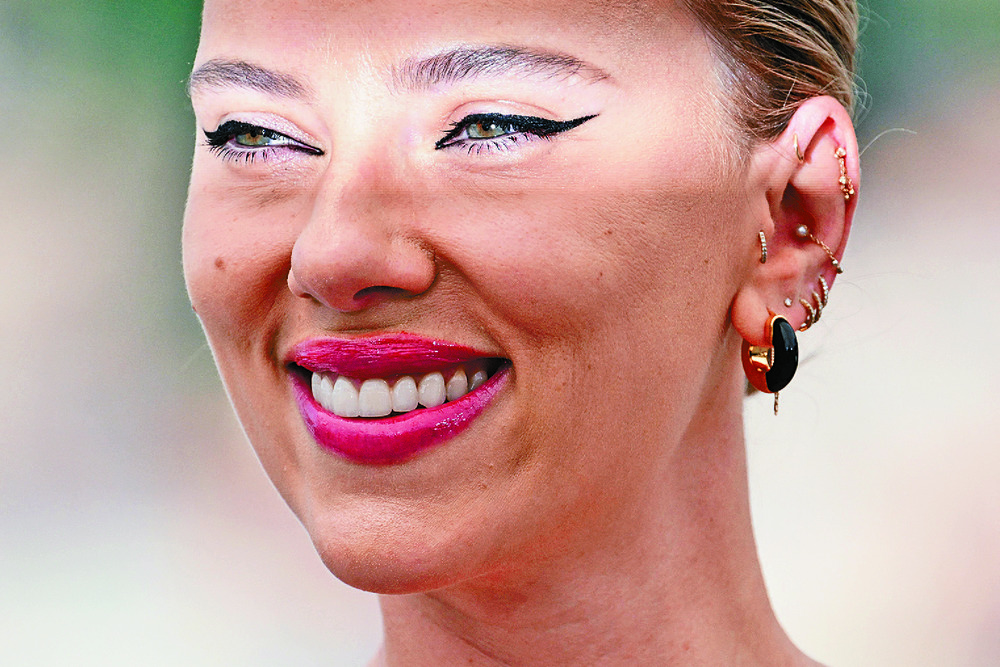
Topping this year's list as the "riskiest" celebrity for online scams is Scarlett Johansson, known for her role as Black Widow in the Marvel Cinematic Universe.
Johansson's position on the list reflects an evolution in the "scamiverse," as her likeness has been used in AI-generated advertisements and endorsements without her permission, signaling a shift from scams purely focused on financial exploitation toward the broader misuse of celebrity images and voices.
Johansson has also been an outspoken advocate against nonconsensual AI-generated content, further highlighting the growing intersection between AI and disinformation.
For consumers seeking their dose of celebrity news or hunting for deals and tickets, online safety often takes a backseat to speed and convenience.
Popular searches for free or discounted items like song or movie downloads, deals on celebrity-backed products, cryptocurrency investments, or tickets to high-demand concerts can all expose consumers to fake sites or malware that steal their money or put sensitive information at risk.
Additionally, the growing use of deepfakes in fraudulent endorsements and misleading content further contributes to the rise of scams and misinformation. The consequences can be life-altering, with victims reporting financial losses from US$250 (HK$1,950) to over half a million dollars.
Computer security firm McAfee identified the celebrities - including social media influencers - whose names and likenesses are most often exploited to lead consumers to online scams.
These range from the purchase of fake goods or services that then rob consumers or steal their bank details to social media or e-mail scams that convince them to click risky links that install malware. All of these scams jeopardize consumer data, privacy, and identity.
The top 10 list includes a combination of longtime talent and more recently well-known names from various fields, showcasing their potential influence on consumers of all generations:
1. Scarlett Johansson: Actress and singer whose name and likeness have been used without permission for advertisements and endorsements, outspoken advocate against non-consensual AI-generated content.
2. Kylie Jenner: Reality star and influencer whose name and likeness have been used without permission for social media giveaway scams and fake Kylie Cosmetics products and websites.
3. Taylor Swift: Singer whose name and likeness have been used without permission for celebrity endorsement, ticket scams, and product giveaway scams, as well as for disinformation, including political endorsement.
4. Anya Taylor-Joy: Actress whose name, social account and likeness have been used without permission for a giveaway scam, and to spread misinformation about her streaming series.
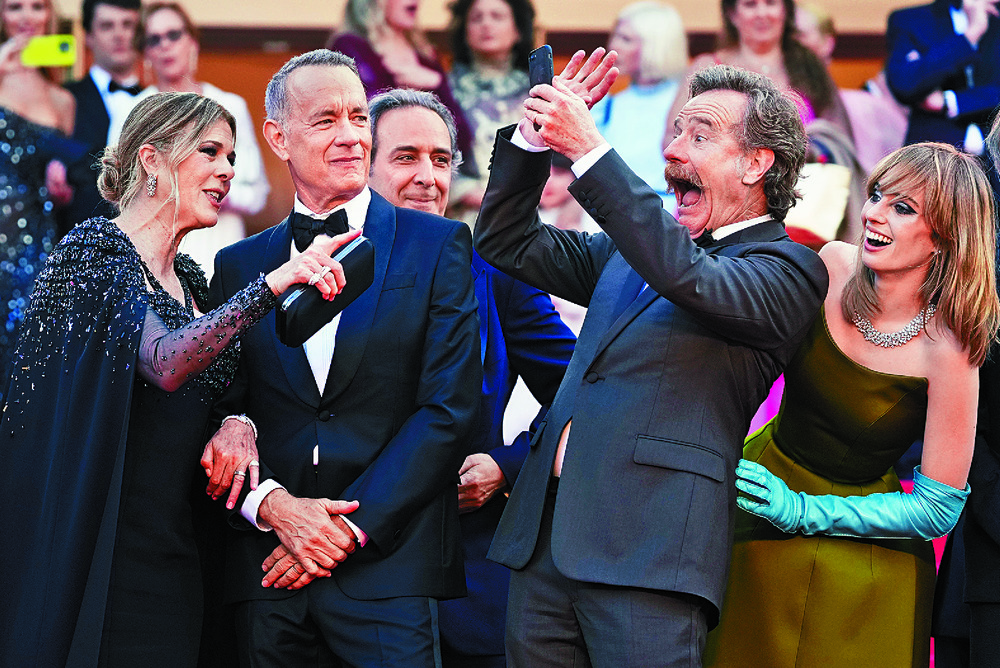
5. Tom Hanks: Actor whose name and likeness have been used without permission to promote "miracle cures and wonder drugs."
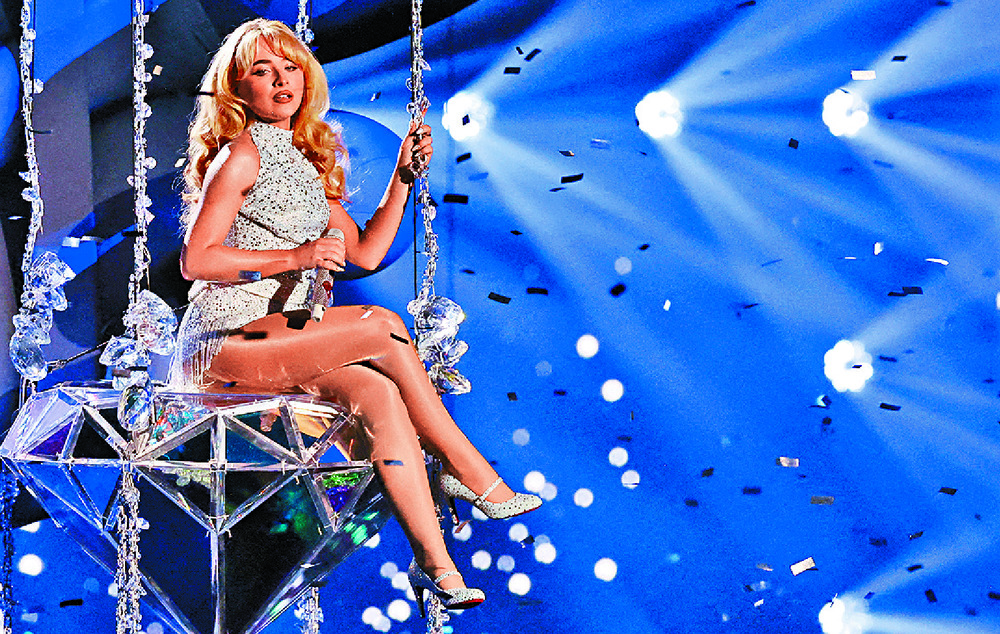
6. Sabrina Carpenter: Singer whose name and likeness have been used without permission for fake ticketing scams and to advertise an app for creating sexually explicit images.
7. Sydney Sweeney: Actress whose name and likeness have been used without permission for crypto scams.
8. Blake Lively: Actress whose name has been used without permission in a weight-loss gummy scam.
9. Johnny Depp: Actor whose likeness has been used without permission in giveaway, crypto and fundraising scams.
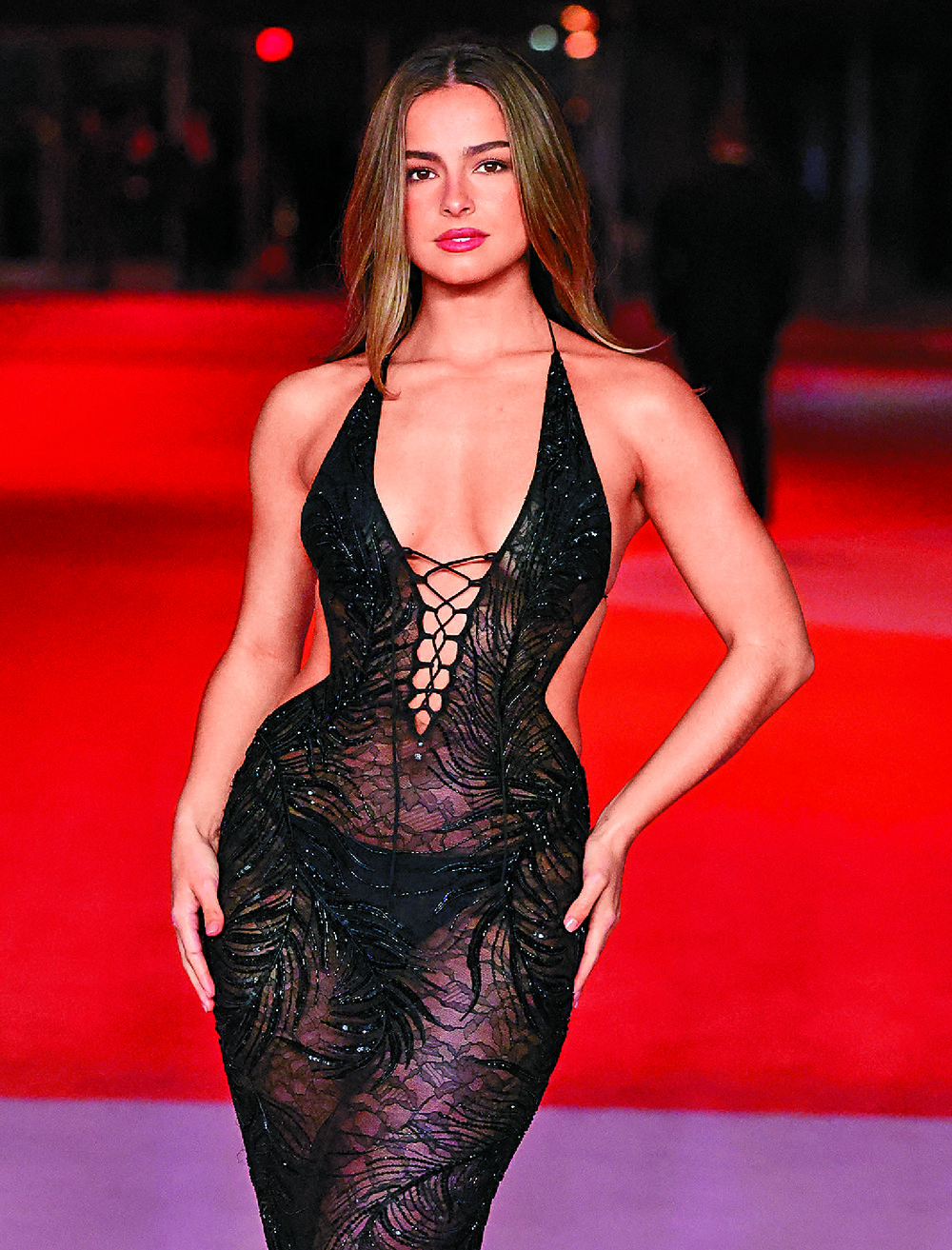
10. Addison Rae: Influencer, singer and actress whose likeness has been used without permission for fake endorsements, giveaways, and crypto scams.
The study was conducted by McAfee threat intelligence researchers to determine the number of risky sites and amount of misleading content generated by searching a celebrity name with commonly used terms.
A risk score was calculated for each celebrity using an analysis of known deepfakes recorded between January 1 to September 15 combined with McAfee WebAdvisor results.
Scammers are increasingly using a variety of tactics - including AI-generated deepfakes, phishing scams, and impersonations - to exploit the popularity and reputation of celebrities and deceive their fans.
Analysis showed cryptocurrency, ticketing, product giveaway, and "wonder drug" scams surfacing as frequent themes.
"In a time when celebrity news is part of everyday conversation and accessible with the click of a button, people often prioritize convenience over online safety, clicking on suspicious links promising celebrity content or related goods," said Abhishek Karnik, McAfee's head of threat research.
"But if it sounds too good to be true, it's worth a second look. With cybercriminals using advanced AI tools to create more convincing scams, the risks are growing, and celebrity names are the perfect bait for curious consumers.
"That's why people need to stay vigilant and think twice before clicking."
While AI-generated content is not always harmful, it is becoming harder to tell what is real and what is fake. Knowing the difference helps reduce financial risks and protect personal data.
Consumers can practice safe online behavior using the following tips.
Validate sources: Social media is a breeding ground for disinformation and scams. Some 72 percent of social media users say it is hard to spot AI-generated content such as fake news and scams, so approach content with a healthy sense of skepticism. If you come across shocking or dubious claims, validate them through reliable fact-checking of new sources and sites.
Engage with caution: Avoid sharing or engaging with social content that has not been verified. Even commenting on a post or clicking on a link makes you more susceptible to scams and misinformation.
Detect deepfakes: Look for slight inconsistencies in content. Is there unnatural blinking, odd eye movements, or unusual-looking hands or teeth? Does the audio not quite match the speaker's lips or have a distorted quality?
Use your judgment: If someone is saying or promoting something unexpected via video or audio, especially a celebrity, pause and question whether it is legit. Also, pay attention to content that heavily appeals to emotion rather than fact, as it is often designed to bypass rational analysis and provoke an immediate reaction.
ASSOCIATED PRESS
Scarlett Johansson tops this year's list of celebrities whose images or voices are used by online scammers, who also favor Tom Hanks, below left, seen with wife Rita Wilson, composer Alexandre Desplat and actors Bryan Cranston and Maya Hawke. AFP, A
Sabrina Carpenter, left, and Addison Rae are also on the top 10 list. REUTERS