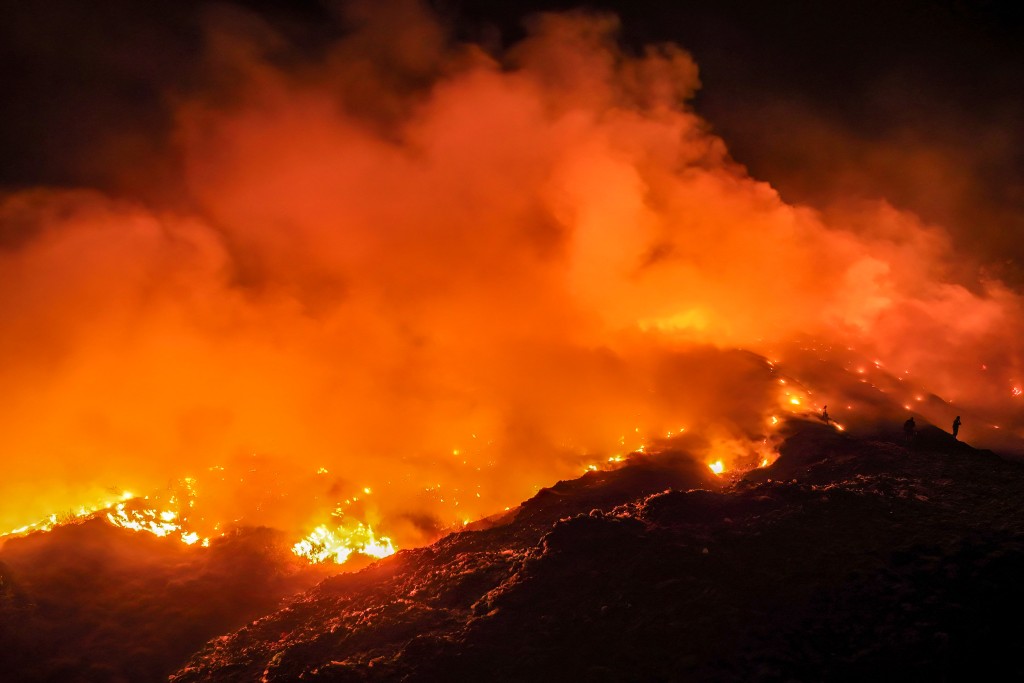
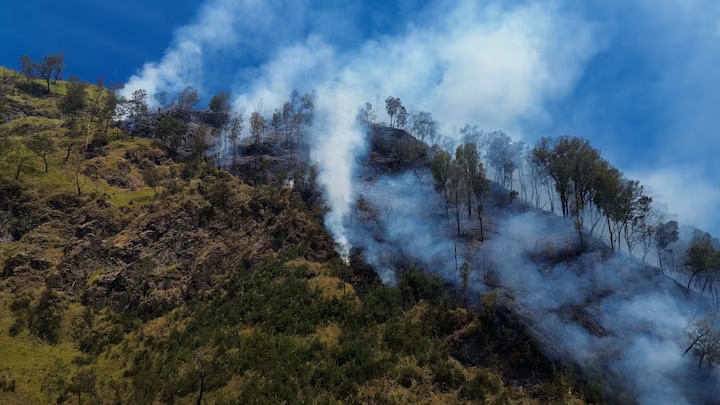
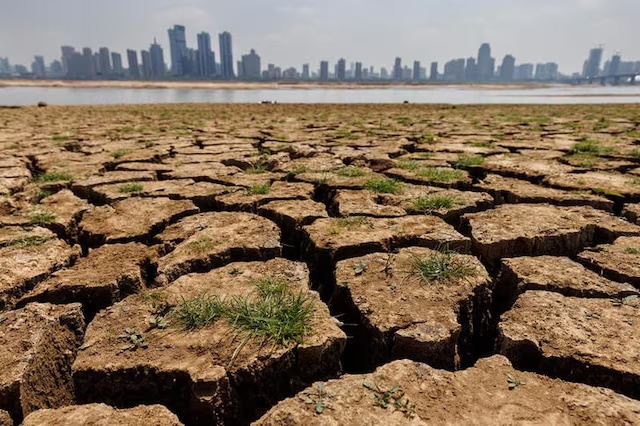
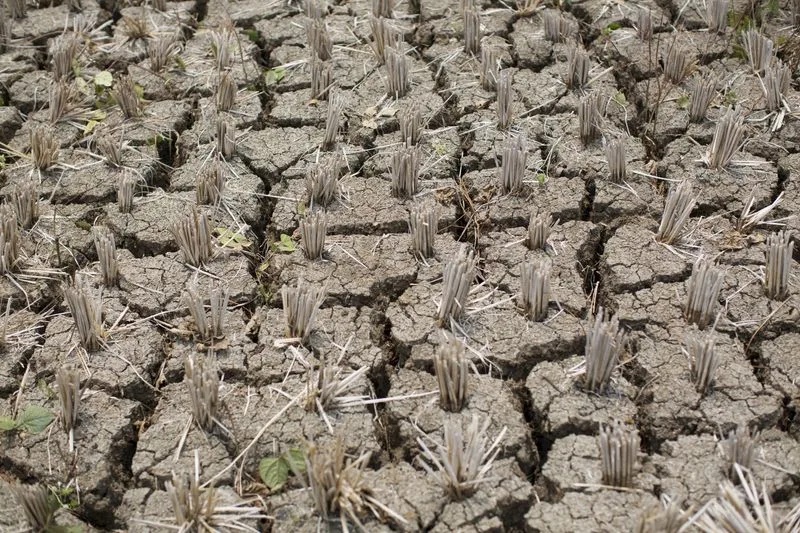
El Nino is far more than a transient weather event; it is a silent killer that shortens lives and drains economies, potentially causing cumulative economic losses of US$250 billion (HK$1.95 trillion) to US$300 billion in Hong Kong over the 21st century, according to a study jointly led by professor Benjamin Horton, dean of the School of Energy and Environment at City University, and researchers from Nanyang Technological University in Singapore.
In an exclusive interview with The Standard, Horton noted that the research quantifies the impacts of climate change-intensified El Nino events through metrics that concern the public and governments – life expectancy and economic loss.
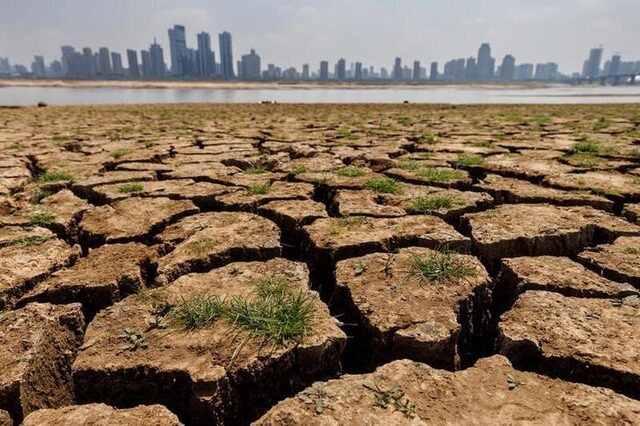
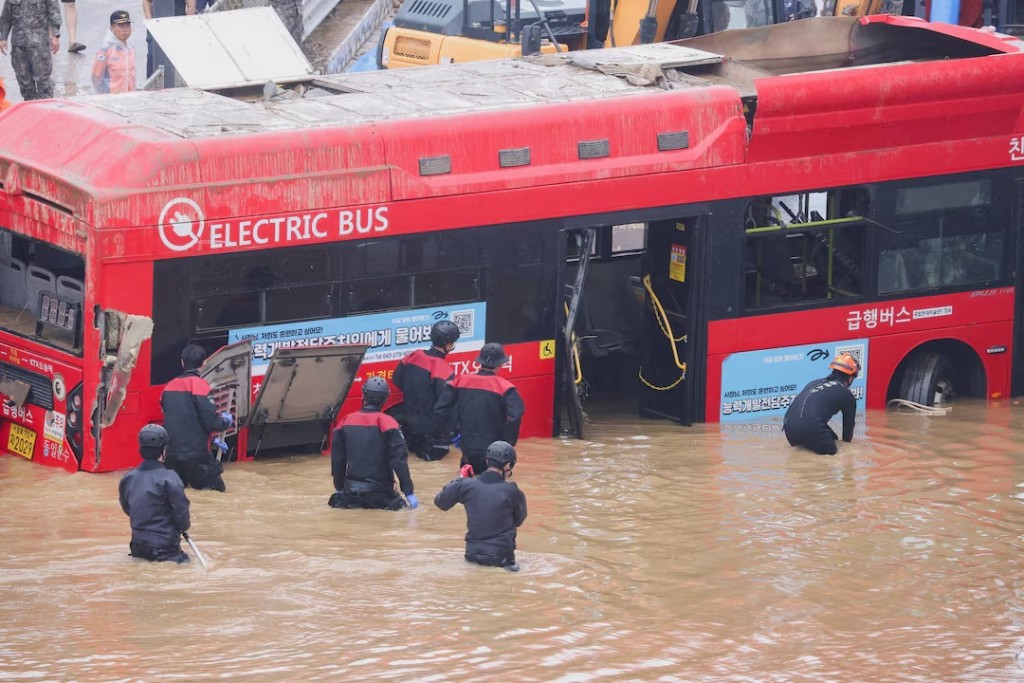
El Nino events are characterized by fluctuations between unusually warm and cool sea surface temperatures in the central and eastern Pacific Ocean – known as El Nino and La Nina, respectively – leading to global weather extremes like floods, heat waves, and increased air pollution.
The study analyzed six decades of data from 10 Pacific Rim countries and regions, including Australia, Japan, the United States, Singapore and Hong Kong, focusing on major El Nino events in 1982-83 and 1997-98.
In Hong Kong, those affected by the 1982-83 event saw their life expectancy drop by about 0.6 years, while the 1997-98 event reduced life expectancy by approximately 0.4 years and caused an economic loss of around US$58 billion, exceeding the US$15 billion loss from the earlier event.
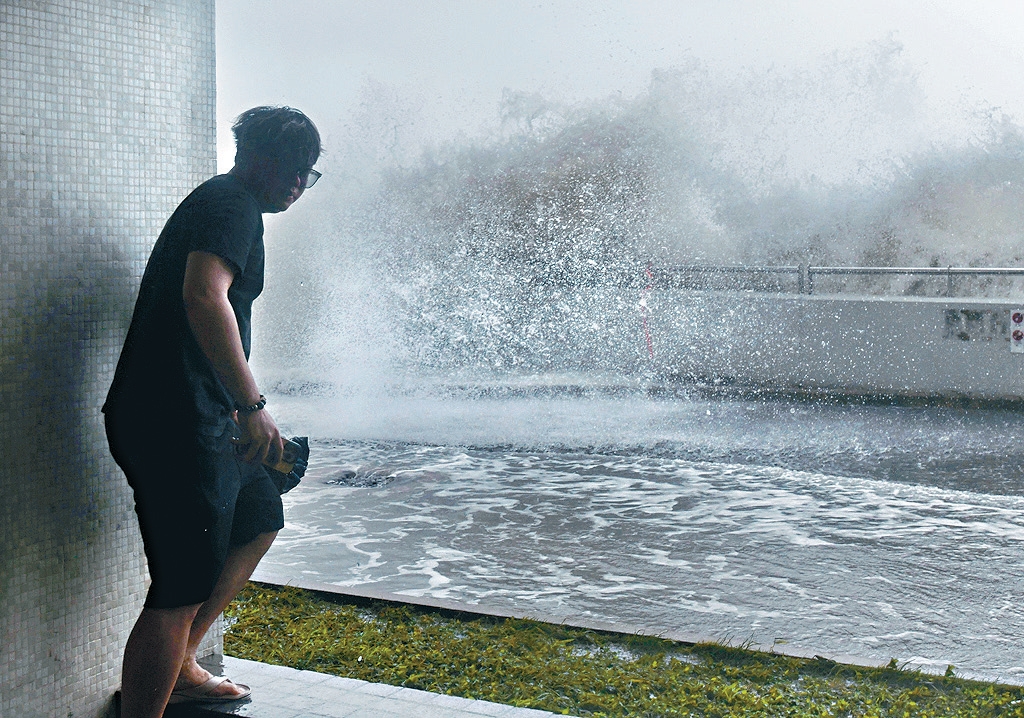
While the impact on Hong Kong aligns with averages observed in other countries, Horton warned that climate change could bring more extreme weather such as heat waves and record temperatures during El Nino, and intense rainstorms and typhoons during La Nina.
He noted that heat waves pose significant health risks, especially for the elderly and young children, as the elderly struggle to regulate their body temperature and young children under four cannot sweat effectively.
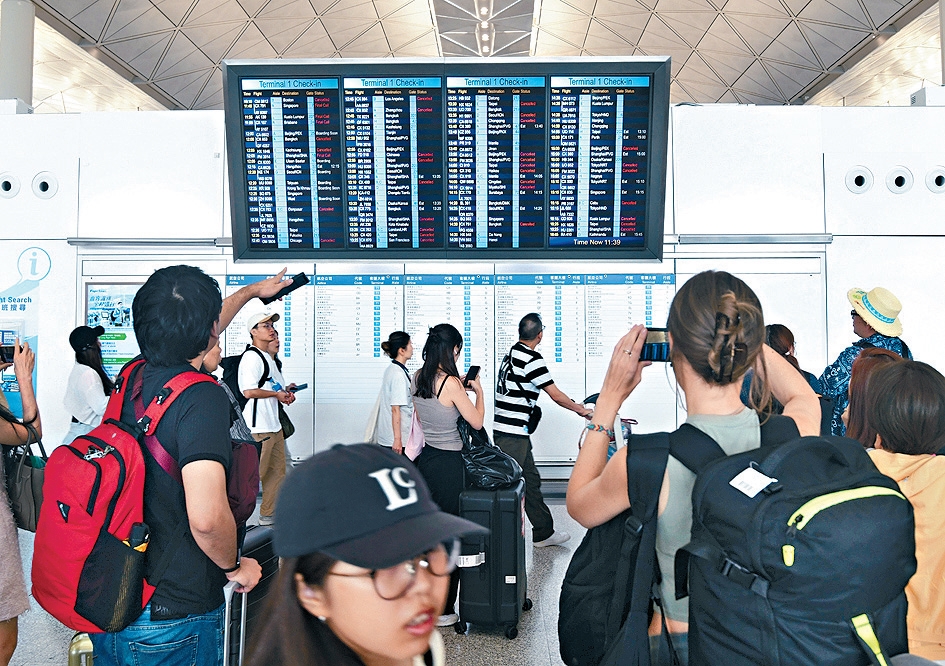
Yet, he acknowledged that Hong Kong has made “massive improvement” in coping with such extremes. Enhanced building structures reduce the risk of falling debris during high winds, while effective flooding management ensures rapid recovery following heavy rainstorms. The airport has also improved its warning systems for efficient shutdowns and re-openings.
Super Typhoon Ragasa causes flight cancellations at the airport.
“We were great last year with the black rain events and [typhoon] Ragasa, but we weren‘t so good with [typhoon] Mangkhut, were we? But we learnt from Mangkhut,” he said.
“You can have some degree of confidence because Hong Kong has survived for over a century with this economic development being subject to weather extremes. But climate change means that the success of the last 100, 150 years is not sufficient because it makes these events more extreme,” he said.
Horton stressed the need for a significant amount of investment in science, enabling the Hong Kong Observatory to make better projections of heat waves and typhoons, which will guide targeted evacuations and resource allocation. He also called for redesigning the city to address heat waves with nature-based cooling and engineering solutions, such as increasing green spaces and using reflective white paint on buildings.
He highlighted CityU’s i2Cool, a startup that developed a passive radiative cooling paint that reduces building temperatures by reflecting solar radiation without electricity. CityU is collaborating with Cambridge University to integrate exterior and interior cooling technologies into a unified research agenda.
Green vision for climate resilience
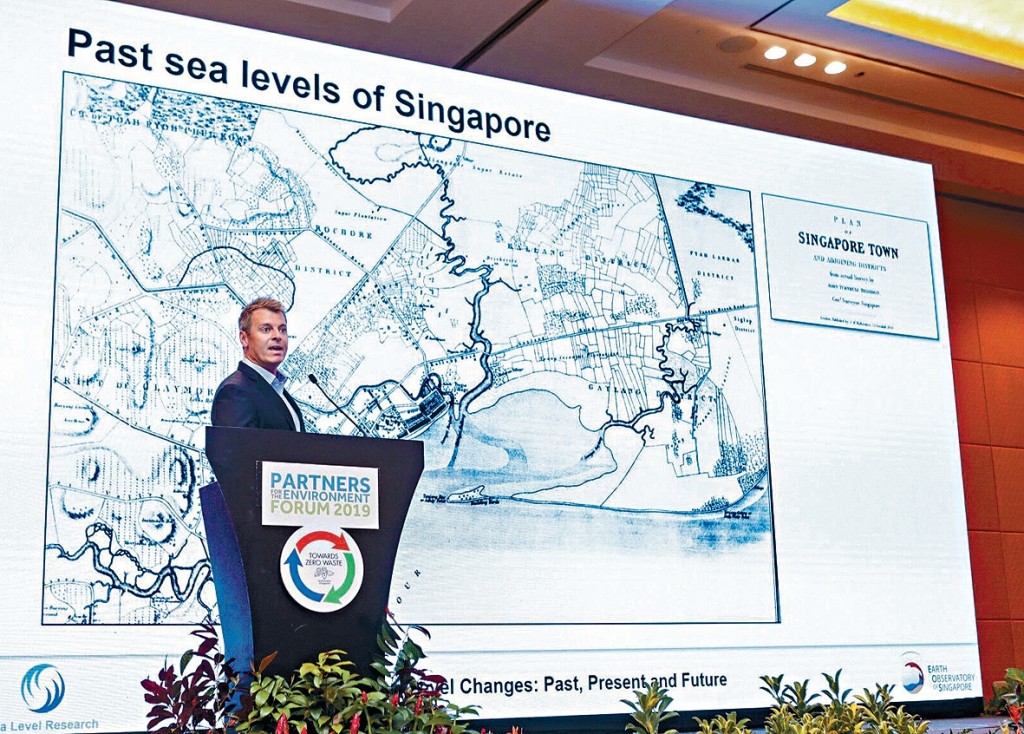
Hong Kong and Singapore, both dense, prosperous financial hubs in the tropics, grapple with severe climate vulnerabilities – but their approaches to resilience reveal huge differences in long-term planning, urban design, and policy execution, according to Benjamin Horton, who has worked in Singapore for eight years before joining CityU.
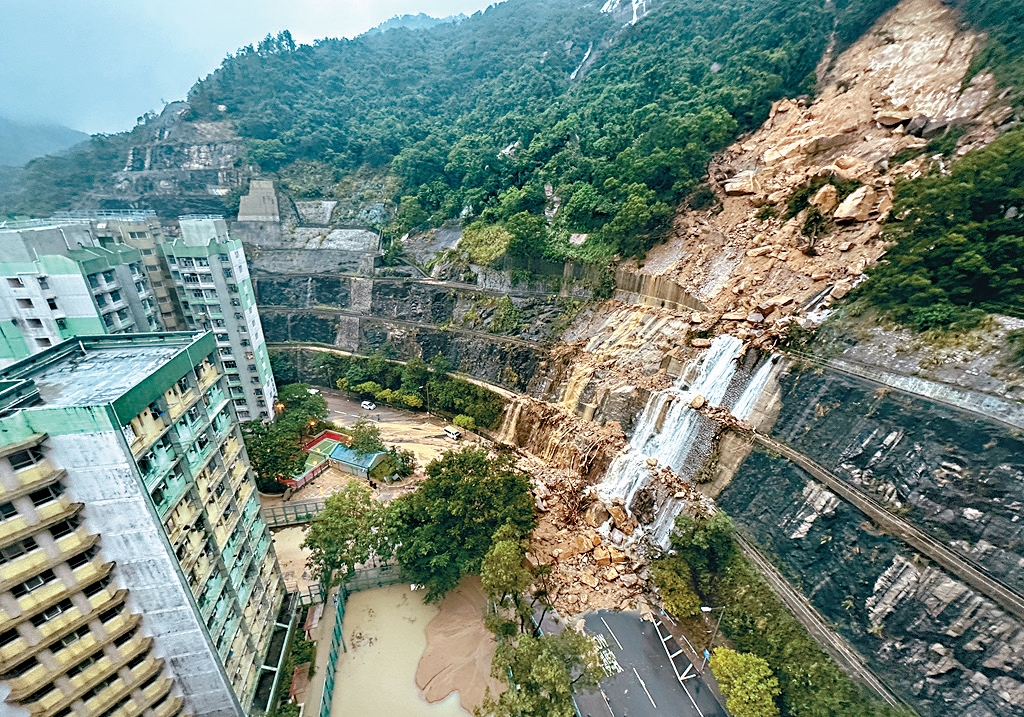
Singapore faces extreme heat and high humidity, with significant vulnerability to sea level rise due to its limited land. In contrast, Hong Kong also deals with these issues but is particularly affected by typhoons and heavy rainfall on steep slopes, leading to landslides.
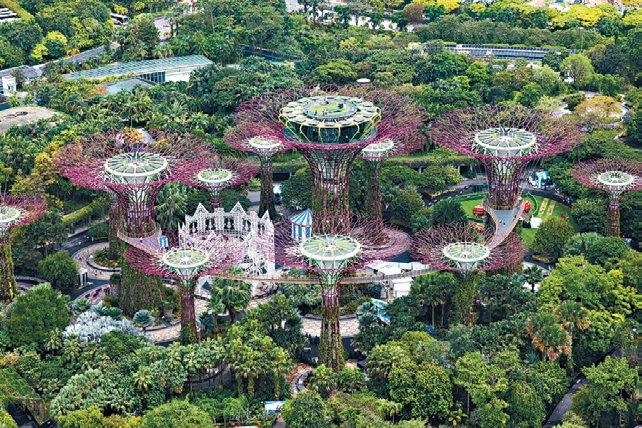
Both rely heavily on natural gas and share a similar approach in climate mitigation, particularly in setting zero-carbon goals and achieving sustainability. But Horton noted that Singapore, described as “a city in nature,” has effectively integrated green spaces, such as Gardens by the Bay, into its urban planning.
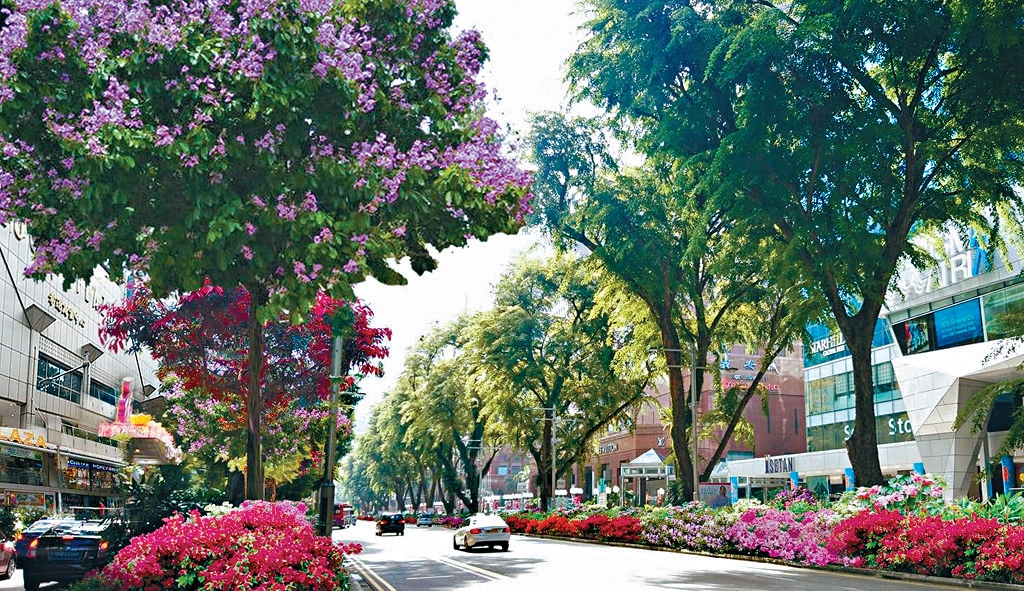
“If you go down Orchard Road, in the center of Singapore, it’s lined with trees. If you go to Central, where are my trees? Where’s the green vegetation?” he questioned.
Horton highlighted Singapore’s strategy of promoting itself as a climate-resilient destination by emphasizing its lack of typhoons to attract investment, which he views as an “interesting business model.” He urged Hong Kong to leverage its strong academic institutions and prioritize climate resilience and sustainability to mitigate the impact of extreme weather and typhoons.
“[Hong Kong] has five brilliant universities. Singapore’s only got two. I’d like to see the government saying that this is our priority,” he said.
Having lived in Hong Kong since April last year, Horton appreciates the city’s rich history, diverse geography, and vibrant culture. He values the distinct seasons and the outdoor lifestyle, enjoying activities like hiking and cycling.
Media, artificial intelligence seen ‘falling short’ on climate action
Climate change is the 21st century’s defining crisis, yet the media and artificial intelligence are failing to drive meaningful action, argued Horton, criticizing media outlets for creating false debates while warning that AI’s trivial yet energy-hungry uses are exacerbating the very crisis it could help solve.
For decades, the media have failed their audience on climate coverage due to their tendency to “create debate where there wasn’t any between experts.” He criticizes the media’s practice of giving equal voice to unqualified climate deniers and climate scientists, thereby undermining the urgency of the situation.
“I think the media have been a problem because they haven’t taken this issue seriously enough,” he said, adding that editors often sideline climate stories for other topics.
He stressed that the media’s role is becoming “increasingly important” as climate change is no longer a future threat but a present reality. Media outlets should prioritize delivering accurate information and highlight the urgency of climate change while facilitating effective communication between scientists and the public.
AI, meanwhile, is a double-edged sword. While it holds potential to combat climate change, Horton noted that 90 percent of current AI use is for “mundane tasks,” including the creation of deepfakes and images as well as casual phone searches, rather than being used for medical or engineering discoveries.
“Every time we use AI, you are burning huge amounts of carbon and using huge amounts of water,” he said.
Horton revealed that he and his team are working on a research paper measuring the environmental impacts of AI, in order to show the real cost of everyday AI uses and make people reduce consumption.
Horton worked in Nanyang Technological University for eight years.