Citing the unsustainable cost of long-term rental support, Secretary for Housing Winnie Ho Wing-yin has raised doubts about the feasibility of an on-site rebuild for Wang Fuk Court– a plan that could take nearly a decade.
Her remarks come amid calls from displaced residents for the government to announce long-term rehousing plans before the Chinese New Year.
Speaking on a TV programme on Sunday, Ho reported that the government has gathered opinions from nearly 90 percent of affected households, emphasizing that varied rehousing options will be offered in an “objective yet sensitive” manner.
Financial constraints for rental subsidies
Addressing the desire for an on-site redevelopment, Ho noted the current rental subsidy scheme only runs through 2027, while a full rebuild could take until 2035 or later.
“Does that mean we must provide eight more years of rental subsidies during the waiting period?” Ho questioned, expressing concern over the long-term financial strain.
Instead, Ho highlighted an option for in-district relocation at Chung Nga Road West, where formation work is already complete, allowing residents to move in by 2029 potentially.
She suggested that rental support could be extended for “an extra year or two” in this scenario, providing a quicker timeline for affected families.
Balancing compassion with practicality
Despite strong public sympathy for the victims, Ho emphasized the need for balanced resource allocation to avoid social disputes.
While the government aims to offer multiple choices, she underscored that some suggestions, like receiving both full compensation and a new property, are financially untenable.
Regarding alternatives like cash buyouts or flat-for-flat exchanges, Ho reassured the public that the government would prioritize compassion in pricing but insisted that terms must remain “fair and reasonable.”
As for the option of Home Ownership Scheme(HOS) flats, she indicated that many citizens are already in line, requiring careful consideration of available options.
Safety concerns for returning
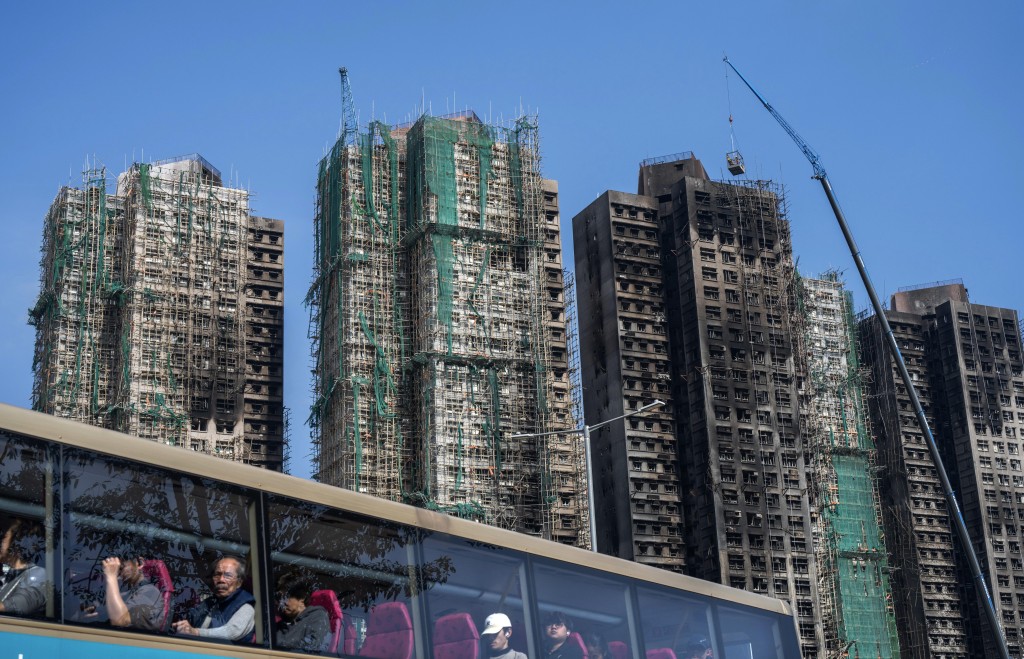
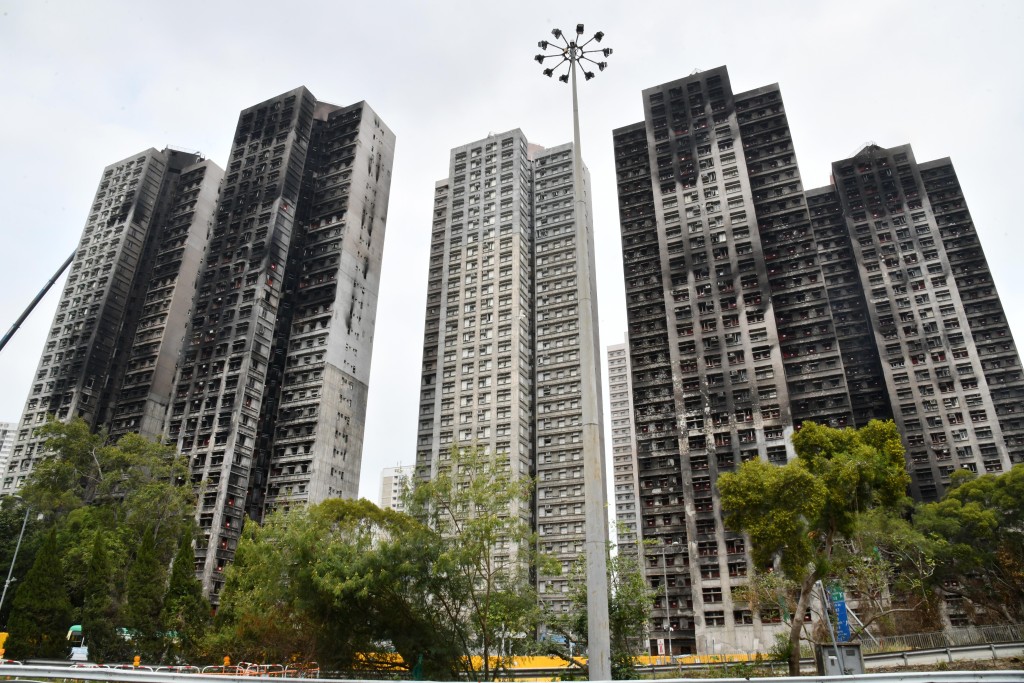
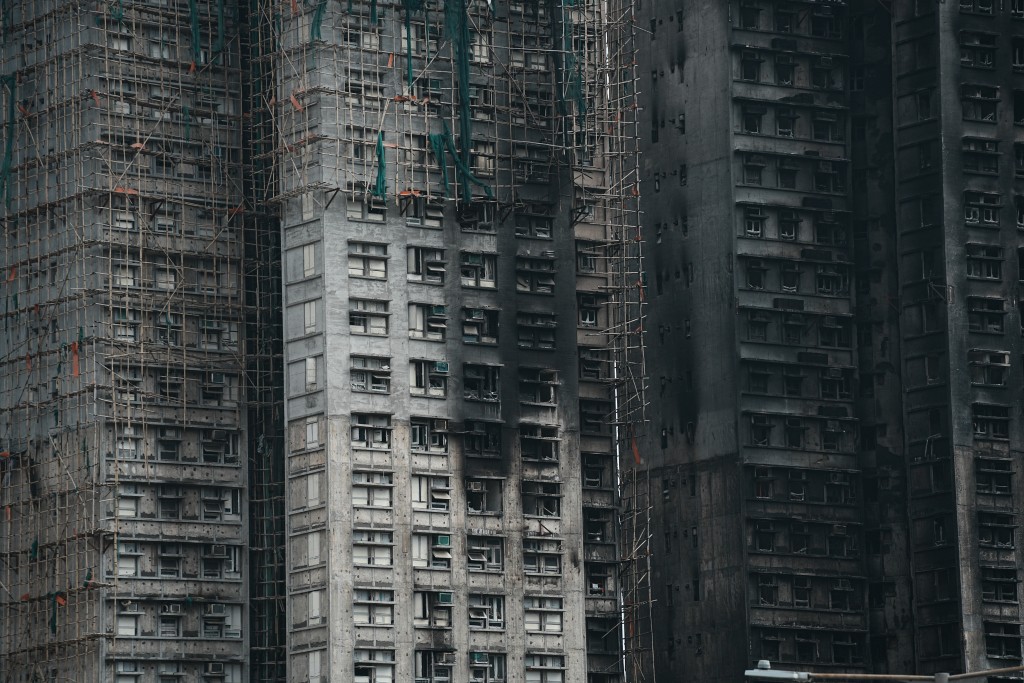
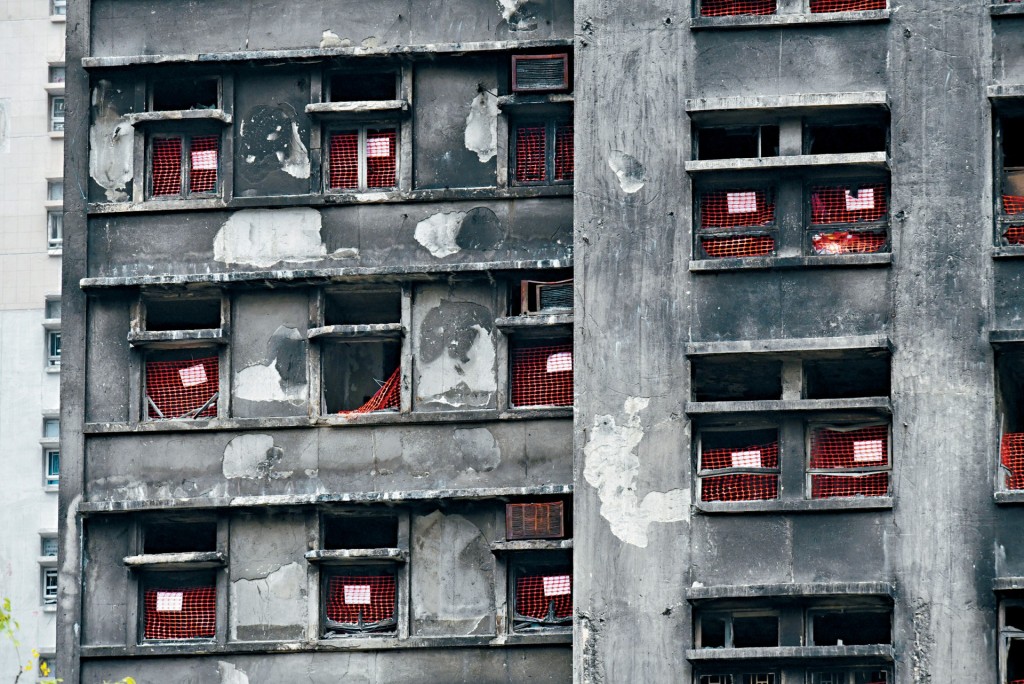
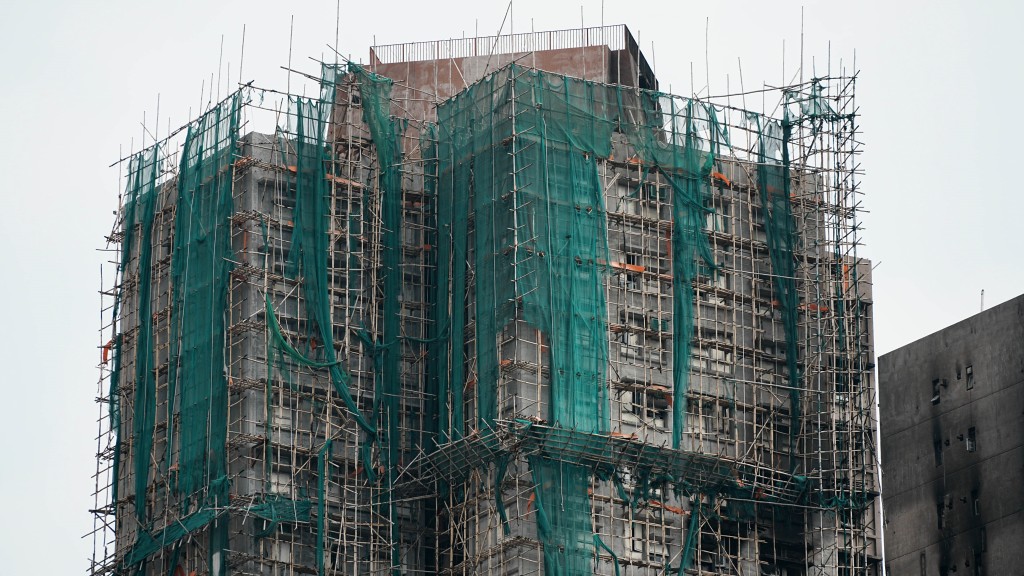
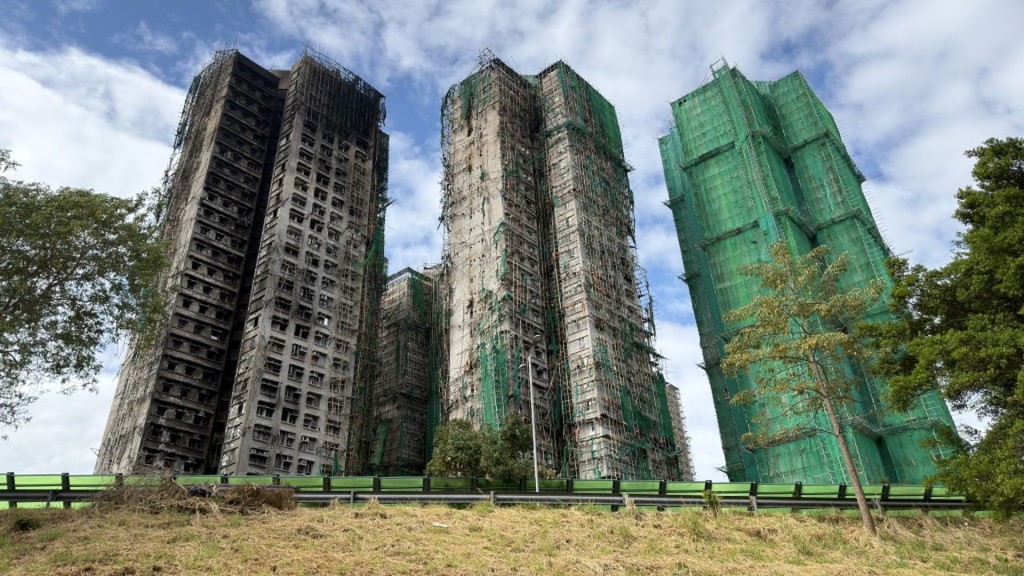
When asked whether residents could eventually return to their original units, Ho cited severe structural damage and the hazardous, complex task of dismantling scaffolding around the seven fire-damaged blocks.
Ho further pointed to the risk of internal safety, including potential floor instability and the mobility challenges faced by elderly residents.