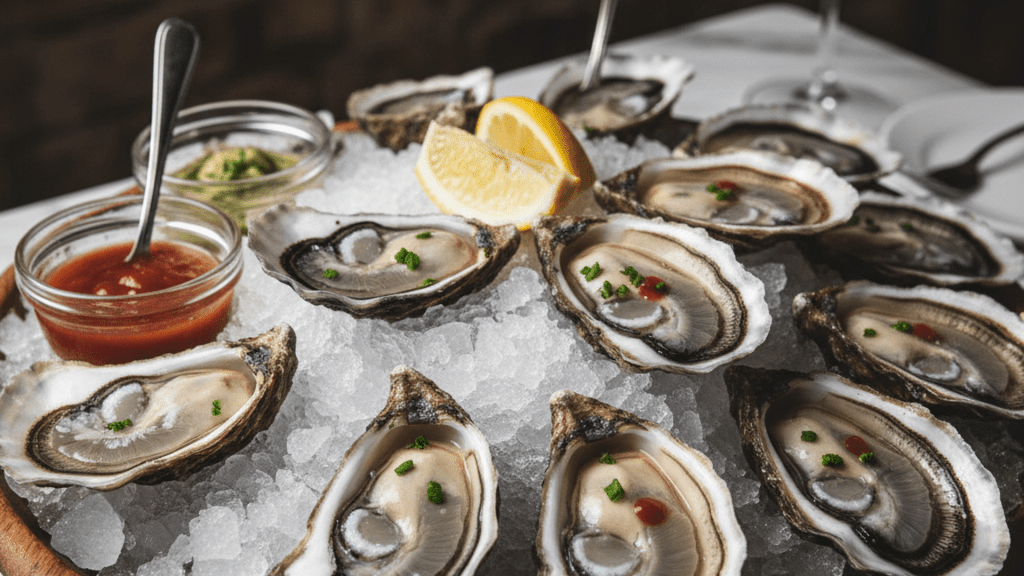
Hong Kong's Centre for Health Protection has issued a strong warning as food poisoning cases related to norovirus from raw oyster consumption have increased sharply in recent weeks.
Controller of the CHP Dr Edwin Tsui said on Thursday that cases have risen significantly, from an average of one per week in late December to four per week in January. The first five days of February alone recorded 16 cases.
Since January 18, the CHP has recorded 23 food poisoning outbreaks linked to raw oysters, affecting 69 people. Among these, 20 cases (87 percent) were caused by norovirus, affecting 57 people. Oysters originated from countries including Korea, France, Ireland, and Spain. Five people required hospitalization and are in stable condition.
The CHP reminded the public that norovirus is highly contagious and is more active in winter. Symptoms include nausea, vomiting, diarrhea, abdominal pain, and low-grade fever. The virus can be transmitted through contaminated food, contact with infected persons' vomit or excreta, or contaminated objects.
Dr. Tsui urged the public, especially susceptible groups like pregnant women, young children, the elderly, and those with weakened immune systems, to avoid raw or undercooked oysters and shellfish. He emphasized that washing hands with soap and water is crucial, as alcohol-based handrubs are not effective against norovirus.
As the Lunar New Year holiday approaches, the CHP advised extra caution when dining out or having parties with food delivery or hotpot, ensuring food is thoroughly cooked.
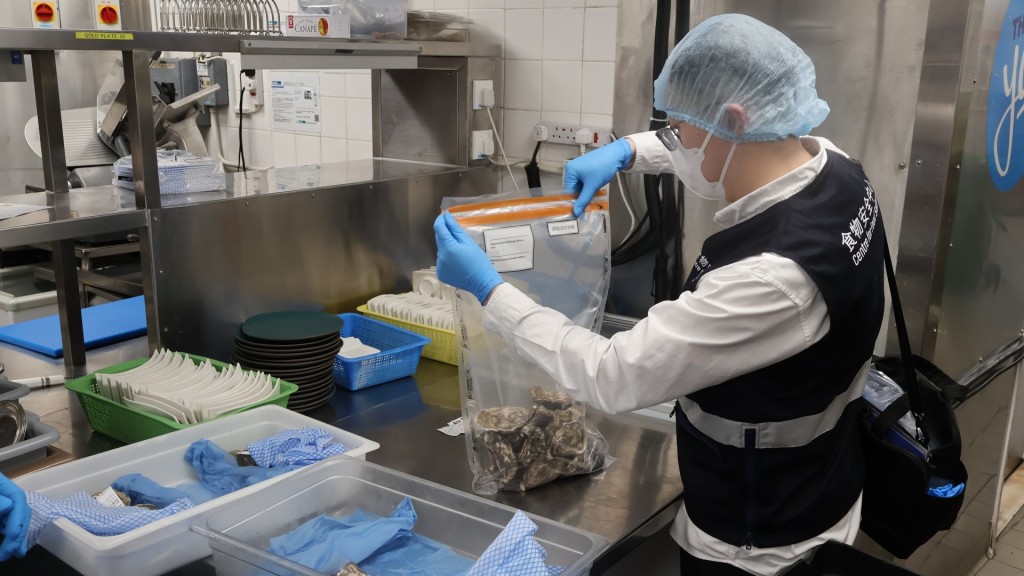
The CHP is also investigating two new food poisoning clusters affecting four people who dined at Odelice in Sha Tin on January 31 and February 1. Preliminary investigation identified raw oysters as the common food item. One patient tested positive for norovirus.