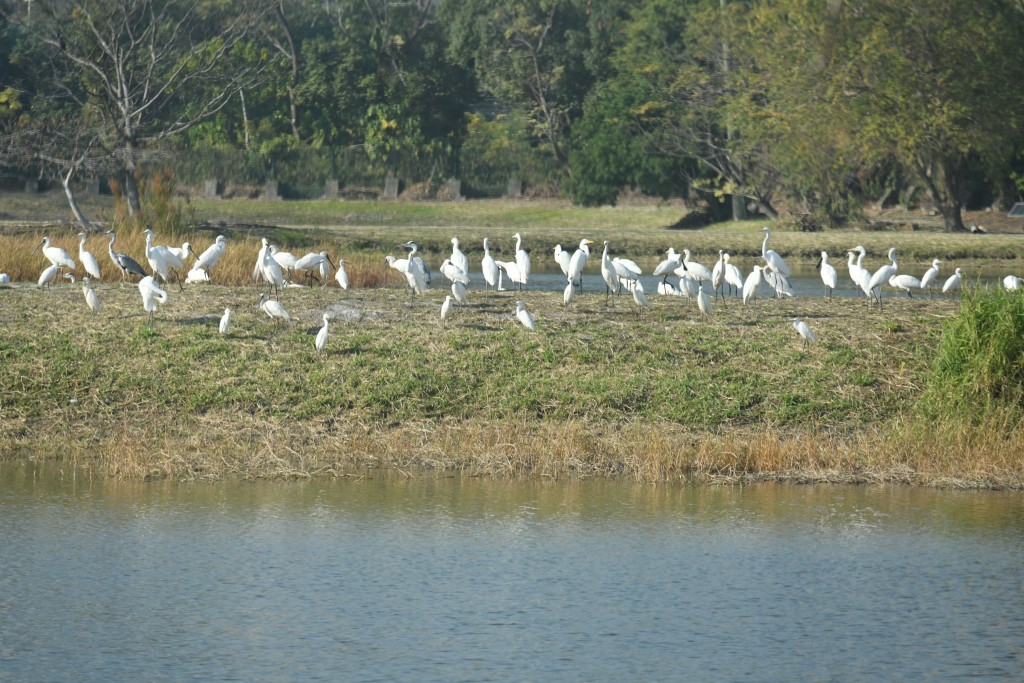
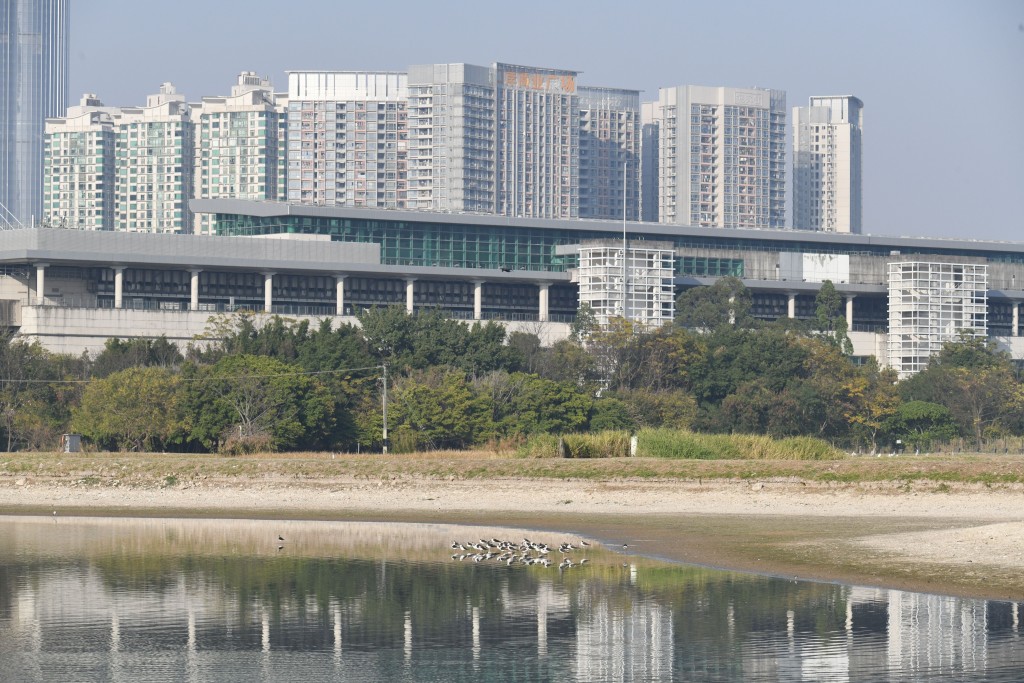
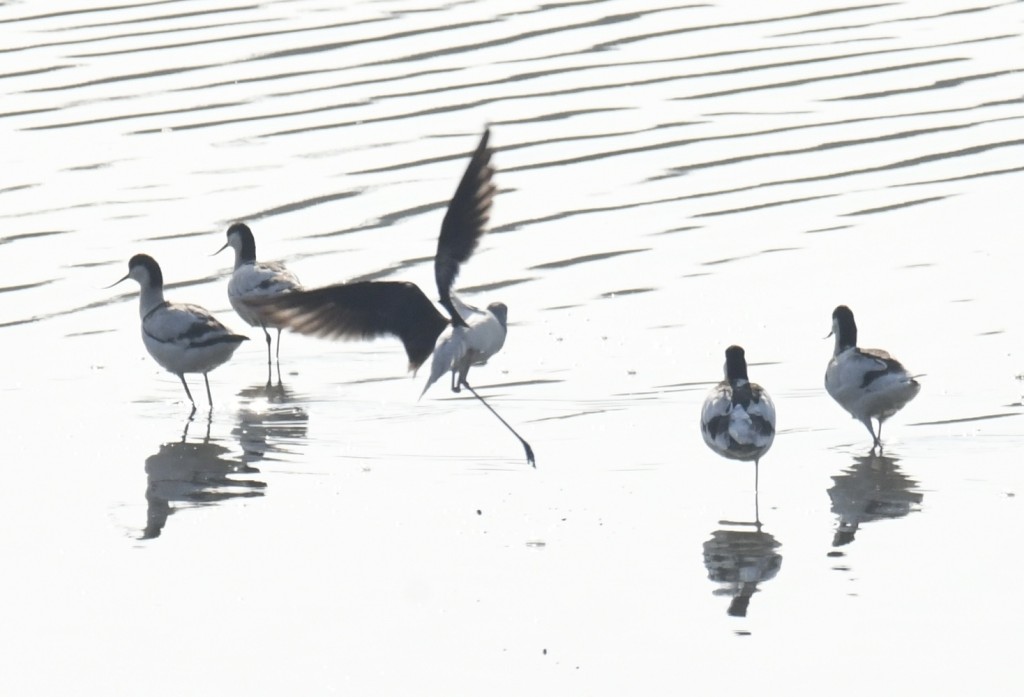
MTR Corporation said its Lok Ma Chau Wetland has recorded more than 280 bird species since 2007 and that it has implemented a series of conservation measures in collaboration with the University of Hong Kong.
ADVERTISEMENT
SCROLL TO CONTINUE WITH CONTENT
The 32-hectare wetland is home to a range of endangered and vulnerable species, including black-faced spoonbills and yellow-breasted buntings.
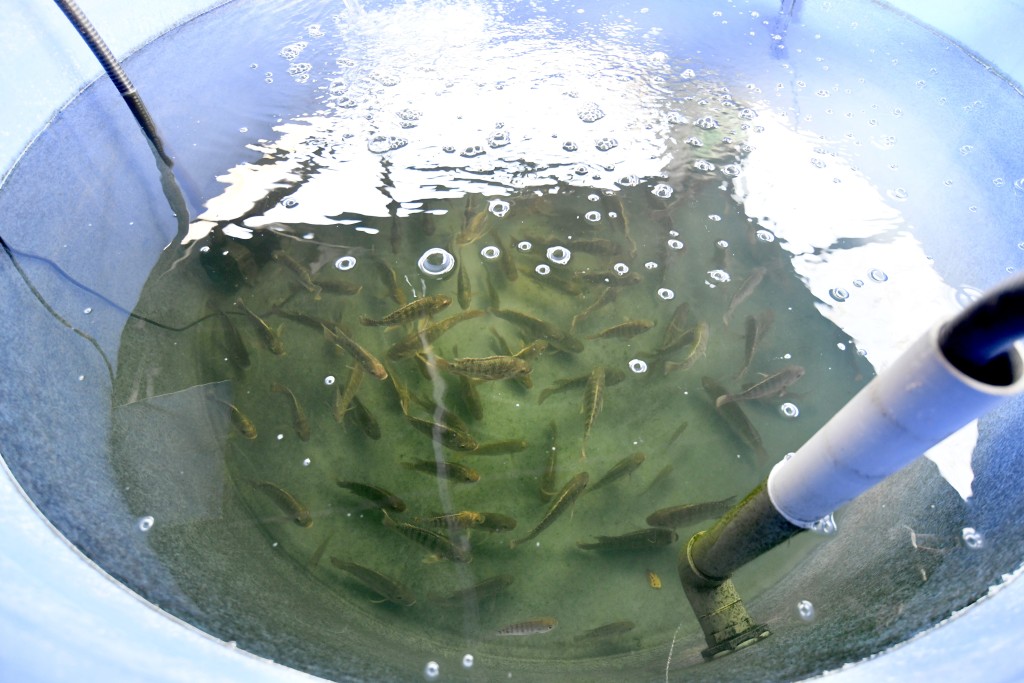
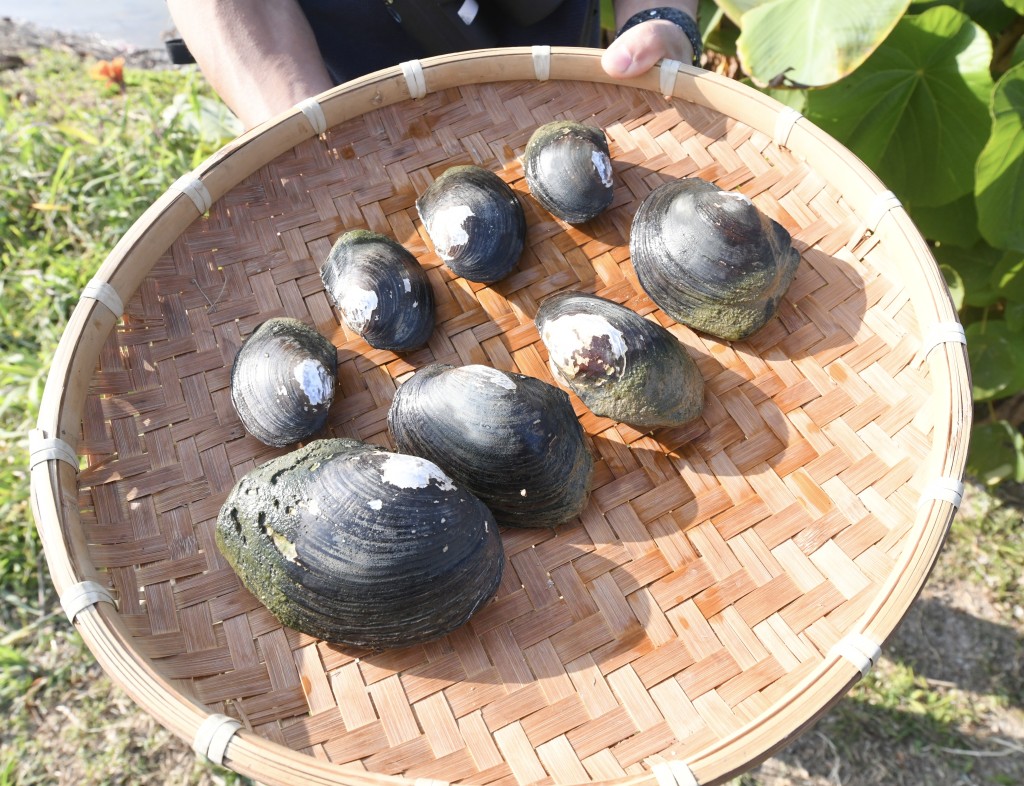
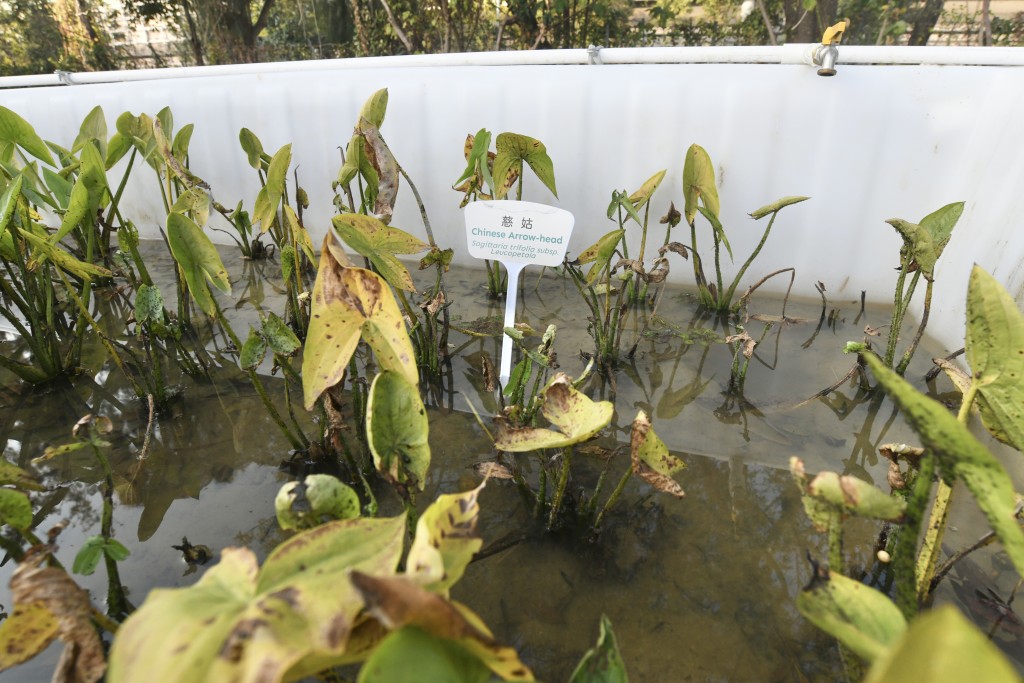
In recent years, MTR has partnered with HKU experts to expand vegetation coverage and enhance biodiversity to raise the wetland’s ecological value. Pilot initiatives include the establishment of a wetland plant and fry-rearing base.
+1
Once the fry and shrimp reach a suitable size, they serve as a natural food source for birds. During the migratory season, when birds fly south, the water level in fish ponds is lowered and live fish are released to make feeding easier.
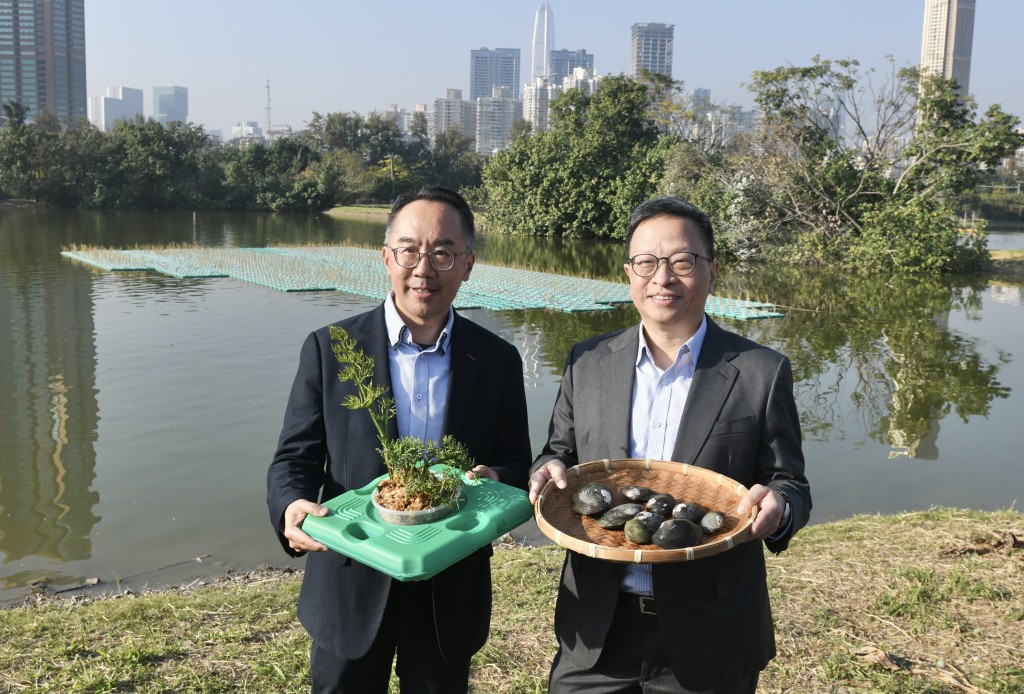
To further expand vegetation cover, ecological floating islands have also been installed to provide additional habitats for birds and other wildlife, helping the wetland move toward greater ecological self-sufficiency.
MTR Chief of Operations Engineering Services and Innovation Chan Hing-keung said the wetland has been planted with several valuable species, including water fern (Ceratopteris thalictroides), a vulnerable fern listed under China’s State-protected Wild Plants (Category II).
“We aim to introduce more diverse species to further enhance the wetland’s ecological value and promote sustainable development,” Chan said.
As the government accelerates infrastructure development in the Northern Metropolis — with construction of the Northern Link underway and the Spur Line to Huanggang Port planned — MTR said it will draw on its wetland management experience to support environmental sustainability.
Chan said the company will maintain close communication with stakeholders during railway construction to ensure compliance with environmental requirements and to strike a balance between development and conservation.
MTR added that the current round of pilot ecological measures at the wetland is expected to be completed this year, after which data analysis will guide further efforts to strengthen the ecosystem.