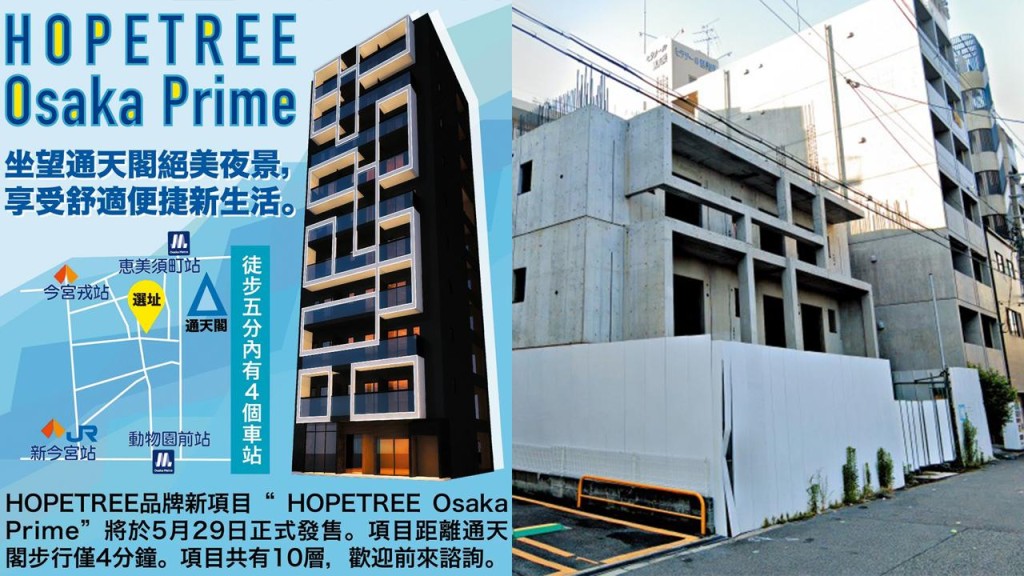
A growing number of Hong Kong residents have been investing in Japanese real estate. In 2021, 40 investors purchased residential units in Osaka through a local agency. The project was expected to be completed and handed over two years later but was ultimately abandoned. To date, the buyers have lost close to HK$100 million with no prospects of recovering their investments.
An exclusive report by East Week, sister publication of The Standard, features interviews with affected investors and exposes a Japanese developer with a questionable background and dubious business practices. This incident highlights the potential risks of investing in overseas properties and the challenges faced by Hong Kong buyers in protecting their interests abroad.
Pre-Sale Property Launches in Hong Kong
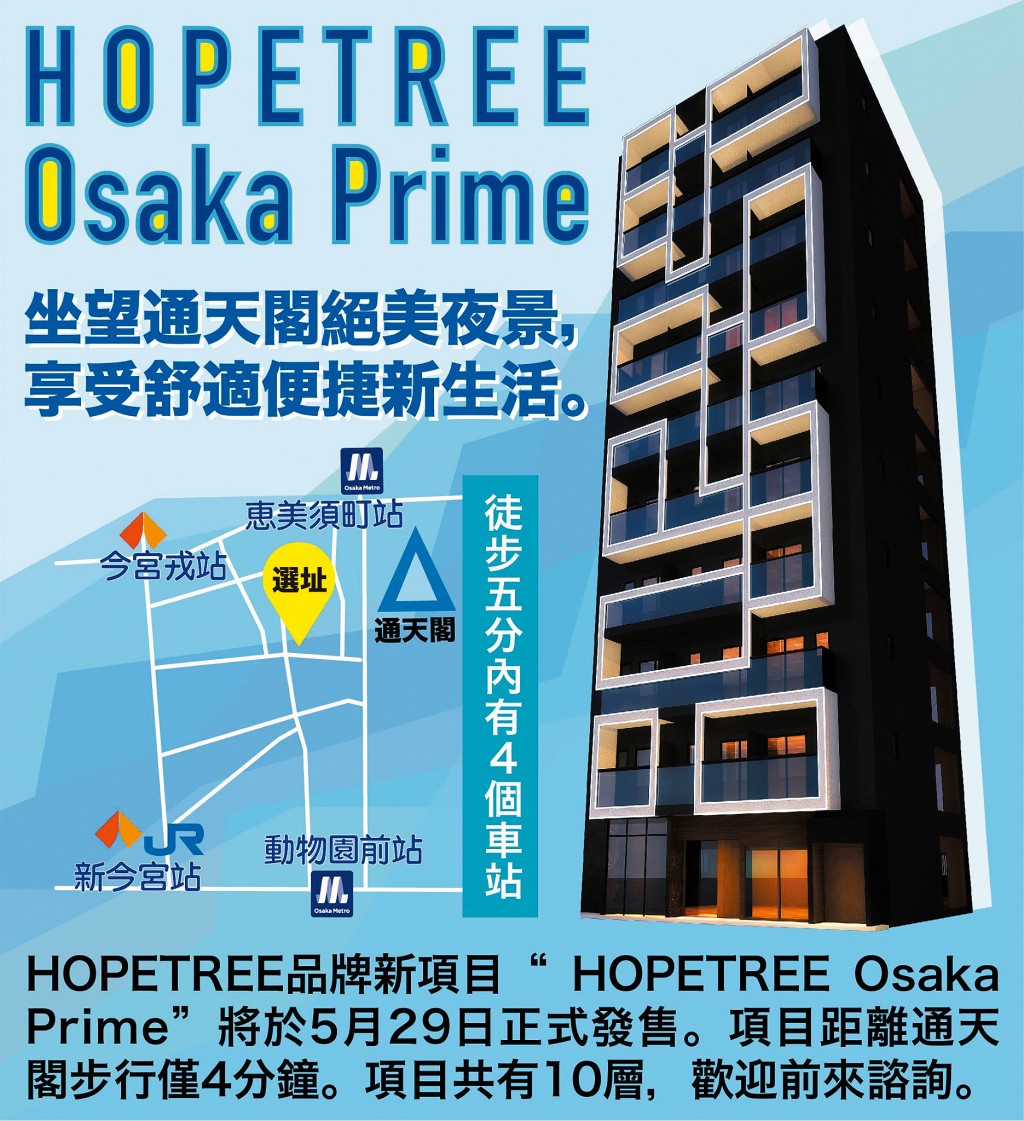
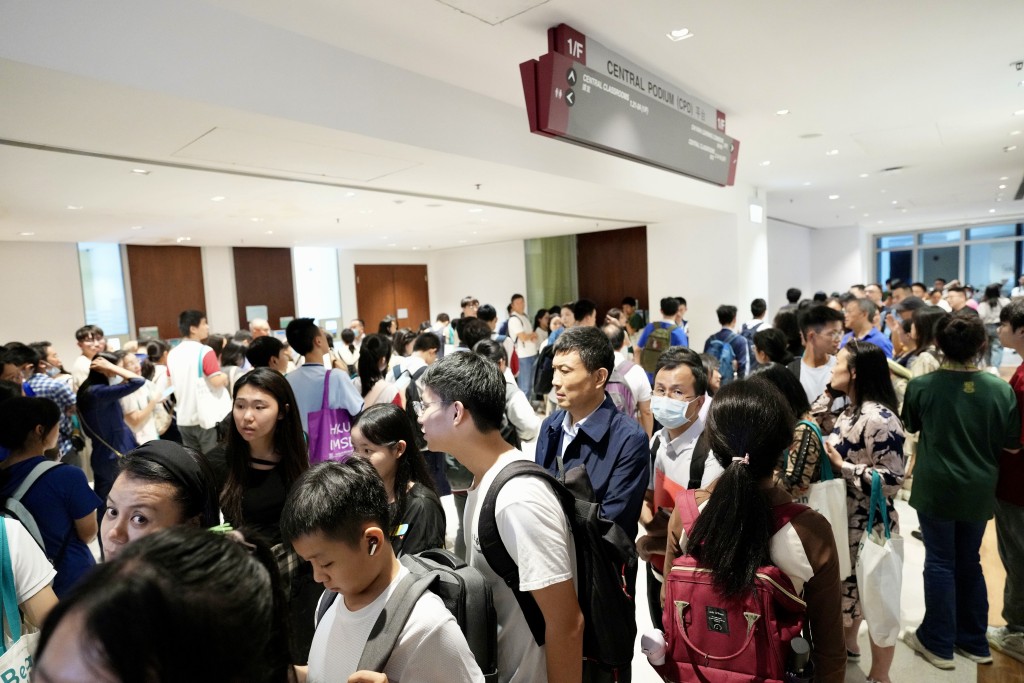
During the 2021 pandemic, Chan (pseudonym) discovered an online group claiming to specialize in overseas properties. The agency promoted a new residential development in Osaka’s Naniwa-ku District, Japan, and held a sales exhibition at the Grand Hyatt Hotel in Wan Chai.
The agent claimed the development near Shinsaibashi’s prime Golden District guaranteed high returns and permanent ownership. Chan said buyers were promised a five-year rental management service with about 6.5% annual returns. The agent stressed the Japanese development team and claimed buyers could qualify for residency based on returns. As a result, several attendees at the sales exhibition made immediate purchases on the spot. “Some buyers even paid the full property price upfront without opting for any instalment plan,” Chan said.
Most of the buyers were reportedly professionals, including lawyers, doctors, university professors, and business owners. Each unit was priced at approximately 26 million yen, equivalent to around HK$1.8 million based on the exchange rate at the time.
Missing Japanese Developer Leaves Hong Kong Investors in Limbo
The handover was originally scheduled for late 2023. However, after a brief initial update, the Japanese developer stopped regular progress reports, citing various reasons for repeated delays. Chan and other buyers approached the Hong Kong agency for answers. The agency initially promised assistance but later claimed it lost contact with the developer and said the project would be auctioned in two months. When buyers sought compensation, the agency denied responsibility and advised them to pursue the developer directly. A local legal team found that the contracts signed were not compliant with Japanese real estate laws; they were “joint investment” agreements, leaving property ownership with the developer.
Investigation Uncovers Details in the Development
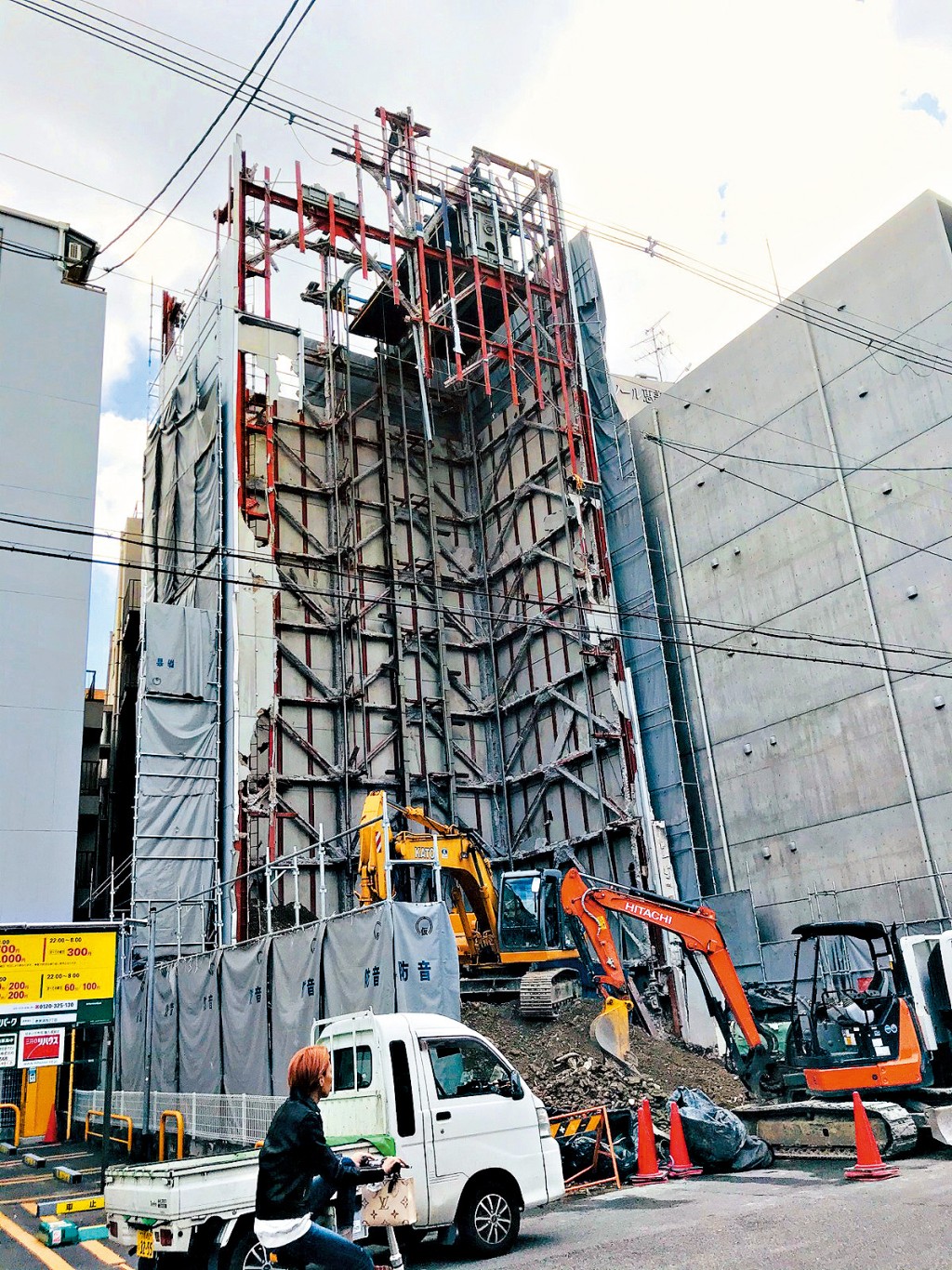
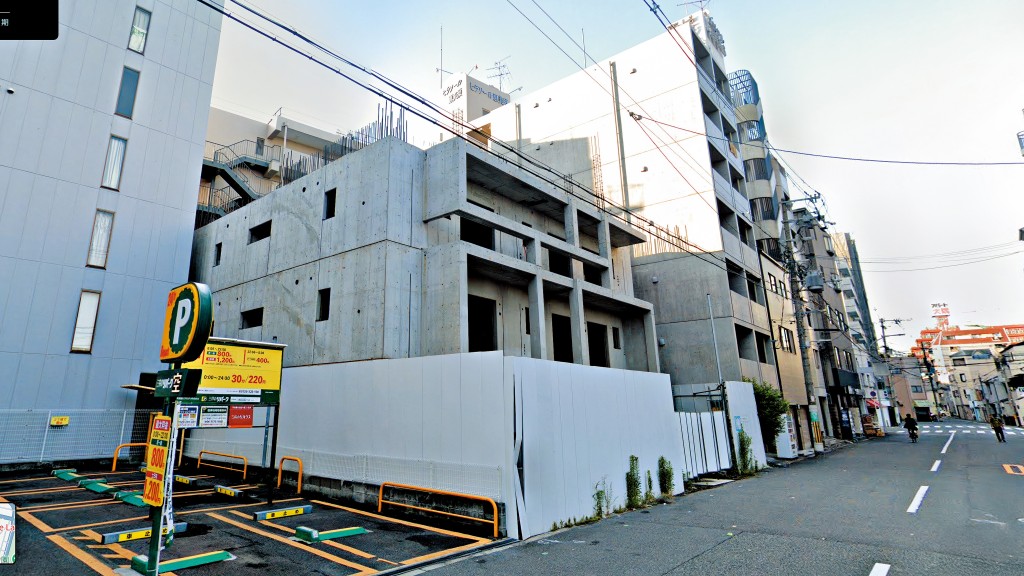
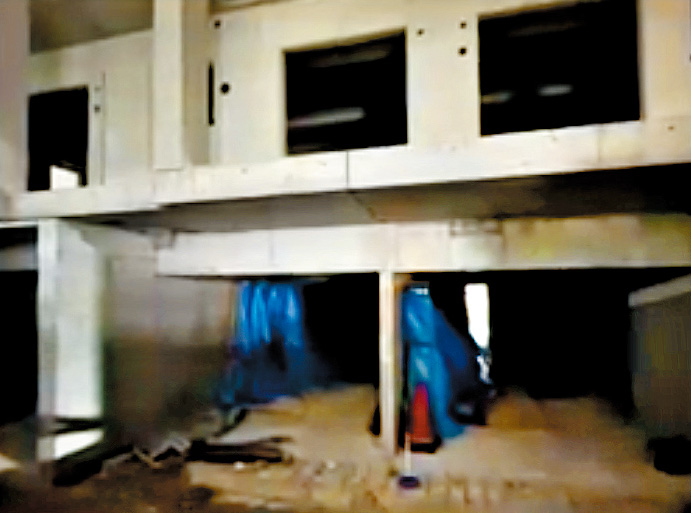
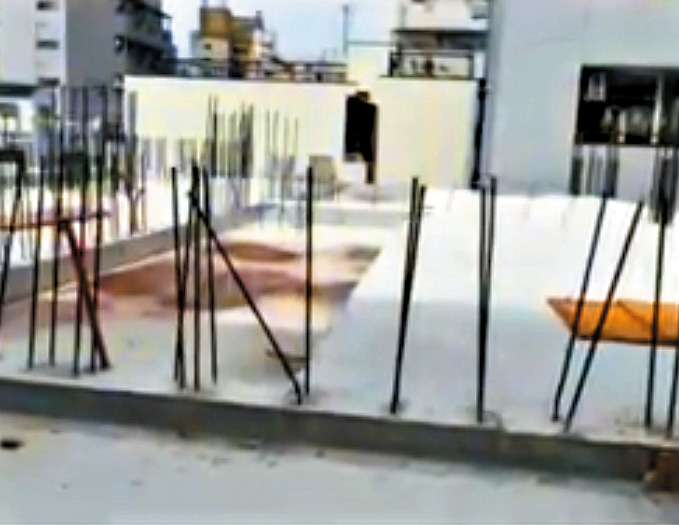
An East Week reporter visited the Osaka Prime development site last Wednesday (July 16) and found that the previously stalled project has since seen the construction of a roughly ten-story apartment building. Investigations by East Week confirmed that the development was marketed in Hong Kong by the“Hong X”agency, which claims to specialize in overseas properties. Notably, when "Hong X" promoted the pre-sale units, the old building on the site had not yet been demolished.
Further investigation revealed that the same real estate agent was involved in a separate case in 2018, where it marketed properties on behalf of the developer team JAB Property. In 2024, JAB Property announced that the agent had permanently ceased operations.
What You Need to Know Before Investing in Japan
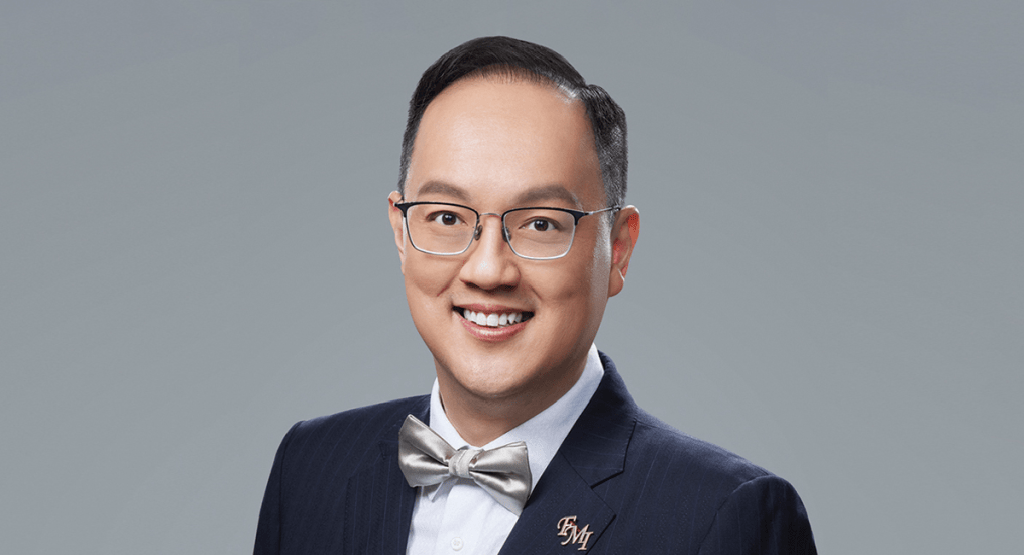
FMI Investment Group CEO and Partner Amous Lee Tarn Siong, who has experience as a property developer in Japan, says that Hong Kong buyers typically target properties priced between HKD 1.5 million and 3 million, with Osaka emerging as a popular hotspot in recent years.
Q: What should buyers watch out for when purchasing property in Japan through a Hong Kong agent?
A: Confirm if the property is brand-new or a renovated unit. New builds are pricier but usually meet earthquake-resistant standards. Renovated units may not qualify for earthquake insurance, and owners could face repair costs after quakes. Also, verify that the agent has a valid local license and a good reputation.
Q: Can Hong Kong buyers get a mortgage?
A: Yes, the process is the same as for locals. After signing the contract and paying a deposit, buyers can apply for a mortgage. Loan-to-value ratios vary: up to 70% for new builds; 50% for renovated units built between 1983 and 2011; older properties may not qualify.
Q: What should buyers do if they encounter an unfinished building or problematic tenants?
A: Research the developer’s background and monitor progress closely. If construction stalls, buyers can pursue legal action for compensation or contract termination. Japan’s tenancy laws are strict; landlords can seek eviction orders and work with property management to resolve disputes.