The government announced on Wednesday the toll for the soon-to-open Central Kowloon Route will be set at HK$8, a reduction from the previously anticipated toll of HK$10.
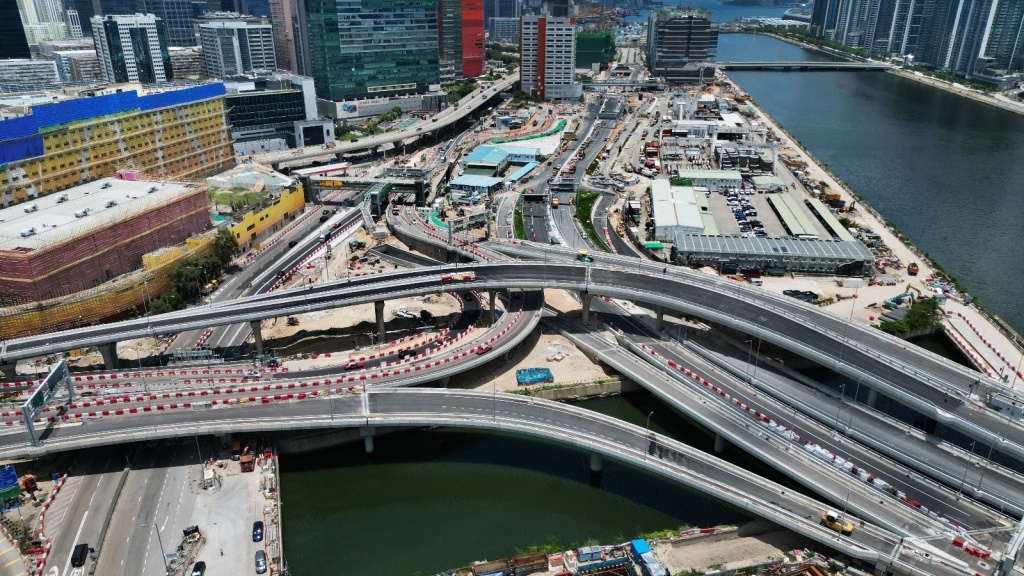
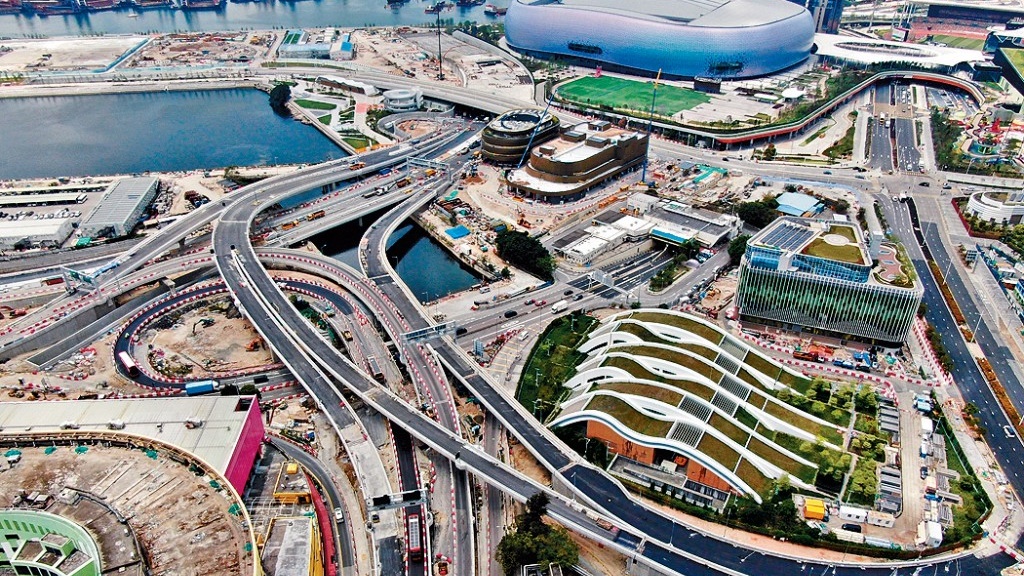
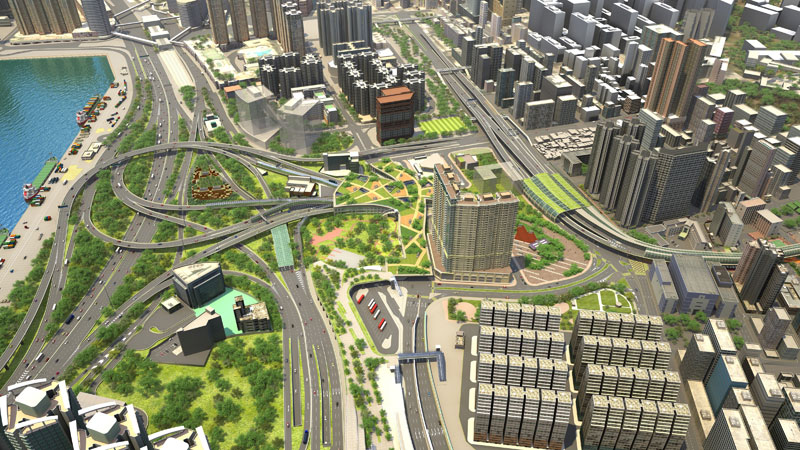
The 4.7-kilometer expressway – significantly larger than the Central-Wan Chai Bypass – remains on track to begin operations by year-end.
The last-minute adjustment came after political consultations, with authorities aiming to balance cost recovery with public acceptance.
"Taking into account the views of the Legislative Council Panel on Transport and the community, and in order to attract more motorists to use the bypass and hence achieve an effective traffic diversion, the government is proposing an HK$8 toll," according to the government statement.
It noted that the proposed toll level will effectively divert approximately 20 percent of the overall traffic from saturated major roads in Kowloon, while reserving about 15 percent of spare capacity of the Central Kowloon Bypass to accommodate future traffic growth.
"It will also recover nearly 80 per cent of basic operational costs; and according to the efficiency-first principle, the fees payable by commercial and public transport vehicles will be consistent with the moderate toll charged for smaller private cars."
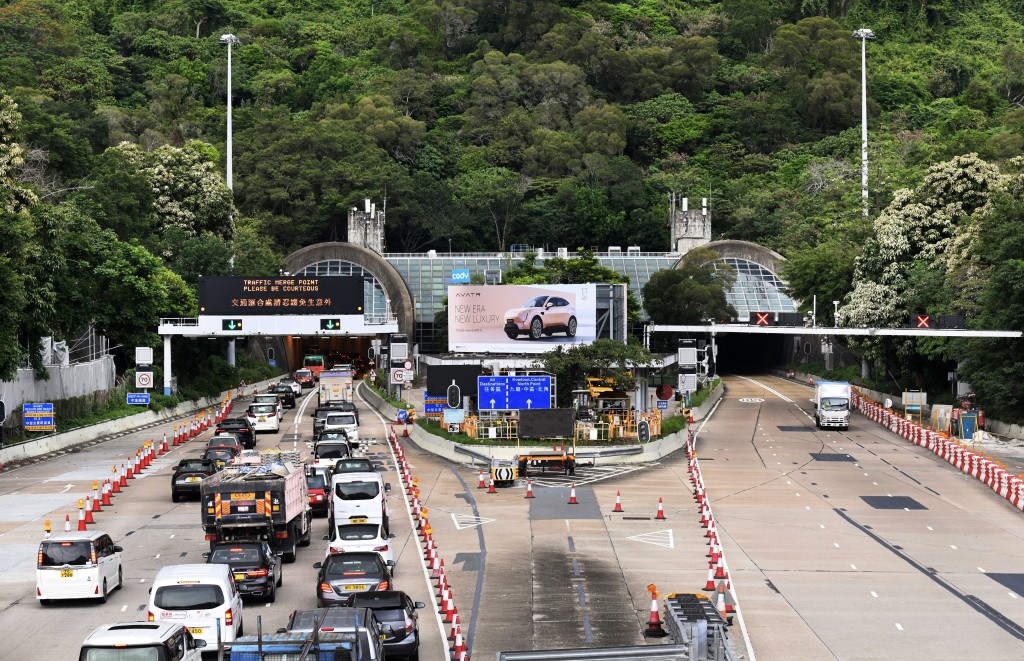
As for the Aberdeen Tunnel and the Shing Mun Tunnels, the tolls will be raised from HK$5 to HK$8 after a review conducted by the Transport Department.
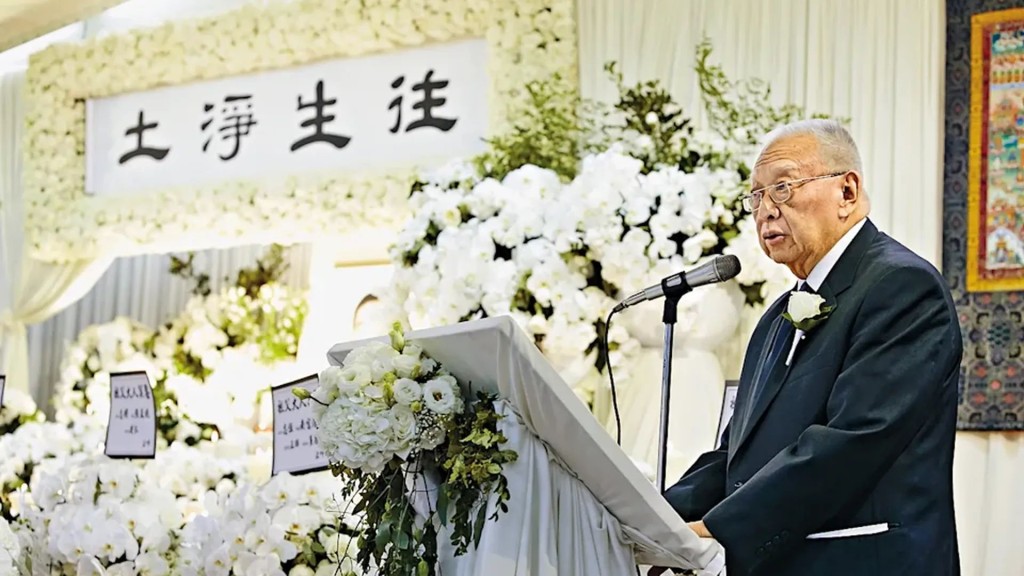
Speaking before the tolls adjustment announcement, Roundtable lawmaker Michael Tien Puk-sun said the HK$8 pricing aligns tolls across three major routes, "Now we have HK$8 for Central Kowloon Route, Aberdeen Tunnel and Shing Mun Tunnel – an auspicious triple-eight combination that's easy to remember," Tien quipped, acknowledging the compromise helped "all parties save face."
The Transport and Logistics Bureau had initially proposed three scenarios for the Central Kowloon Route: free passage, a flat HK$10 fee, or a premium HK$17 rate.
Their original HK$10 projection estimated annual revenue of HK$257 million – enough to cover partial operating costs while maintaining spare capacity for future traffic growth.
Meanwhile, lawmaker Ben Chan Han-pan, a member of the Legislative Council's transport panel, welcomed the revision as evidence of constructive government-legislature engagement.
He believed that officials genuinely considered lawmakers' input and traffic data before agreeing to the reduced rate, which still meets cost-recovery principles.
(Updated at 3.33pm)