The 5th World Shiology Forum, set for October in Hainan, will convene global leaders to address pressing challenges in food systems through the innovative “Shiance” framework. The conference will emphasize collaborative mechanisms, systemic solutions, cultural heritage, and best practices in sustainable governance, aiming to align food systems with global sustainability goals.
UN and Shiology: Advancing Sustainable Development
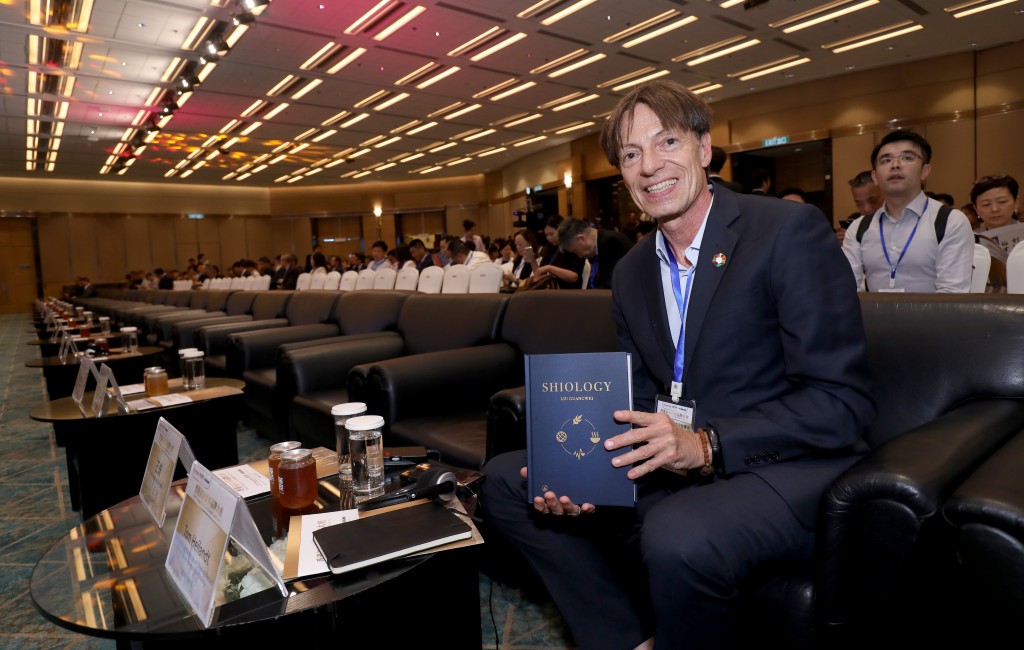
In 2015, the United Nations adopted the 2030 Agenda, outlining 17 Sustainable Development Goals (SDGs) to tackle urgent global issues. Tom Dietmar Heilandt, former Secretary-General of the Codex Alimentarius Commission, underscored that achieving most SDGs hinges on transforming food systems and most SDGs cannot be reached without addressing food and eating. “Food and eating are central to sustainable development,” Heilandt highlighted the role of Shiology, an interdisciplinary field pioneered by Liu Guangwei, Chief of the Academic Committee of the World Shiology Forum and creator of the Shiology Science System. Shiology aims to empower communities worldwide to “eat well, eat sustainably, and live long.”
Shiology, derived from the Chinese character “shi” (food and eating), integrates three core dimensions: the eater (individual and collective dietary behaviors), the food (products, supply chains, and ecological impacts), and the food order (institutional, cultural, legal, and policy frameworks). Heilandt explained that by engaging all five senses—smell, taste, feeling of it, looking of it and the sound that it makes when we chew. It also brings pleasure of eat and pleasure of cook together for people. Shiology fosters a holistic understanding of food systems, promoting healthier and more sustainable eating practices.
Cultural and Nutritional Insights
Shiance refers to the human activities and phenomena related to food acquisition and utilization. Heilandt noted that traditional cooking methods, often tailored to local populations, are nutritionally robust but require systematic study. Shiology facilitates such research, positioning China as a leader in building frameworks for sustainable food systems. “Shiology exemplifies a shared vision for humanity’s future,” Heilandt said, emphasizing its potential to drive global collaboration and . nobody can do this alone. He stated that now is the time for bold thinking and creative partnerships—coalitions for humanity and the planet.
The forum will launch the “Global Food System and Sustainable Development (SDG) Report 2025,” authored by over 100 contributors from more than 100 countries. Spearheaded by the Shiology Research Center at Renmin University of China, in partnership with the China Economic Research Institute and the Secretariat of the World Dietetics Forum, the report will feature holistic solutions and showcase 100 ESG-certified sustainable food brands. Accompanying case studies will highlight private-sector innovation and responsibility, with impacts projected to extend beyond 2030.
This year’s theme, “Addressing Facts in Sustainability through Shiology,” encourages sustainable eating to promote longevity and environmental health. Formerly the World Dietetics Forum, the event has grown over four editions, with “Shiance” encapsulating activities and phenomena tied to food production and consumption—fundamental to human survival.
Branding and Education for Change
Heilandt emphasized branding as a key component of Shiology’s outreach. Some companies have reformulated products, such as reducing sugar content, to align with good practice goals. “Collaborating with brands leverages their marketing expertise to promote Shiology’s principles,” he said, expressing optimism about engaging forward-thinking companies.
The 2021 United Nations Food Systems Summit (UNFSS) underscored the need for a fundamental shift in how the world produces, consumes, and perceives food. Heilandt advocated integrating food education into school curricula alongside core subjects like reading, writing, and arithmetic to foster early awareness of sustainable practices.
Liu Guangwei’s Global Vision
Liu Guangwei, the architect of Shiology, highlighted the forum’s role in uniting representatives from government, academia, business, finance, charity, and media to address critical issues like food security, hunger, malnutrition, food waste, climate change, and systemic inequality. The signing and publication of the 2025 SDG Report will mark a milestone, offering actionable strategies for global food system transformation.
The forum’s Shiology framework moves beyond fragmented analyses by integrating culture, ethics, and interdisciplinary perspectives. Its triadic approach—eater, food, and order—provides innovative solutions to complex challenges, fostering resilience and equity in food systems.
Global Collaboration and Gastronomy Showcase
With less than five years until the 2030 SDG deadline, Liu emphasized that ongoing reports will support the UN’s post-2030 framework, ensuring sustained progress in global food systems.
The Hainan Provincial Government will support the forum as a high-level platform for global dialogue and a “living laboratory” for food system transformation. A “30-Country Gastronomy Showcase Week” will feature renowned chefs from 30 nations, offering live demonstrations, tastings, and cross-cultural exchanges to promote culinary diplomacy. This event will highlight the intersection of gastronomy and sustainability, fostering international collaboration.