Read More
ReutersThe move follows on rules issued last year by state planner the National Development and Reform Commission to strengthen the integration of new energy vehicles with the grid amid concerns the rapid adoption of EVs would overwhelm the generation and transmission systems.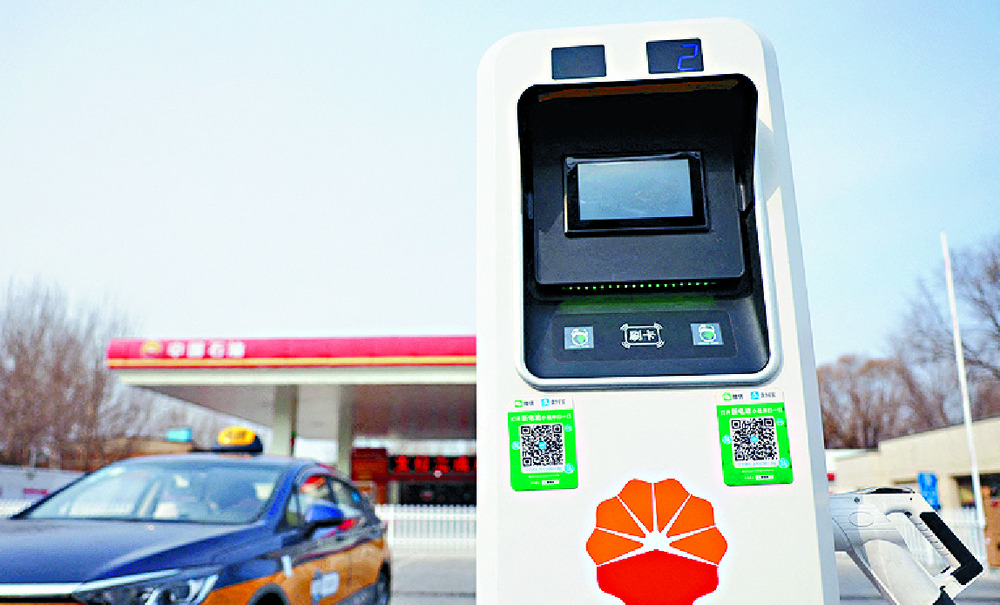
China plans to launch pilot projects in nine cities that would use the country's growing fleet of electric vehicles as batteries to shore up power supply on the grid during spikes in demand, according to a government announcement yesterday.
ADVERTISEMENT
SCROLL TO CONTINUE WITH CONTENT
The majority of the 30 projects in cities including Beijing, Shanghai, Shenzhen and Guangzhou are vehicle-to-grid or V2G.
Cars would act as batteries, storing power and sending it back into the grid. Grid-connected cars could also adjust their charging times to avoid peak periods and provide critical services such as frequency regulation.
Providing those services could potentially become an alternative revenue stream for homeowners or operators of charging stations.
According to the notice, power grid companies are responsible for setting up the pilots, and provincial governments should lead the development of charging facilities. The energy regulator is tasked with supporting the participation of grid-connected vehicle applications in power trading.Last year, NDRC said it would set up over 50 pilot programmes by 2025.
However, industry experts say there are a range of hurdles to overcome before the large-scale adoption of V2G, such as developing viable business models. NDRC also said in the 2024 rule that battery technologies need to be improved.Chinese electric vehicle battery giant CATL will join hands with state-owned oil giant Sinopec (0386) to build 10,000 battery swap stations, Xinhua news agency reported on Wednesday.
As part of a strategic deal signed in Beijing, the two companies will build at least 500 battery swap stations this year, according to the report, without giving the timeline for the long-term goal of 10,000 such stations.The partnership will be based on CATL's "choco-swap" battery swapping and Qiji chassis battery-swapping solution to "break through the driving range bottlenecks of passenger vehicles and heavy-duty trucks," per the statement.
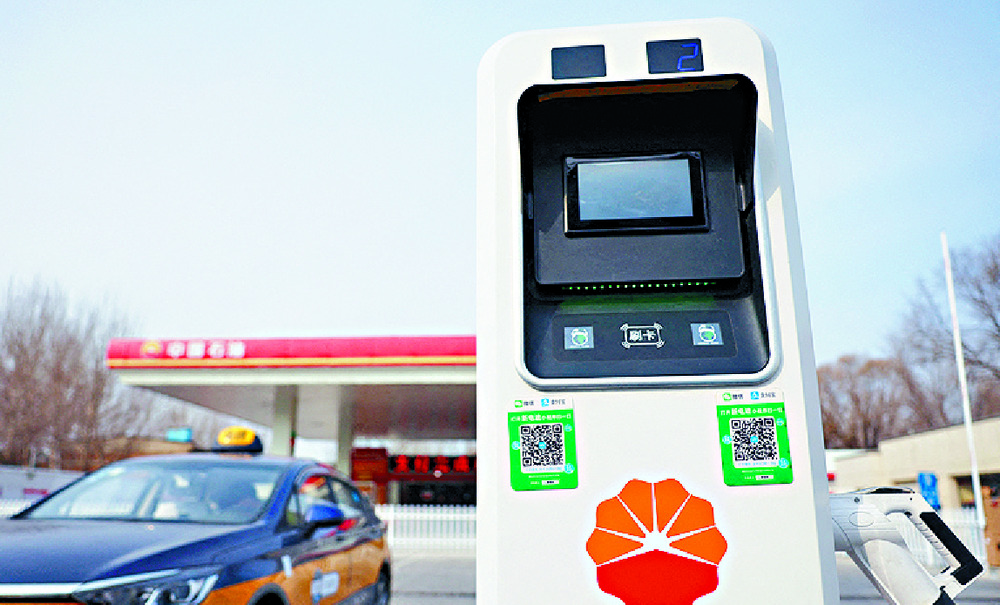
A PetroChina EV charging station stands next to its gas station in Beijing. REUTERS