Read More



Transport chief takes a back seat on fining transit nuisance behavior
14-10-2026 18:09 HKT
China's exporters have disrupted world trade with their distinctive competitive ethos - to win at all costs - that's come to be known as involution in the mainland.
Last month, European, Canadian and American business and trade officials got together in a huddle in Brussels to discuss ways to tackle "global non-market overcapacity."
The US slapped 100 percent tariffs on Chinese EVs in September, and Canada followed suit in October to the dismay of the Electric Vehicle Association of Alberta, which said that while the government is trying to encourage Canadians into EVs, it was closing doors to a "high-quality, low-cost option."
Canada has also slapped a 25 percent tariff on Chinese aluminum and steel, US president-elect Donald Trump is threatening "an additional 10 percent tariff, above any additional tariffs" on all imports from China, which were worth US$427 billion (HK$3.3 trillion)last year, after previously touting a tariff in excess of 60 percent, and Turkey has a 40 percent tariff on Chinese EVs in place.But while the West frets and fumes about the existential threat to their own manufacturers, their consumers have been embracing cheap Chinese goods with great fervor, as data shows.
ELECTRIC REVOLUTIONInvolution has become a catch-all term to describe price wars, unhealthy competition, overcapacity, deflation, the 996 culture of working from 9 am to 9 pm six days a week, fewer career prospects and even the grueling education system that burns out youngsters.
China is well aware of that oversupply and price wars are fueling deflationary risks, and its leaders have repeatedly urged manufacturers and retailers to "avoid the vicious competition of involution."Perhaps no other industry epitomizes excessive involution in China better than green energy, with manufacturers of electric cars, solar panels and batteries producing more than what the market needs and selling excess stock overseas at dirt-cheap prices.
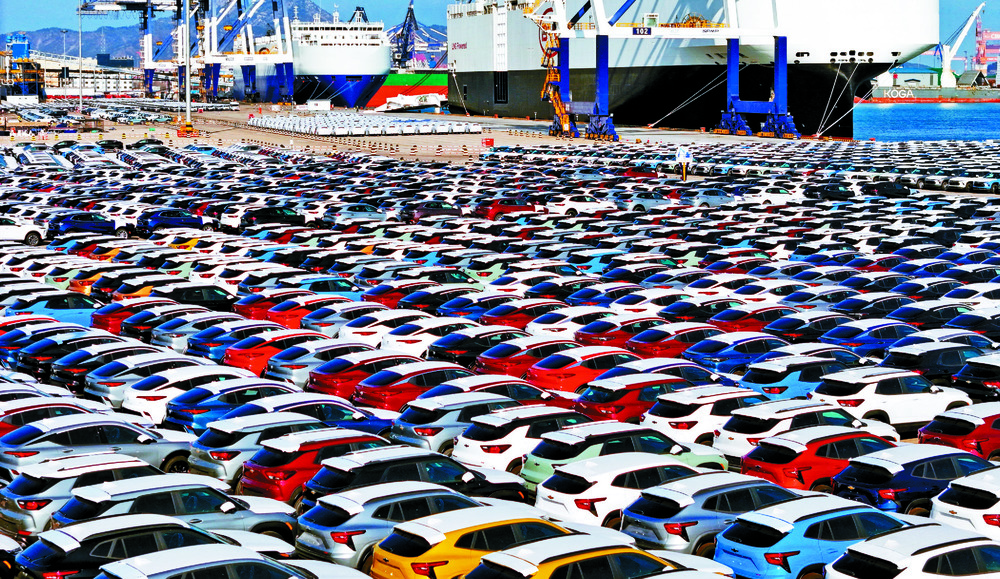
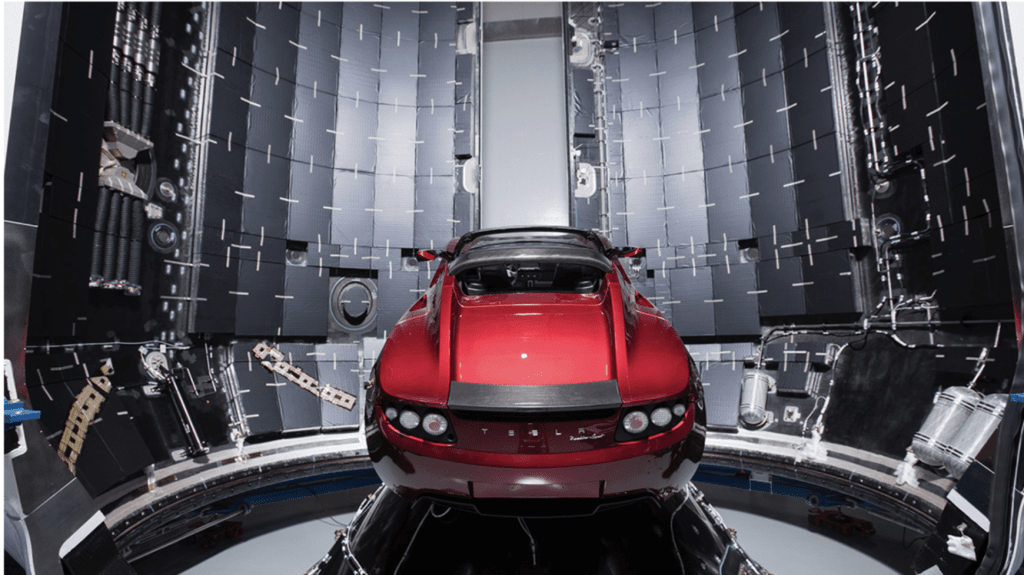
Chinese EV makers are engaged in a bruising price war at home and 80 percent of the 118-odd brands are likely to fall by the wayside by the end of the decade, according to AlixPartners.Around 11 EV majors including SAIC, Chery, BYD (1211) and Great Wall Motor (2333), meanwhile, are battling for dominance in Europe by offering cars at much cheaper prices than local manufacturers.
The average price of a European-made battery EV was around EUR47,000 (HK$385,000) in 2023 while the average cost of a feature-packed Chinese EV was a tad under EUR30,000.Chinese battery EV exports into the EU grew by nearly 1,700 percent between 2020 and 2023, with sales worth EUR11 billion last year, according to a report titled "The EU's drive on China: What EV tariffs mean for Europe," published by the Centre for European Reform, a think tank. One of the reasons behind the phenomenal success is that Europe's consumers are increasingly opting for Chinese EVs as they are "more affordable - yet technologically competitive," according to the report's author, CER associate fellow and economist Anton Spisak.
The report also states that it remains to be seen whether the tariffs will impact prices or make Europe's EV sector competitive, and warns that EU consumers will be "left in the backseat."China's EV firms have also taken their price war to Thailand, where they dominate 80 percent of the market, with Great Wall Motor slashing prices by 18 percent in October and Changan retaliating with a whopping 20 percent cut in November. BYD already has a plant in Thailand and SAIC Motor, Great Wall Motor, Neta, Aion and Chery are all following suit.
BYD, MG, Guangzhou Automobile (2238), Seres, Neta, and BYD's Denza have also opened shop in Hong Kong.Everbright Securities International securities strategist Kenny Ng Lai-yin is not too worried about US EV tariffs as China barely sells any electric cars in America.
He worries more about the EU hiking EV tariffs by up to 47.6 percent, negotiations for which are still ongoing, but believes exporters will continue their overseas push amid China's economic slowdown.However, EVs made by some Chinese firms are expected to remain cost-competitive despite the higher taxes, thanks to their better control of the supply chain and technological innovation, says UBS Investment Bank's head of Internet research in China Kenneth Fong Kam-chung.
Also, plants set up outside China would help avoid higher tariffs, such as those set up by BYD and Nio (9866) in Hungary.However, these investments are not without risks: last month, Leapmotor (9863) halted production of a second EV model with partner Stellantis in Poland after Beijing told automakers to halt investments in European states that backed the higher tariffs.
CHARGING AHEADChina dominates the global battery market with the value of exports rising by 28 percent to US$65 billion in 2023 from a year earlier.
The EU claims that Chinese EVs benefit from cheap subsidized batteries and France, Germany and Sweden are urging the new European Commission to nurture the battery sector and avoid being over reliant on China.Now, the higher tariffs could force Chinese battery firms to accelerate their expansion overseas, with battery giant CATL building a second European factory in Hungary.
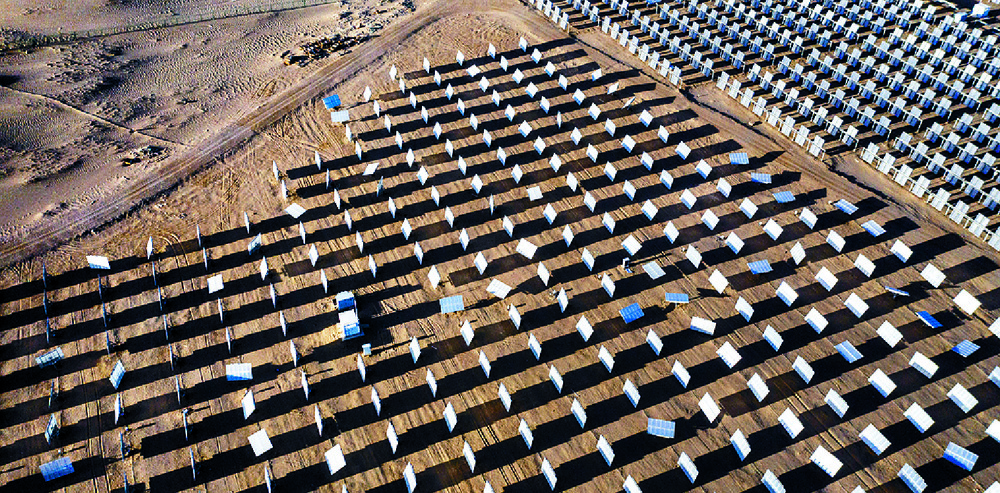
China also commands a 98 percent share of the EU solar panels market, with the EU importing EUR19.7 billion worth of photovoltaic panels from China in 2023.The EU and US accuse Beijing of subsidizing the industry and flooding the world with cheap solar exports, which were worth a record US$49 billion to China last year.
In response, the US has doubled tariffs on solar panels to 50 percent while the EU is probing the alleged subsidies.The mainland's solar market, however, remains awash with overcapacity and cut-throat price wars have led to a wave of closures, with new solar projects diving by 75 percent in the first half of the year.
CONSUMER CONQUESTSChinese food, phone and fashion exporters are also flattening the competition overseas.
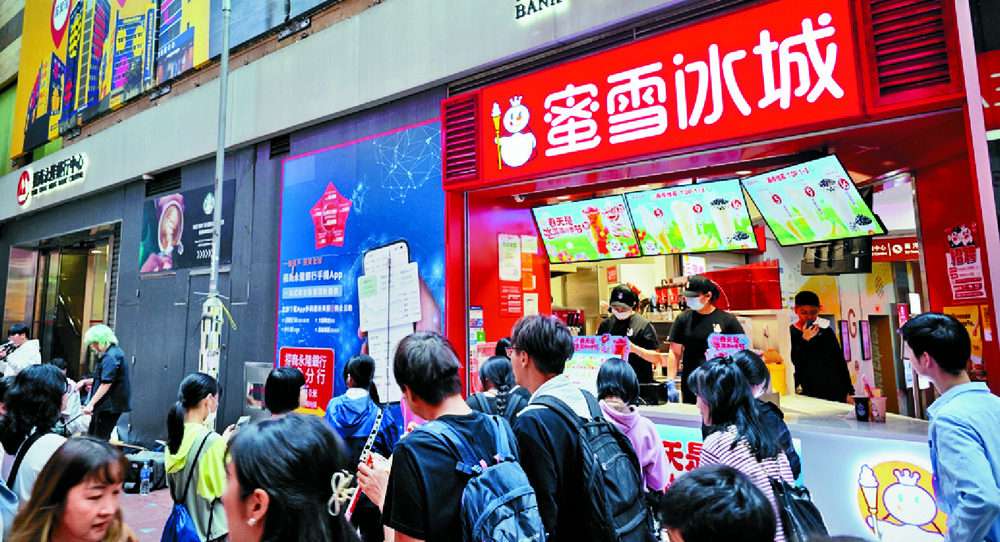
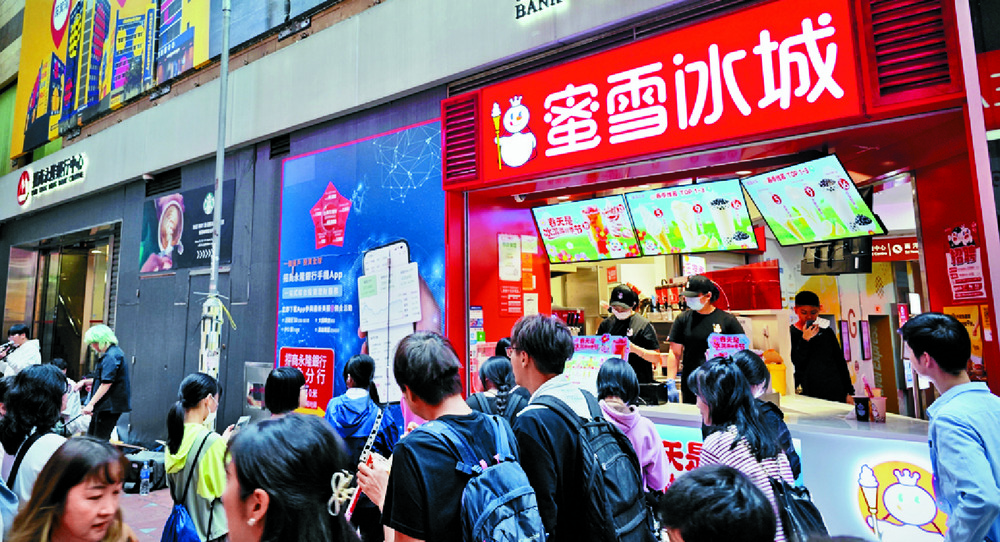
After beating Foodpanda and Deliveroo in Hong Kong in 10 months flat, food delivery giant Meituan's (3690) Keeta has now entered Saudi Arabia and aims to expand into Bahrain, the UAE and Jordan.Luckin Coffee, which beat Starbucks in the mainland with 9.9 yuan (HK$10.5) coffee coupons, is opening three stores in Hong Kong while bubble tea giant Mixue Bingcheng selling desserts and beverages at prices ranging from HK$9 to HK$20 compared to market rates of HK$25 to HK$46.
Mixue is now the largest beverage chain in Vietnam with 1,000 stores and has also swept through Indonesia and Laos.Among phone manufacturers, Oppo is boosting production as it set sights on South America. It was the top smartphone brand in Indonesia in July-September quarter with a 22 percent market share and the No 2 brand in India with a 13.9 percent share over the same period, data from Canalys and IDC reveal.
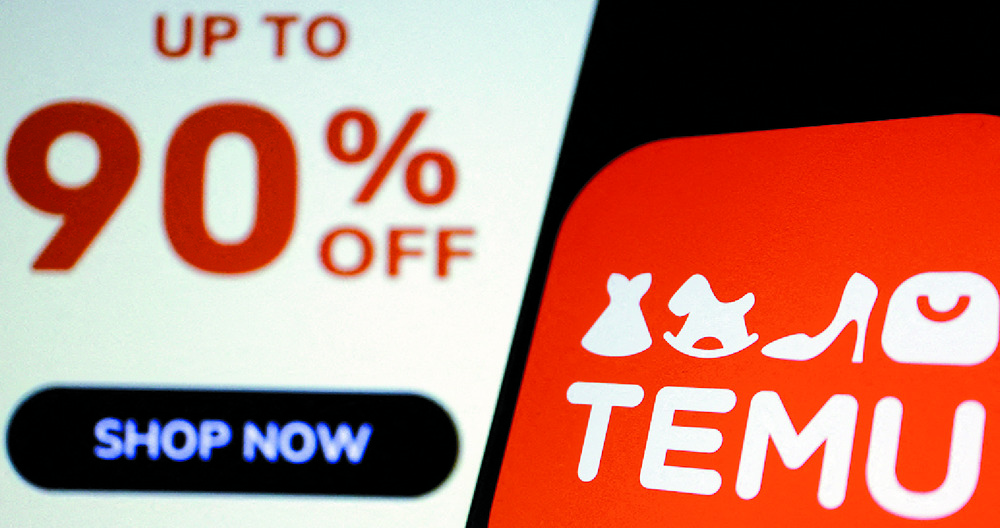
Meanwhile, the EU is targeting Chinese online retailers like Temu and fashion giant Shein, who have won over European buyers en masse in the absence of taxes on low-cost imports, and wants to scrap all exemption for packages valued at below EUR150 from 2028.ADVANTAGE CHINA
Hong Kong Baptist University associate professor Billy Mak Sui-choi believes Chinese exporters should focus more on markets without trade barriers.There are more than 150 nations outside of the EU and US, he points out, adding that feature-laden Chinese EVs hold the edge as they offer more bang for the buck.
Morgan Stanley's chief China economist Robin Xing Ziqiang says overseas expansion can only ease part of the pressure on China's manufacturers, as markets such as South East Asia are not as large as mainland China's. Nevertheless, he believes Chinese enterprises will continue to expand overseas for survival.The Mercator Institute for China Studies last month released its Global China Competition Tracker, tracing the various measures taken by some of the world's 50 largest economies over China's exports.
While many had curbs in place ranging from moderate to strict, it also showed, perhaps unsurprisingly, that developed nations like Australia and New Zealand and developing ones like Bangladesh and Tanzania were "doing little or nothing and instead embracing the cheap goods that China's overcapacities and subsidies bring to their economy."China may be locked in a vicious cycle of increasing output and diminishing returns, but with its exporters showing no signs of slowing down, and buyers across the world voting with their wallets in favor of their staple of Chinese cars, smartphones and consumer goods, it will perhaps take a lot more than tariffs and trade wars to wean the world off Made in China, at least in the foreseeable future.