Read More








ImmD crackdown targets moonlighting domestic helpers arresting 17
19-05-2026 17:52 HKT

One dead, four injured in Jordan flat fire, 200 residents evacuated
22-05-2026 00:48 HKT
The yuan slumped to a one-month low past the psychologically important 7.1 per US dollar level yesterday, dragging stocks down in Hong Kong and China.
Some investors turned to utility shares, amid the decline, with CK Infrastructure (1038) rising 1.7 percent to be the best-performing blue chip.
The slump came as the US dollar strengthened on expectations that the US Federal Reserve will announce a moderate rate cut next month.
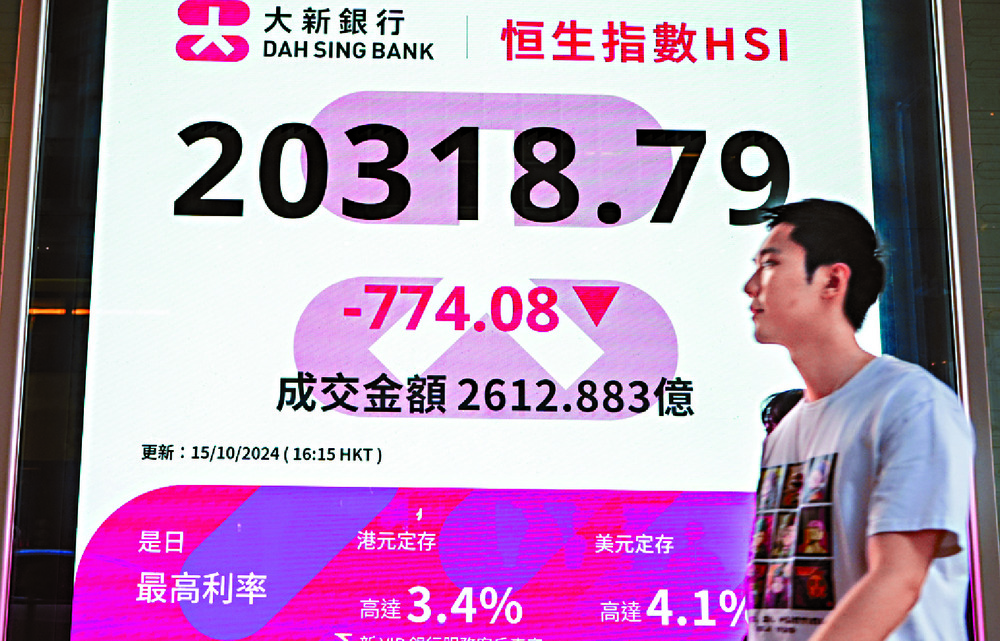
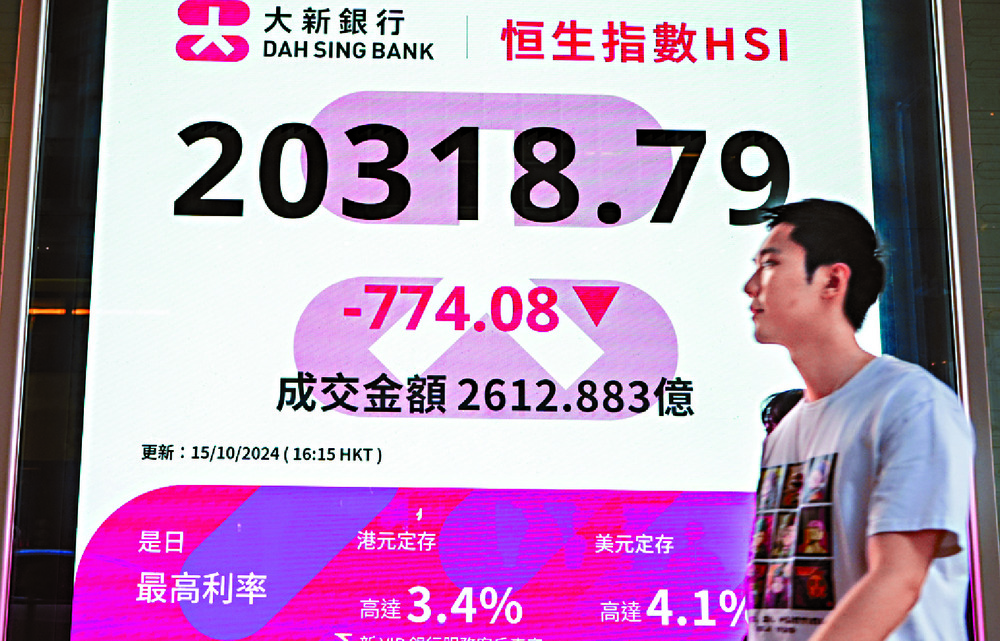
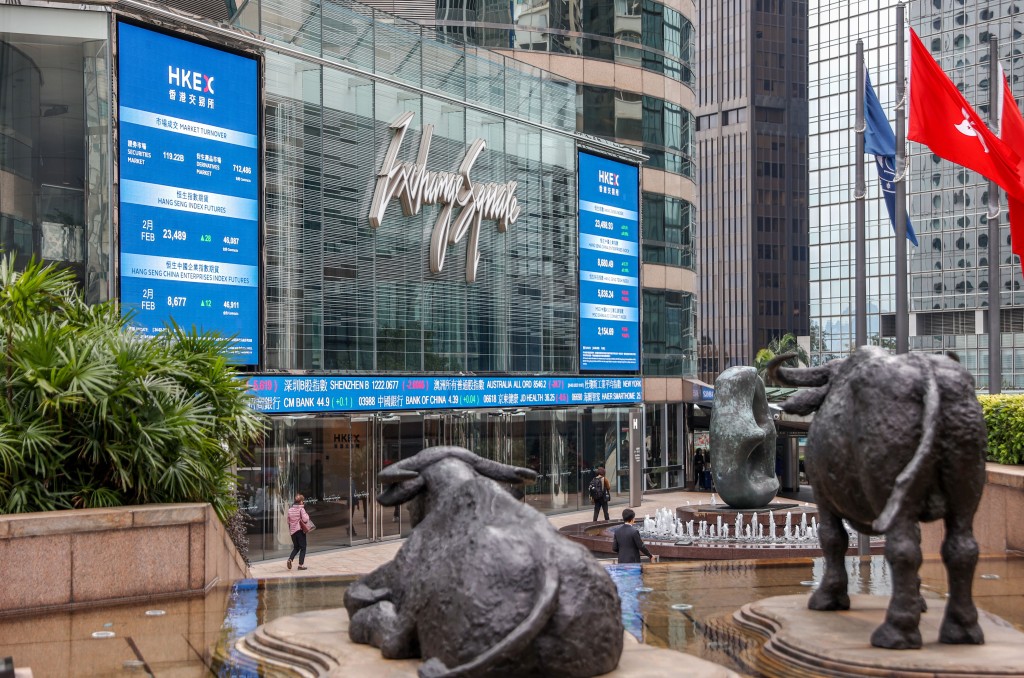
In Hong Kong, the benchmark Heng Seng Index plunged by as much as 938 points in afternoon trading before paring some of its losses to close 3.67 percent or 774 points lower at 20,318 points.The main board's turnover shrank for a fourth trading day to HK$261.3 billion.
Mainland insurers including Ping An (2318) dipped despite reporting increases in policy premiums for the first nine months of the year.HKEX fell 5.2 percent, while Alibaba (9988) fell below HK$100 following a 5.1 percent slump.
JD.com (9618) plunged 4.9 percent despite reports of significant growth for this year's Double 11 shopping gala, which kicked off advance sales on Monday.Stock markets in the mainland also suffered with the Shanghai Composite Index and the Shenzhen Composite Index each tumbling by 2.53 percent.
"Chinese shares have surged since the September politburo meeting on hopes that major fiscal stimulus may be on the way. A lack of details so far has disappointed some investors, so we eye policy announcements for more clarity," analysts at BlackRock Investment Institute, led by Wei Li, said in a research note.While Chinese equities bled, other Asian markets rose.
Taiwan stocks hit a new high in nearly three months, after the US Dow Jones Industrial Average and S&P 500 hit new all-time highs.Oil prices tumbled more than 4 percent to a near two-week low due to a weaker demand outlook and after a media report said Israel is willing to not strike Iranian oil targets, easing fears of a supply disruption.