Themis Qi
Tencent's (0700) first-half net profit surged 72 percent year-on-year to 89.5 billion yuan (HK$97.6 billion) on the continuous growth of the video games business, while the second-quarter revenues slightly missed market estimates.
The Chinese tech giant recorded revenue of 320.6 billion yuan for the first six months of the year, up by 7 percent from a year ago.
During the April-June period, the net profit beat expectations by soaring 82 percent to 47.6 billion yuan from a year ago, while revenue grew 8 percent to 161.12 billion yuan, missing the estimate of 161.35 billion yuan.
It comes as Tencent's major revenue contributor - domestic games - sped up recovery by increasing 9 percent year-on-year to 34.6 billion yuan during the second quarter, turning around from a 2 percent fall in the previous three-month period.
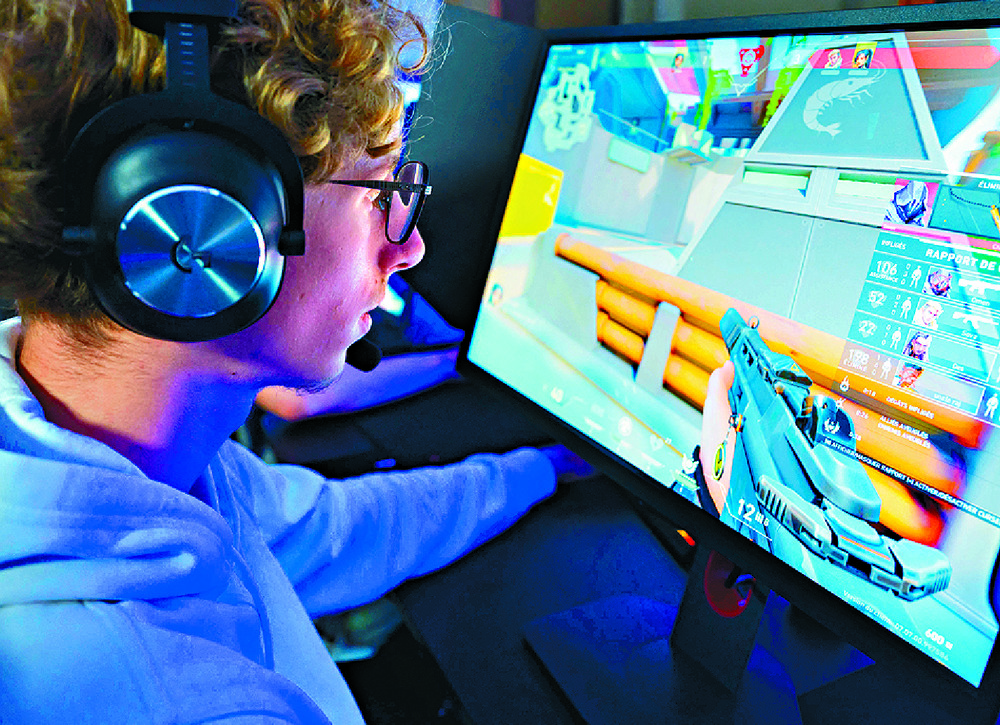
The recovery in the mainland market was driven by Valorant and the successful launch of DnF Mobile in May, the company said, adding that the gross receipts growth for the sector outpaced revenue rise.
Video game revenue from the international markets further climbed by 9 percent to 13.9 billion yuan from one year ago due to the flagship PUBG Mobile and Brawl Stars.
Boosted by the stronger demand for video games, the second-quarter revenue from value-added services grew 6 percent year-on-year to 78.8 billion yuan, in addition to the income from social networks, which expanded by 2 percent to 30.3 billion yuan.
However, revenue from online advertising increased by 19 percent from a year ago to 29.9 billion yuan during the second three-month period of the year, slower than the first quarter's 26 percent jump.
Tencent said the income from mobile advertising networks fell compared with a year ago due to the tightened budgets of certain internet services companies. The gains from fintech and business services rose by 4 percent year-on-year to 50.4 billion yuan for the second quarter, versus the 7 percent climb three months ago.
Fintech services revenue growth decelerated on weaker consumption spending and the stricter risk control measures, while business services posted a teen growth rate thanks to the rising demand for cloud services.
Tencent spent HK$52.3 billion in repurchasing 154.7 million shares in the first half, closing to its goal of HK$100 billion in buybacks this year.
Meanwhile, the company did not reveal any new repurchase plans in the latest announcement.
Valorant helped drive up mainland sales. Sing Tao