Read More





ImmD crackdown targets moonlighting domestic helpers arresting 17
19-05-2026 17:52 HKT

One dead, four injured in Jordan flat fire, 200 residents evacuated
22-05-2026 00:48 HKT
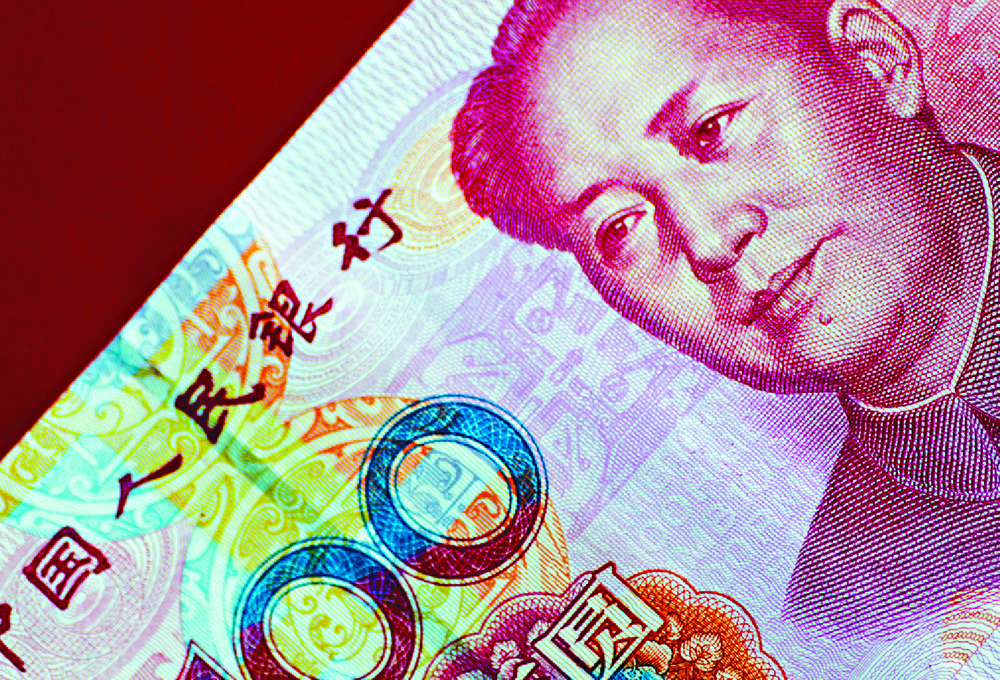
The cost to borrow the yuan in Hong Kong rose to the highest in almost two years, signaling its scarcity in the city - and reminding traders of a currency-strengthening tactic once employed by Beijing.
This came as the onshore yuan jumped on reports that Chinese authorities were considering a rescue package for its plunging stock markets and the yen attracted some dip-buying after the Bank of Japan maintained its ultra-easy monetary settings
The so-called overnight Hibor, a gauge measuring the cost for Hong Kong banks to borrow yuan from each other, climbed to a level unseen since April 2022 yesterday. One- and three-month tenors also climbed, to the highest since late last year.
The rapid increase mirrors the impact of intervention measures that China deployed in the aftermath of a yuan devaluation in 2015, which limited the supply of yuan in Hong Kong and squeezed short-sellers. Chinese banks' overseas units have been limiting their offers of yuan in the city recently as the currency hit the weakest since November, according to traders.
Officials may be wary that a stock-market selloff triggers a vicious cycle of rapid yuan depreciation and worsening capital outflows, exacerbating bearish investor sentiment.
Pessimism towards China's economy, struggling due to sluggish consumption and a prolonged property crisis, is so intense that a 2 trillion yuan (HK$2.18 trillion) rescue package is being considered to boost local equities, according to people familiar.
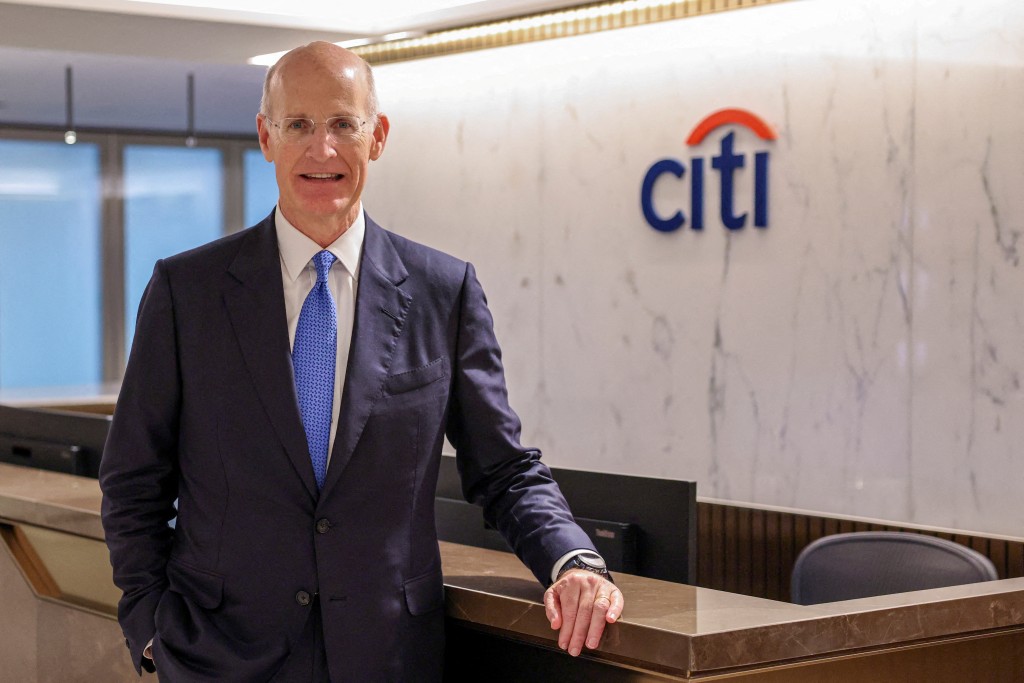
"Chinese banks might be squeezing funding costs to back the yuan, which tend to only back the yuan temporarily," said Stephen Chiu, chief Asian foreign exchange strategist at Bloomberg Intelligence. The impact may be "temporary only, as long as foreign investors' appetite for Chinese stocks remains subdued."
Still, on top of policy support, traders hoarding liquidity ahead of the upcoming Chinese New Year holiday and yuan bears exiting short positions in anticipation of a rebound could also be contributing to the surge in funding costs, said Zhou Hao, chief economist at Guotai Junan International in Hong Kong.
Overnight Hibor rose 55 basis points to 5.5 percent yesterday, while the one-month tenor climbed to 3.83 percent. The offshore yuan rose 0.3 percent to 7.17 per US dollar.
Elsewhere, the Japanese yen firmed as markets picked up signals that an end to its negative interest rate policy was approaching.