Read More
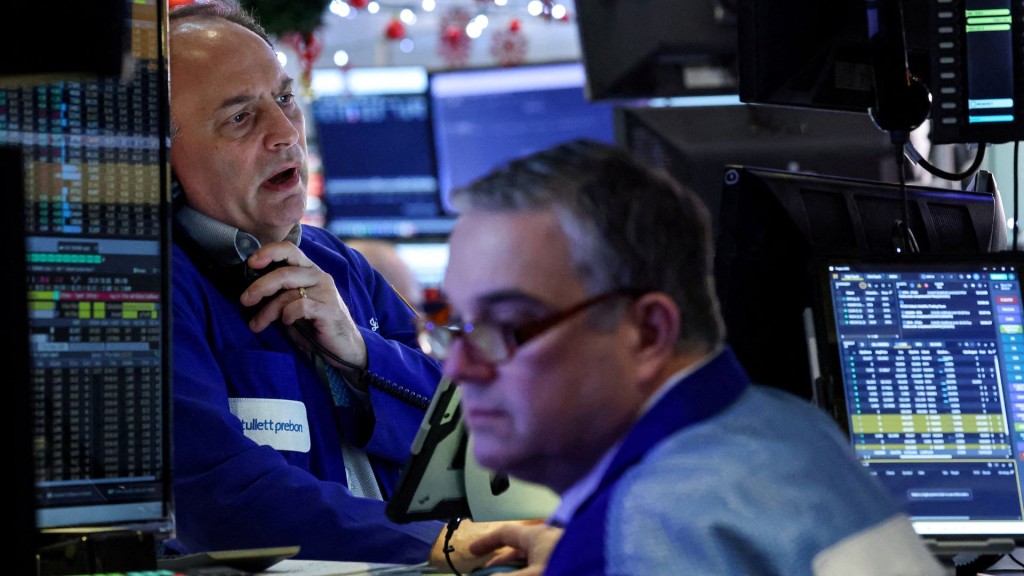



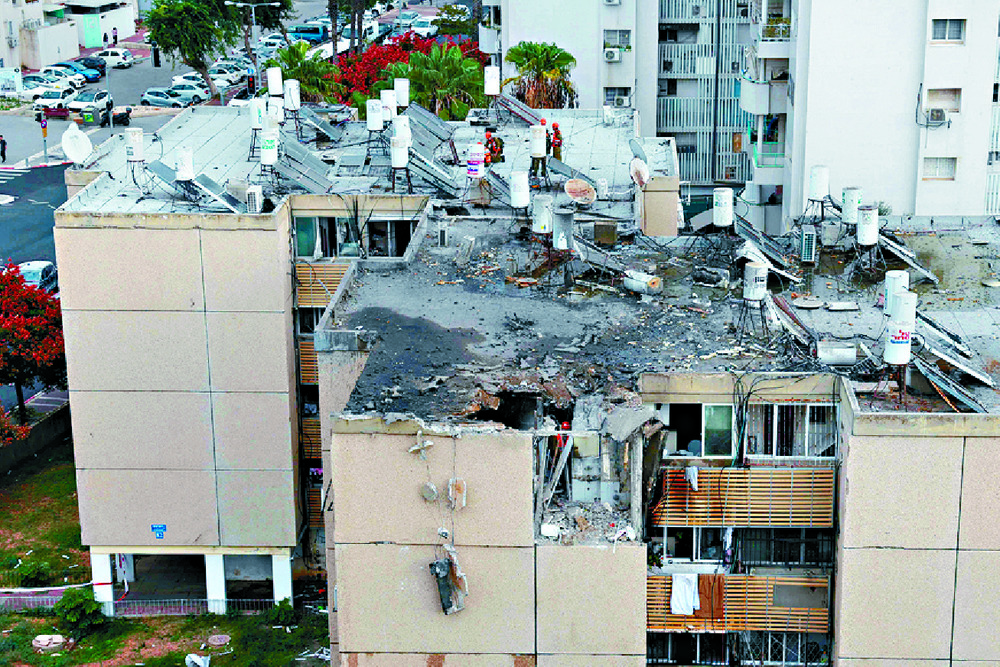
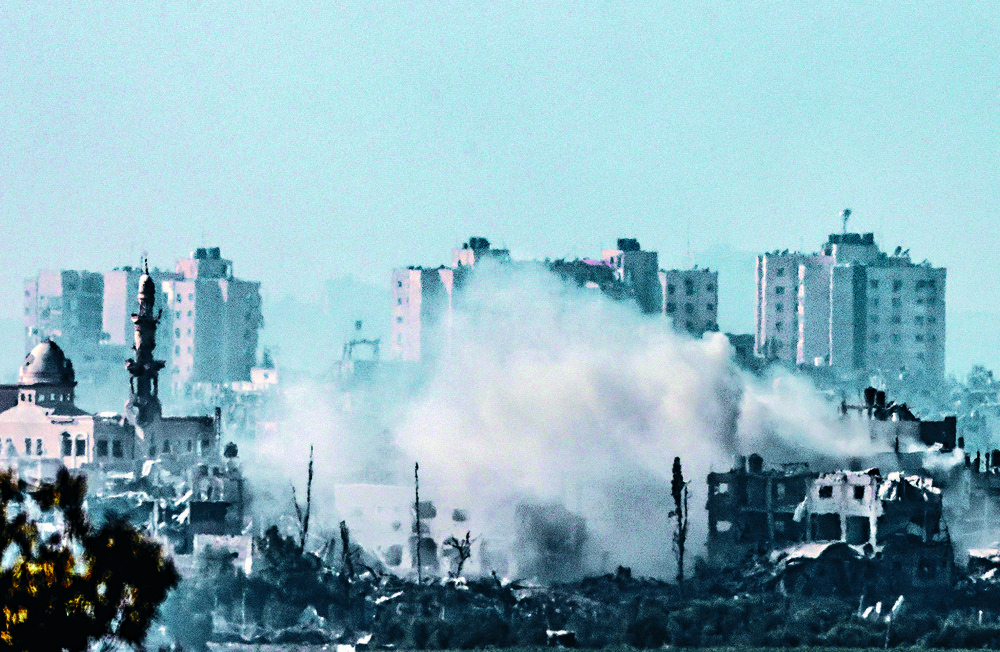
As the Israel-Hamas war enters its fourth week, fears are growing that the conflict in Gaza could engulf the oil-rich Middle East region and further rock global markets.
Oil prices spiked after the militant group attacked Israel on October 7, sparking the start of bloody conflict that has killed thousands and warnings from Israeli Prime Minister Benjamin Netanyahu of a "long and difficult war."
While the conflict could disrupt key transit routes of oil, possible tougher sanctions by the US on exports of oil from major producer Iran - due to its close links to Hamas and Lebanon's Hezbollah - could also strain the market.
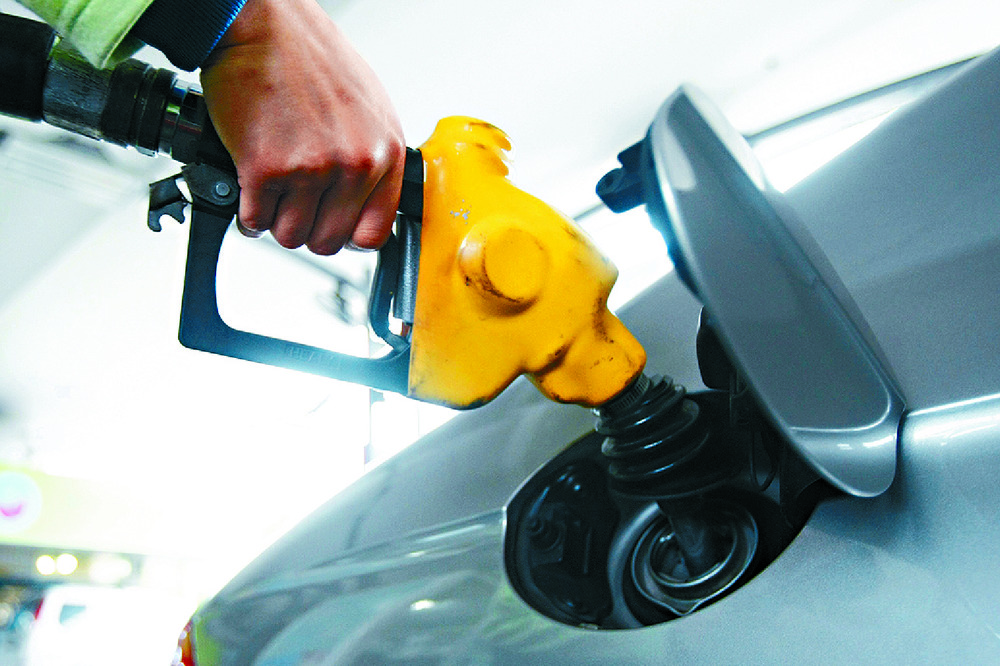
Brent crude peaked at US$92.38 (HK$720.50) per barrel on October 19, up by 9.3 percent since the conflict erupted, and though prices have eased amid hectic international efforts to contain the conflict, analysts predict they will remain elevated in the near term and that investors will flock to safe-haven assets like gold, US Treasuries and the greenback.
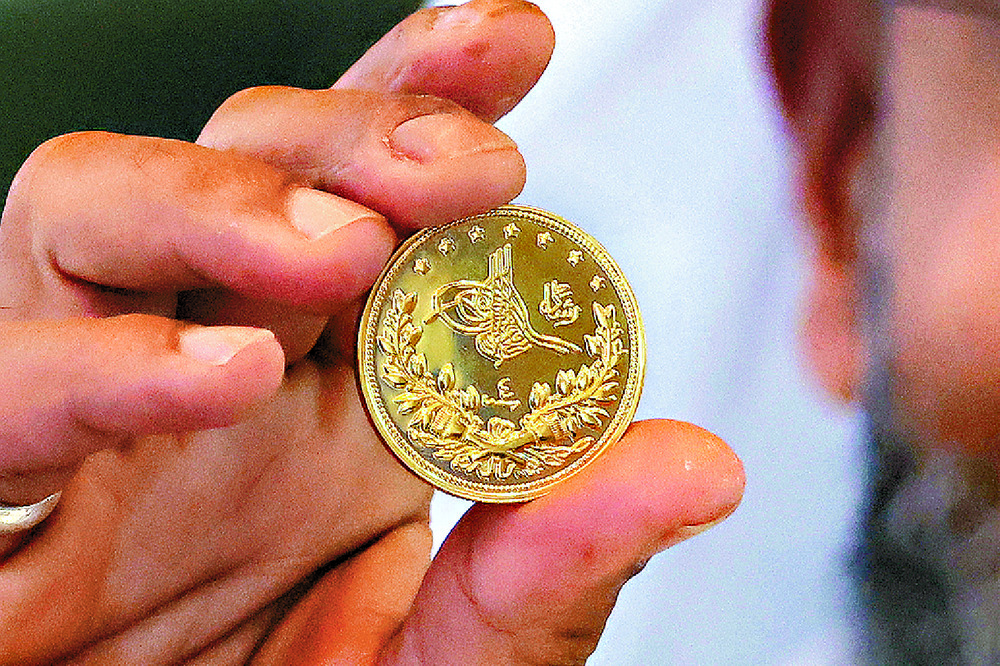
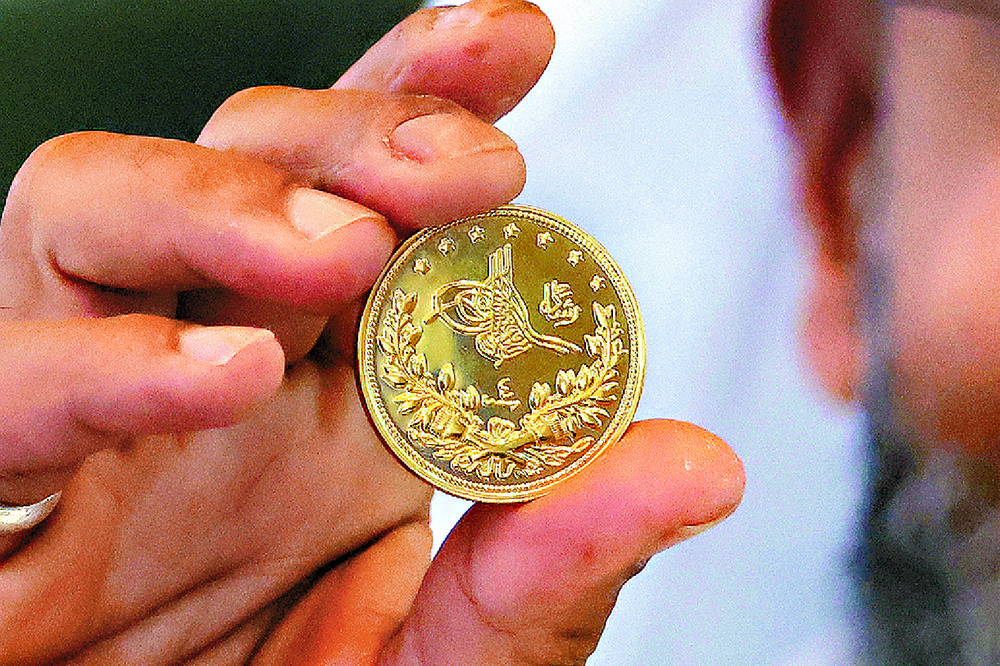
Three days ago, spot gold surged 1.2 percent past US$2,000 an ounce for the first time nearly six months to US$2,006, as Israel ramped up its attacks on Hamas.
The precious metal is up 9 percent since the war broke out and is set for its biggest monthly gain since July 2000. Its price hit all-time high of US$2,075.47 back in August 2020.
Higher prices for gold and oil will also boost the fortunes of gold and oil stocks, they say.
International Energy Agency executive director Fatih Birol believes the world is facing "a major geopolitical crisis in the Middle East that could shock oil markets once again and deeply, because many oil producing countries are in that region."
The Economic Intelligence Unit expects oil and gas prices to remain elevated at close to current levels for the rest of the year and into 2024, amid the war.
It expects oil to remain volatile and trade in a range of US$80-100, if the conflict is contained but it warns that if the war escalates into a wider regional conflict or threatens to disrupt shipping in the Persian Gulf and the Strait of Hormuz, prices will easily spike well above US$100."
Goldman Sachs maintains its forecast for Brent to reach US$100 by mid-2024 as the war may affect the normalization of ties between Israel and Saudi Arabia, and prevent the Saudis from lifting their production cuts earlier.
OIL HOTS UP
China's three oil majors - China Petroleum and Chemical Corporation (0386) or Sinopec, PetroChina (0857) and China National Offshore Oil Corporation or CNOOC (0883) - have fared well in the first half of this year and Morgan Stanley expects this trend will continue amid rising oil prices.
Sinopec's shares are up 8 percent this year and were traded at HK$4.14 last Friday, while PetroChina's have risen nearly 50 percent and remained above HK$5 since June, last trading at HK$5.34.
PetroChina's net profit for the first half of this year rose 4.5 percent to 85.3 billion yuan (HK$91.2 billion), and a dividend of 0.21 yuan per share was declared. Its dividend yield of 8.5 percent at stock price of HK$5.62 is attractive, but a high dividend yield could also be a red flag if it is due to falling stock prices.
Morgan Stanley has maintained PetroChina's overweight rating with a target price of HK$7 and raised PetroChina's earnings forecast by 2 percent for this year and by 8 and 10 percent for 2024 and 2025 respectively.
HSBC Global Research is also positive on oil demand from China in the fourth quarter, driven by resumed travel and supportive measures for industrial production.
It's raised its target price on PetroChina to HK$6.6 from HK$6.5 and kept its rating at buy due to the favorable outlook on earnings and free cash flow.
HSBC Global Research has also raised its target price on CNOOC to HK$15.6 from HK$14.9 and maintained a buy rating on the stock, while it's cut the target price on Sinopec to HK$4.5 from HK$4.8 with a rating at hold over uncertainties related to refining margins.
CNOOC is up 32 percent this year at HK$13.32.
The growing demand for oil is also expected to also drive demand for oilfield services.
China Oilfield Services (2883), a subsidiary of CNOOC is actively expanding its global business with one of its subsidiaries signing a contract with an oil firm in Mexico this month.
Its stock is down a little over 1 percent this year at HK$9.53 but Macquarie expects China Oilfield Services to outperform and has hiked its target price to HK$20.5, citing its rising overseas orders.
GOLD GLITTERS
Uncertainty over the war makes gold more attractive as a safe haven, says Hong Kong-based equity analyst Conita Hung Lai-ping.
However, she does not see gold surpassing its historical high as the world's central bankers have shown no inclination to increase their holdings of the precious metal.
In addition, recent dovish comments from Fed officials have also reinforced the market's view that US interest rates are peaking, and this would lead to a weaker dollar and support gold prices, Hung says.
Investors looking to bet on the safe haven should look at gold exchange traded funds and stocks of leading gold miners, she says.
Zijin Mining (2899), China's largest gold producer, saw its interim net profit fall 18.4 percent year-on-year to 10.3 billion yuan, mainly due to higher costs and a decline in copper and zinc prices. However, its copper and lithium business is expected to grow, driven by the growing electric vehicle market, and this will support the stock.
Goldman Sachs has lowered the 2023-25 estimated earnings forecast for Zijin Mining by 11 to 12 percent but maintained a buy rating and put the company on the conviction buy list with a target price of HK$18, down by HK$1.
The stock is currently at HK$11.82, up 5 percent this year.
Spartan Capital Securities chief market economist Peter Cardillo, meanwhile, says gold is a "perfect hedge against international turmoil."
He also believes the greenback will benefit from the crisis, saying that "anytime there is international turmoil, the dollar strengthens."
ALUMINIUM UPSWING
Investors interested in other metals should also keep an eye on aluminium, which may not be a safe haven but is expected to benefit from a rebound as China's economy recovers.
China's economy grew faster than expected by 4.9 percent in the third quarter from a year earlier, and UBS says the government's full-year 2023 target of 5 percent is likely to be achieved.
Demand for aluminium will grow as the EV market expands, analysts say.
Aluminum Corporation of China (2600), better known as Chalco, saw its net profit for the first half fall by 23 percent amid lower prices for aluminium and alumina but its controlling shareholder has unveiled a 250 million yuan to 500 million yuan stock buyback plan which should boost its stock.
Citi says China's coal price is not expected to rise further due to the increase in supply in the fourth quarter, and this too may favor aluminium profit margins and Chalco's stock.
The bank has upgraded Chalco's profit forecasts for 2023, 2024 and 2025 by 37 percent, 22 per cent and 22 percent to 4.8 billion yuan, 5 billion yuan and 11 billion yuan respectively, based on lower costs and favorable metal price. Citi's also raised its target price on Chalco from HK$4.39 to HK$5.96, reiterating a buy rating. Chalco is nearly 20 percent up this year, at HK$4.02.
Looking head, the general consensus appears to be that is that oil and gold will trend higher. Two months ago, even before the war broke out, analysts were predicting that gold could rally to an all-time high in 2024 as high interest rates taper off, with TD Securities managing director and head of commodity strategy Bart Melek telling CNBC he expected the metal to trade above US$2,100 by the end of the year and early 2024.
Livermore Partners was even more bullish, targeting US$2,500 by the end of 2024.
For oil, the EIU expects the commodity to average close to US$90 in the fourth quarter of this year and then soften over 2024.
Still, it warns that amid the conflict, oil markets "are in for a bumpy ride."