Citigroup beat estimates for first-quarter profit on Tuesday, as geopolitical tensions fueled market volatility and boosted trading revenue, while strong dealmaking buoyed investment banking fees, sending its shares up 1.4 percent premarket.
Trading desks benefited from heightened volatility across asset classes as the U.S.-Israeli war on Iran escalated tensions in the Middle East and obstructed oil shipping through the Strait of Hormuz, while concerns over AI-driven disruption triggered a sell-off in software stocks. The rebalancing of portfolios by clients and sharp price swings boost trading volumes.
Profit increased to US$3.06 (HK$23.87) per share in the three months ended March 31, the third-largest U.S. lender reported on Tuesday. This compares with analysts' average estimate of US$2.65 per share, according to data compiled by LSEG.
Citi beat its target for profitability in the first quarter, posting a 13.1 percent return over tangible common equity. The bank is aiming at 10 percent to 11 percent return for the full year.
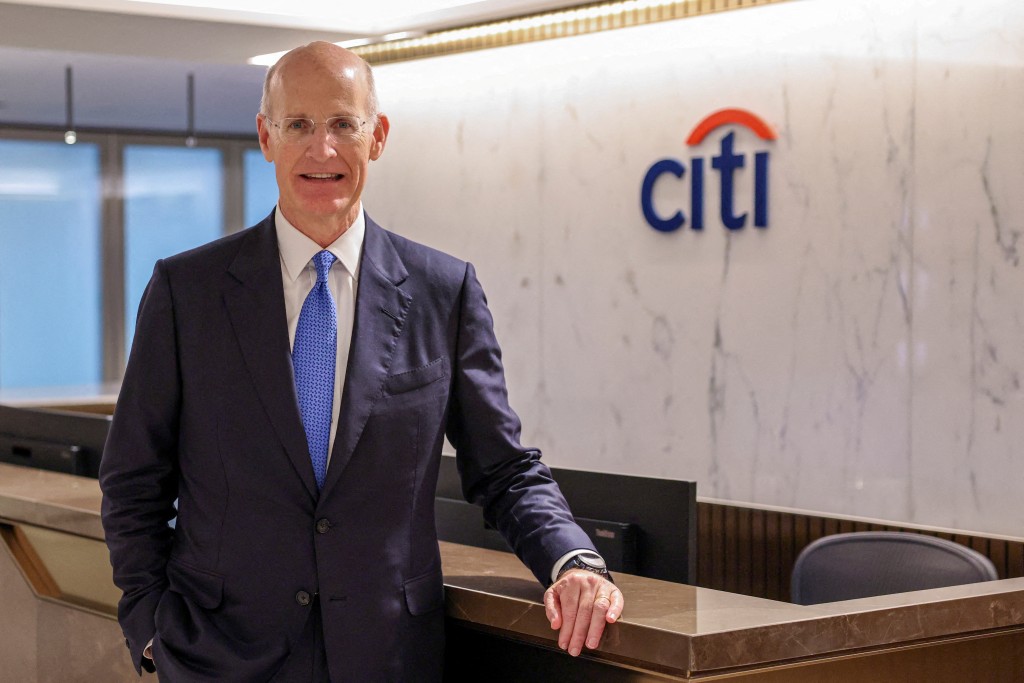
"We remain very much on track to deliver the 10-11 percent RoTCE target this year," said CEO Jane Fraser in a statement.
Its results come after Goldman Sachs kicked off the earnings season for banks on Monday, beating expectations for quarterly profit, driven by strength in dealmaking and equities trading.
The largest U.S. lender, JPMorgan Chase and Wells Fargo beat estimates for first-quarter profit on Tuesday. Bank of America and Morgan Stanley will report on Wednesday, April 15.
Citi reported its highest quarterly revenue in a decade, US$24.6 billion, boosted by market volatility during the first quarter which increased its total markets revenue by 19 percent over a year earlier to US$7.2 billion.
Fees from equity markets rose 39 percent in the quarter, helped by growth across derivatives, prime services and cash equities. Prime balances in the markets division jumped more than 50 percent, the firm said.
Revenue in fixed income trading was up 13 percent over a year earlier, rates and currencies revenue rose 6 percent and other fixed income rose 27 percent, driven by strong performance in commodities.
Deals Hold Up
Hot dealmaking activity by the investment bank increased Citigroup's banking division revenue by 15 percent in the quarter. Fees in equity underwriting rose 64 percent and in M&A advisory, 19 percent. Fees with fixed income underwriting fell 6 percent.
Prolonged geopolitical uncertainty did not have a big effect on transactions in the first quarter, but may weigh on dealmaking and derail the strong momentum.
Industry-wide investment banking revenue rose nearly 14 percent to about US$28.2 billion in the first quarter, according to Dealogic. Citigroup ranked fifth by fees among global banks during the period.
"We've entered into the final phase of our divestitures and 90 percent of our transformation programs are now at or near our target state. We demonstrated our commitment to returning capital by repurchasing US$6.3 billion shares during the quarter," said Fraser.
Interest Income Rises
Net interest income, the difference between what a bank earns on loans and pays out on deposits, rose 12 percent.
The wealth management and retail banking division had 11 percent growth in revenue, adjusting for the transfer of assets Citi did over the last 12 months. The division had the lowest return within the bank, 10.8 percent over tangible common equity.
Expenses climbed 7 percent in the quarter, mainly driven by costs stemming from higher employee compensation and benefits, including severance costs.
CEO Fraser said in March Citi will be front-loading some severance expenses in the first quarter, with overall costs likely to come in below last year's levels.
The bank continued to reduce headcount in 2026 as part of its ongoing restructuring efforts, with new rounds of layoffs marking the next step in Fraser's strategy.
Shares of Citigroup have risen 104.9 percent over the past 12 months, outperforming Wall Street peers and the KBW bank index, as progress in its turnaround under CEO Jane Fraser boosted investor confidence. Citi's valuation still lags peers.
Reuters