Read More





Six senior counsel appointed
31-03-2026 13:54 HKT


12 new biometric e-Channels launched in HK airport for document-free entry
01-04-2026 12:48 HKT
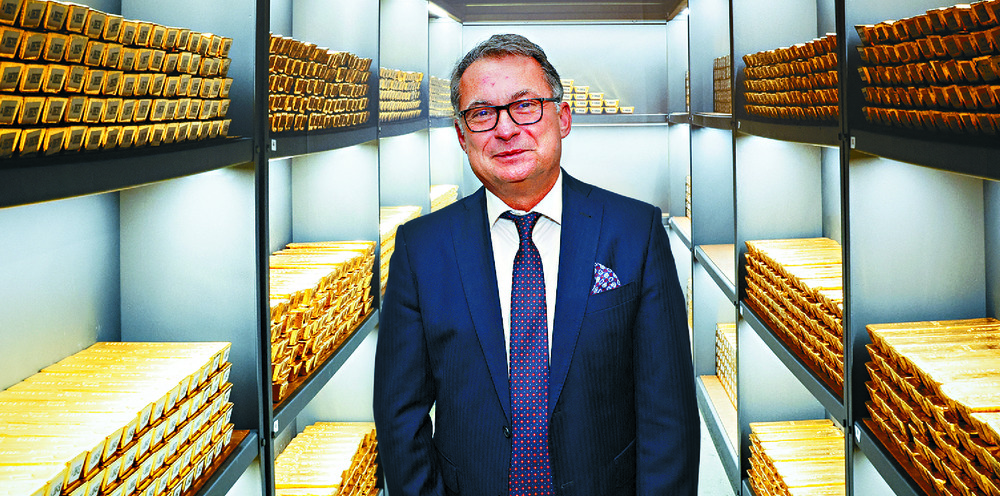
An increasing number of central banks and sovereign wealth funds are repatriating gold reserves as a precautionary measure against potential sanctions, citing the example of the West's sanctions on Russia, according to an annual survey conducted by Invesco.
The financial market rout last year caused widespread losses for sovereign money managers who are "fundamentally" rethinking their strategies in the belief that higher inflation and geopolitical tensions are here to stay.
More than 85 percent of the 85 sovereign funds and 57 central banks that took part in the Invesco Global Sovereign Asset Management Study believe inflation will be higher in the next 10 years than in the previous decade.
Gold and emerging market bonds are seen as good bets in that environment, but last year's freezing of almost half of Russia's US$640 billion (HK$4.99 trillion) of gold and forex reserves by the West in response to the invasion of Ukraine also appears to have triggered a shift.
Separately, geopolitical concerns, combined with opportunities in emerging markets, are also encouraging some central banks to diversify away from the US dollar.
Seven percent believe rising US debt is also a negative for the greenback, although most still see no alternative to it as the world's reserve currency. Those that see China's yuan as a potential contender fell to 18 percent from 29 percent last year.
Nearly 80 percent of the 142 institutions see geopolitical tensions as the biggest risk in the next decade, while 83 percent cited inflation as a concern over the next 12 months.
Infrastructure is now seen as the most attractive asset class, particularly those projects involving renewable energy generation.