Read More





ImmD crackdown targets moonlighting domestic helpers arresting 17
19-05-2026 17:52 HKT
Environment, social and governance is now one of the hottest trends in the business world with companies showcasing their ESG virtues such as green buildings to win over socially conscious investors.
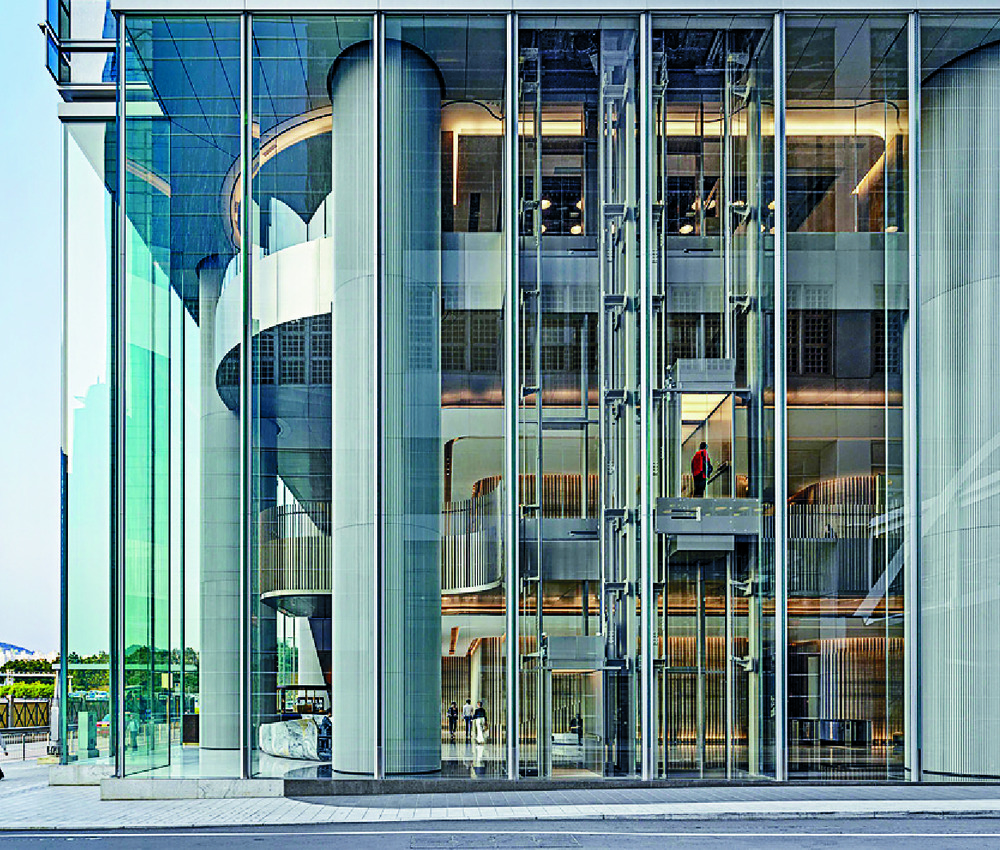
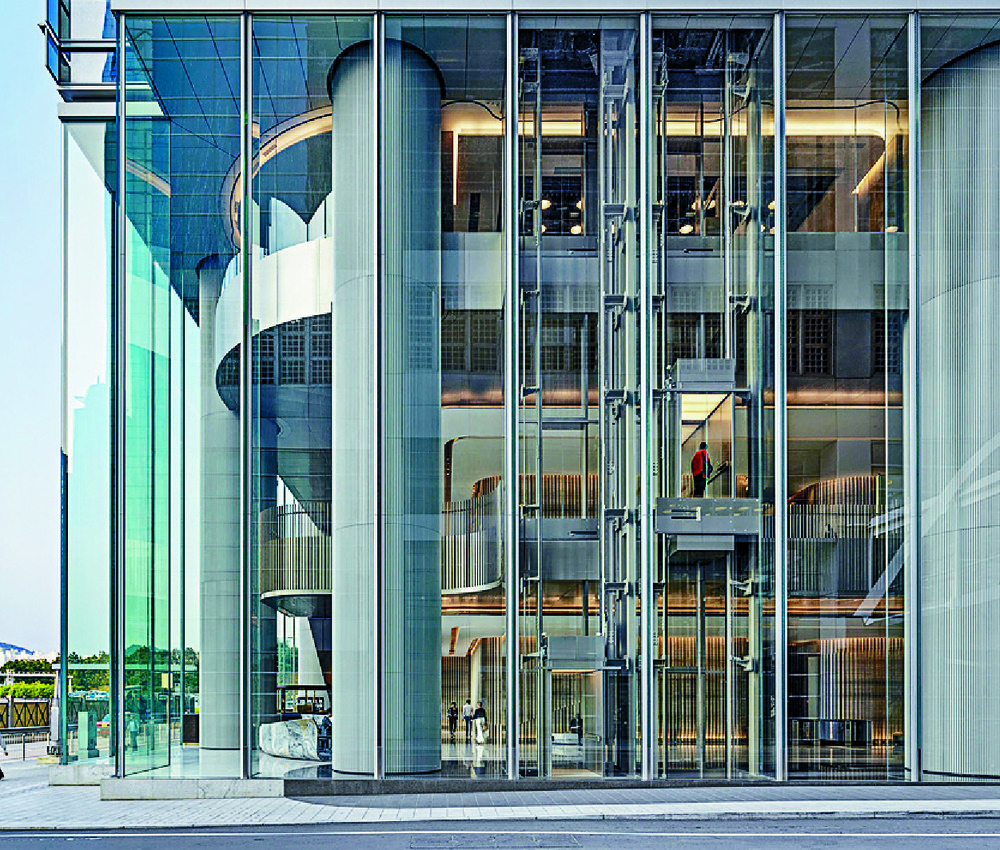
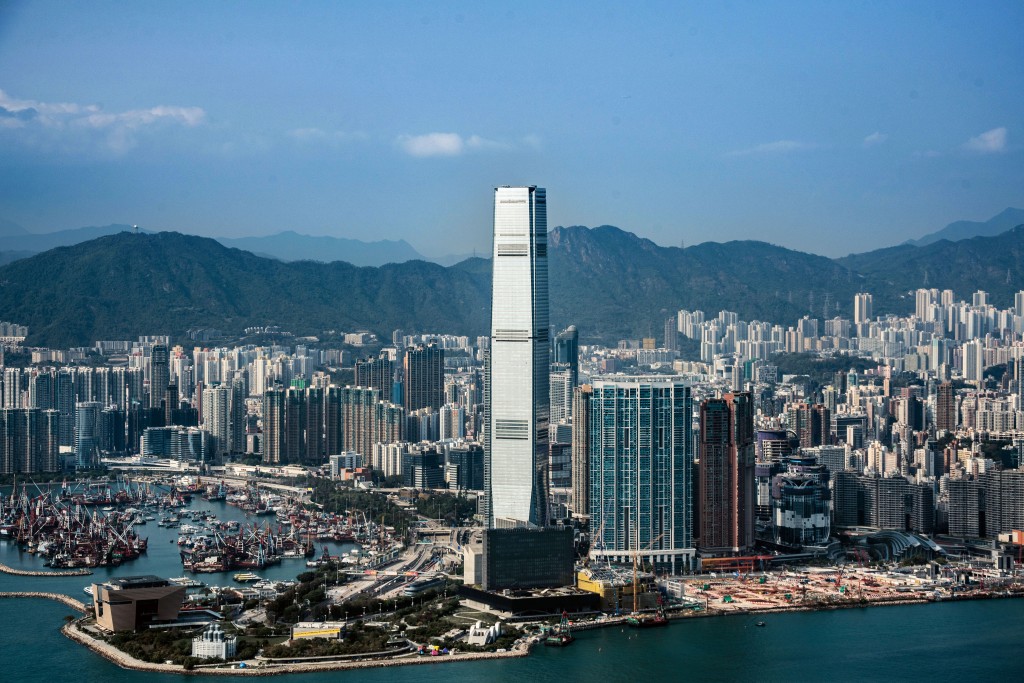
In this regard, Hong Kong boasts world-leading green structures like the International Commerce Centre, the K11 Atelier and One Taikoo Place, while the number of sustainable rated buildings are on the rise.
The 118-story ICC built by Sun Hung Kai Properties (0016) is among the top 3 percent of green buildings around the globe and Hong Kong's tallest skyscraper has an 'Outstanding' rating, the highest honor under BREEAM In-Use, a green building assessment method by the British Research Establishment. It also has Platinum certification under LEED or Leadership in Energy and Environmental Design from the US Green Building Council.
The 48-story One Taikoo Place built by Swire Properties (1972 ) pioneered the use of a dual-level roof fitted with solar panels placed over a green roof, and K11 Atilier built by New World Development (0017) was the first in the world to win platinum accreditation for three sustainability certifications - the Well Building Standard, LEED, and Hong Kong's Building Environmental Assessment Method Plus or BEAM Plus.
However, critics say that while BEAM Plus lays down the standards of construction for green buildings, they may still fail to truly achieve ESG goals after they are built.
HONG KONG'S STANDARD
As buildings account about 90 percent of total electricity usage in the city and over 60 percent of greenhouse gas emissions, the government has been promoting BEAM Plus, making it the most widely accepted standard of assessing a building's sustainability.
BEAM Plus provides a single performance label that is said to demonstrate the overall quality of a project, regardless of whether it is new, refurbished or in use.
The certification, which includes Platinum, Gold, Silver and Bronze ratings, is issued by the Hong Kong Green Building Council or HKGBC after a building or project is assessed by the BEAM Society or BSL, a non-profit organization which developed the method.
To encourage developers to join BEAM Plus, the government introduced a 10 percent gross floor area concession in 2011 and as of July 2022, the total area of environmentally certified Grade A buildings in Hong Kong was 28.3 million square feet, accounting for 38 percent of total office stock, according to Colliers International.
TOO MUCH COVER
Property developers or management firms may try to improve their public image by showing support and determination to achieve ESG goals, says Ir Leung Chi-fung, director of operations at the Business Environment Council.
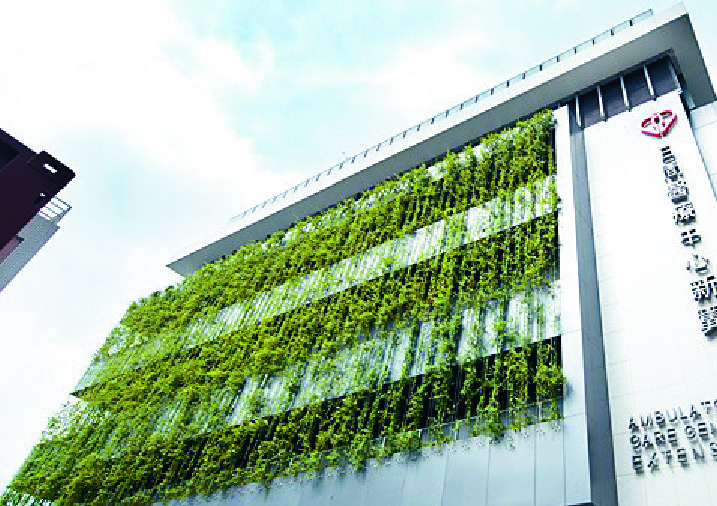
But there are experts who believe that some initiatives such as vertical greening can do more harm than good to the environment.
Buildings covered with vegetation have grown in popularity across the world as they are not just aesthetically elegant - the plants suck up carbon dioxide or CO2, help reduce pollutants, lower temperatures inside the building and even cut down on noise pollution if the facades are properly designed, according to design firm Arup.
But professor Andrew Leung Yee-tak at the School of Computing and Information Sciences, Caritas Institute of Higher Education, is not sold on the merits of vertical greening.
"Some of the vertical greening systems in Hong Kong have posed more damage than good to the environment because the energy consumption for watering the plants is way more than the plants' capacity of absorbing carbon dioxide," Leung says.
They are only symbol of environmental protection and do not meet the latest international standards for green buildings, he says, pointing out that a newly planted tree should reach at least 5 meters in height to reduce 23 kilograms of CO2 emissions a year.
GLASS AND HEAT
Construction engineer Jason Poon Chuk-hung, meanwhile, is critical of the benefits of curtain wall designs after a visit to a commercial building rated Gold in the BEAM Plus standard.
"Extra air-conditioning was used to cool down the overheated glass curtain walls when the indoor temperature was increasing," says Poon, who famously blew the lid off the MTR Corporation's (0066) Shatin-Central Link construction scandal in 2018. "I don't think it is eco-friendly at all."
A design expert who does not want to be named agrees with Poon and lists out a few criteria that should be taken into account before adopting a curtain wall facade design.
He says the building's orientation and the total temperature value of the facade - a measurement to check if a building facade is capable of reducing heat transfer to the interiors - should be taken into consideration for better thermal comfort and external insulation or windows should be installed to provide extra cooling and natural ventilation.
WHAT ABOUT NATURE?
Professor Edward Ng Yan-yung, Yao Ling Sun Professor of Architecture at the Chinese University of Hong Kong's School of Architecture, is also not in favor of the current method of assessing a building's sustainability as he believes it is too business-oriented.
For instance, the damage to the environment cannot be undone by merely constructing energy-saving green buildings on wetlands once developers have destroyed the natural habitats for various wild species, he says.
Some experts also say that the government should be doing more to encourage innovation in green building design.
Architect Ho Chi-yiu highlights the difficulties encountered when installing solar panels onto the curtain walls on the highest floor of a building, saying reams of paperwork were needed to ensure the installation was a part of any unauthorized building work on the rooftop.
Another unnamed architect complains that authorities seldom endorse cutting-edge green designs which are not typically used in Hong Kong, and this hinders the further development of sustainable buildings.
Nevertheless, the green building movement continues to grow: there are currently around 2,200 BEAM Plus projects including 1,022 certified ones covering an area exceeding 73 million square meters, and the HKGBC estimates they will save 1.4 billion kilowatt hours of electricity a year.
Last year alone, over 110 projects were certified and at least eight of these were linked to green mortgage plans.