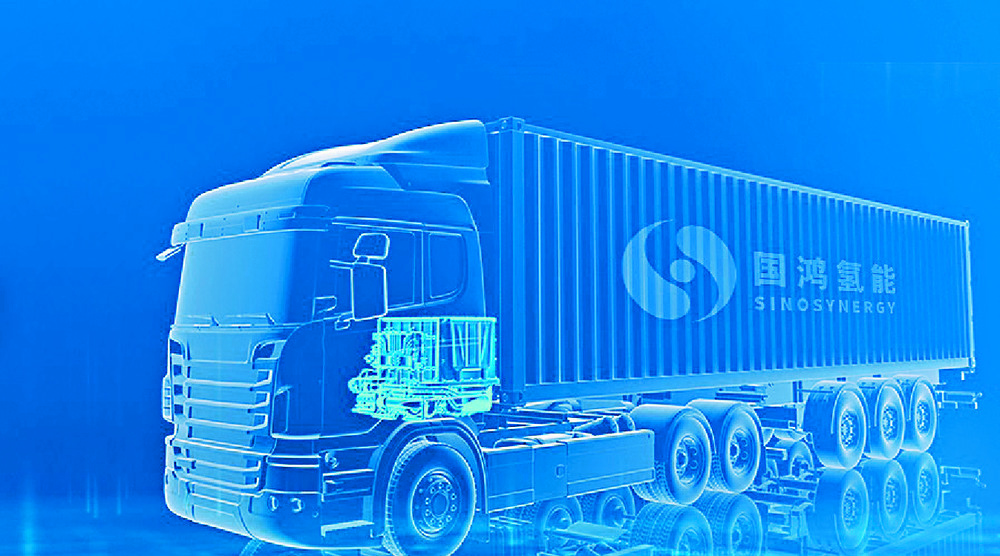
Chinese hydrogen fuel cell manufacturer Sino-Synergy Hydrogen Energy Technology (Jiaxing) has sought a Hong Kong initial public offering amid fierce competition as it seeks to raise funds amid huge losses.
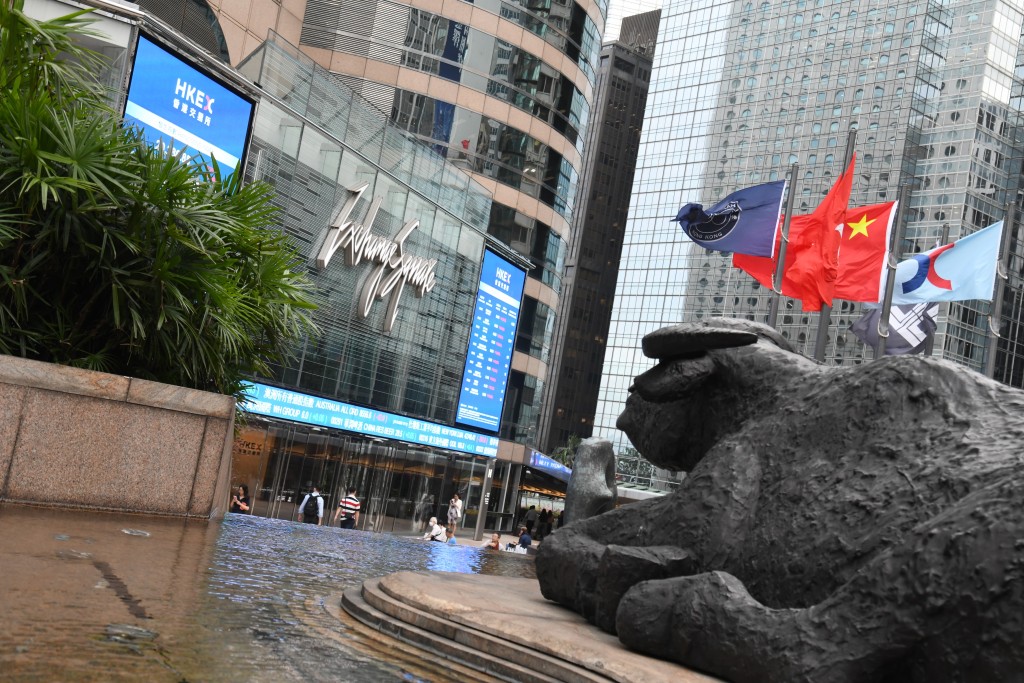
If successful, Sino-Synergy will be the second of its kind to be listed in the city, following Beijing SinoHytec (2402), which raised HK$982.8 million from its IPO in January but received a lackluster response from local investors, with its retail tranche undersubscribed.
Founded in 2015, Sino-Synergy mainly develops hydrogen fuel cells and provides system solutions used in buses, heavy-load trucks, logistics vehicles, forklifts, trains and ships.
The firm is China's largest supplier of hydrogen fuel cell stacks in terms of shipments from 2017 to 2021, with a market share of 24.1 percent, it said in a preliminary prospectus citing a third-party report.
Like most of its peers in the hydrogen industry, Sino-Synergy remains unprofitable. It posted a net loss of 151 million yuan (HK$172 million) in the first half of 2022 after a loss of 703 million yuan in 2021.
Sino-Synergy saw its revenue more than double to 457 million yuan in 2021 after a 38 percent slump in 2020. It recorded a 94 percent jump in revenue to 190 million yuan in the first six months of 2022.
But the firm is highly dependent on certain major customers for the majority of its revenue as it is a new and small market. Its five largest customers accounted for 88.1 percent and 96.6 percent of its total revenue in 2021 and the first six months of 2022 and the loss of any of these customers could adversely affect its business.
Apart from the uncertainty in revenue, it also suffered from underutilized production capacity due to unstable demand. The utilization rate for its hydrogen fuel cell stacks ranged from 27.2 percent to 78.8 percent from 2020 to the first half while the rate for its hydrogen fuel cell systems ranged from 20.5 percent to 61.1 percent over the same period.
It has lowered the selling prices of its products amid fierce competition, resulting in a lower gross profit margin.
The average selling price for its hydrogen fuel cell stacks was cut to 1,554 yuan per kilowatt in the first half of 2022 from 3,440.7 yuan in 2019 while the average price for hydrogen fuel cell systems was reduced to 4,117 yuan from 15,213 yuan over the same period.
The gross profit margin fell to 18.6 percent in the first half of 2022 from 30.4 percent in 2019. It also saw its turnover days grow to 769 days in the first half of 2022 from 222 days in 2019. The longer turnover partially resulted in continuing negative cash flows from operating activities in the past years.
PUSH FOR hydrogen vehicles
However, prospects look bright for hydrogen fuel cell firms with China's National Development and Reform Commission aiming to fully develop its hydrogen industry by 2035 to support its transformation towards green energy.
As part of this goal, the NDRC aims to have about 50,000 hydrogen fuel-cell vehicles on the roads by 2025.
Sino-Synergy completed at least two rounds of funding last year, attracting over 1 billion yuan worth of investment.
This came as SPIC Hydrogen Energy, a unit of State Power Investment Corporation, said last December it reached a valuation of 13 billion yuan after completing a series B round of funding at 4.5 billion yuan. This was the highest valuation for a startup in the hydrogen industry.
Sino-Synergy plans to use the proceeds from the offering for expanding its production and technological capabilities, including the construction of a new plant, and the possible acquisitions of firms in the upstream industry.
Huatai International is the sole sponsor of the proposed deal.