Read More









Chinese hair transplant pioneer Barley Hair Transplant Medical (Shenzhen) has filed for an initial public offering in Hong Kong.
It was the first to use microneedle techniques for hair transplants in the mainland, according to a China Insights Consultancy report.
It offers surgical and non-surgical treatments for alopecia and is the largest provider of hair treatment services by revenue in first-tier cities, with a market share of 5.2 percent in 2021, the report states.
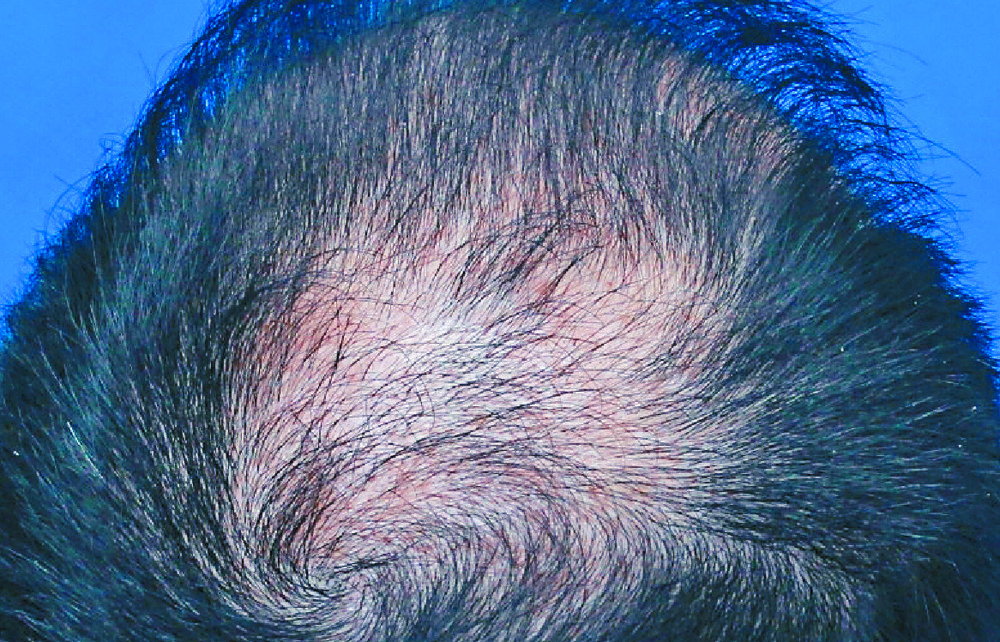
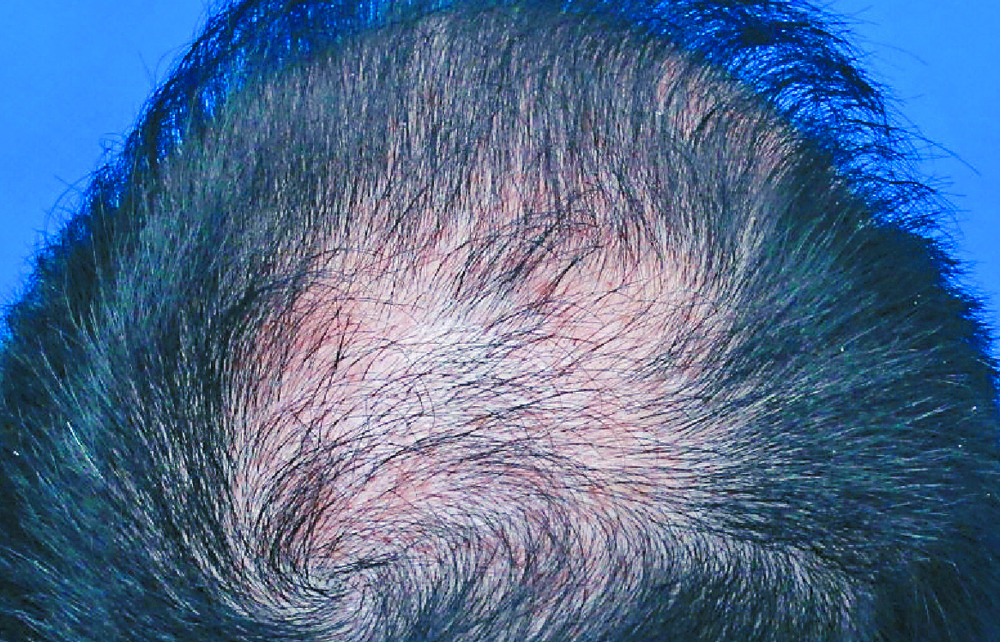
It mainly uses microneedles for transplants using a proprietary 0.6-1.0mm implanter pen to transplant hair follicles from the back of the head to the forehead, which narrows the wounds and accelerates the post-operation recuperation process, according to the CIC report.Non-surgical treatments include using medicine, low-level laser therapy and LED light therapy to help strengthen and protect hair.
Barley recorded a 5 percent decline in annual net profit to 66.1 million yuan (HK$77.3 million) in 2021 from a year ago. Its revenue increased by 33.57 percent to 1.021 billion yuan in 2021, of which 79 percent came from surgical hair transplants.If Barley successfully goes public, it would become the second hair transplant stock in Hong Kong in the footsteps of Yonghe Medical (2279), which listed on the Hong Kong stock market at the end of 2021.
Yonghe's listing price was HK$15.8 but the stock is currently trading more than 55 percent lower at HK$7.71.China's hair treatment market was worth 23.8 billion yuan in 2021 from 8.3 billion yuan in 2016, representing a compound annual growth rate of 23.5 percent, and is projected to reach 71.2 billion yuan by 2026, according to CIC.
Also, a 2019 study from the National Health Commission revealed that 250 million people in China or one in six suffered from hair loss while only 516,000 had received hair transplants, translating into to a market penetration rate of 0.21 percent.MARKET RISKS
Barley's competitors include public hospitals and private medical groups that offer a variety of hair-related treatment services and some may have a longer operating history, greater brand recognition, better supplier relationships and a larger customer base.Also, there is a risk of Barley being exposed to liabilities and its operations and reputation could suffer if it fails to maintain the quality of its services, medicines, medical devices and hair care products.
Barley ran into trouble with authorities in 2019, when one of its subsidiaries, Ningbo Barley Cosmetology and Hairdressing, was pulled up for false advertising over hair transplants, according to a report in Sina Finance.The company plans to invest in surgical devices that improve the efficacy of hair transplants and make surgeries less painful, as well as in non-surgical devices and equipment that activate hair follicles.
Proceeds from the IPO will be used to expand its network, enhance research and development, advance the digital transformation of healthcare services, make strategic investments and acquisitions, as well as for working capital.China Securities (International) Corporate Finance Company Limited is the sole sponsor.