Read More
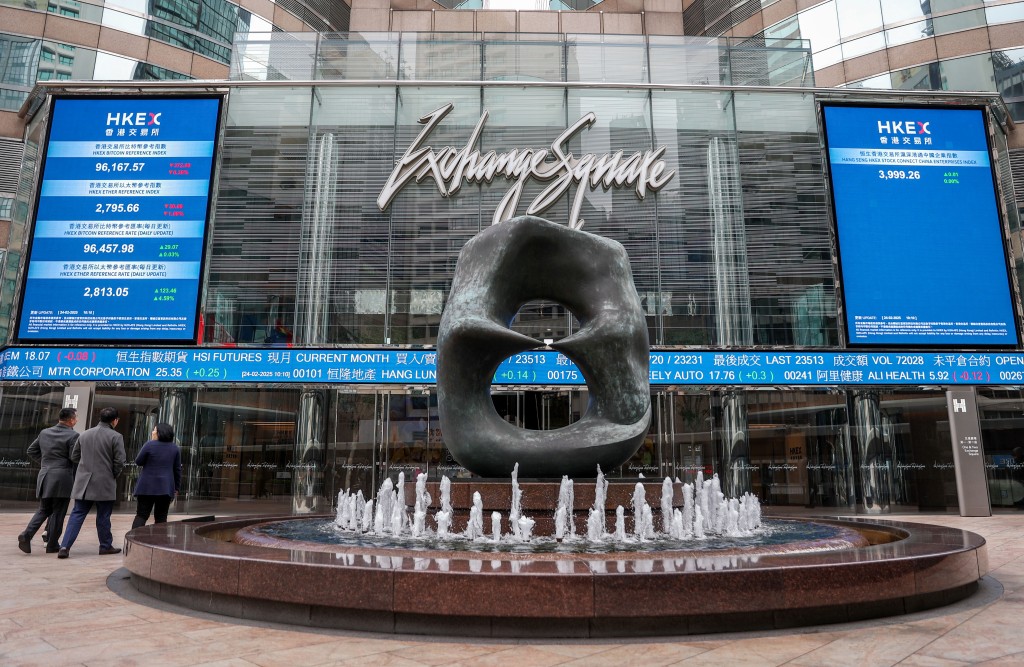

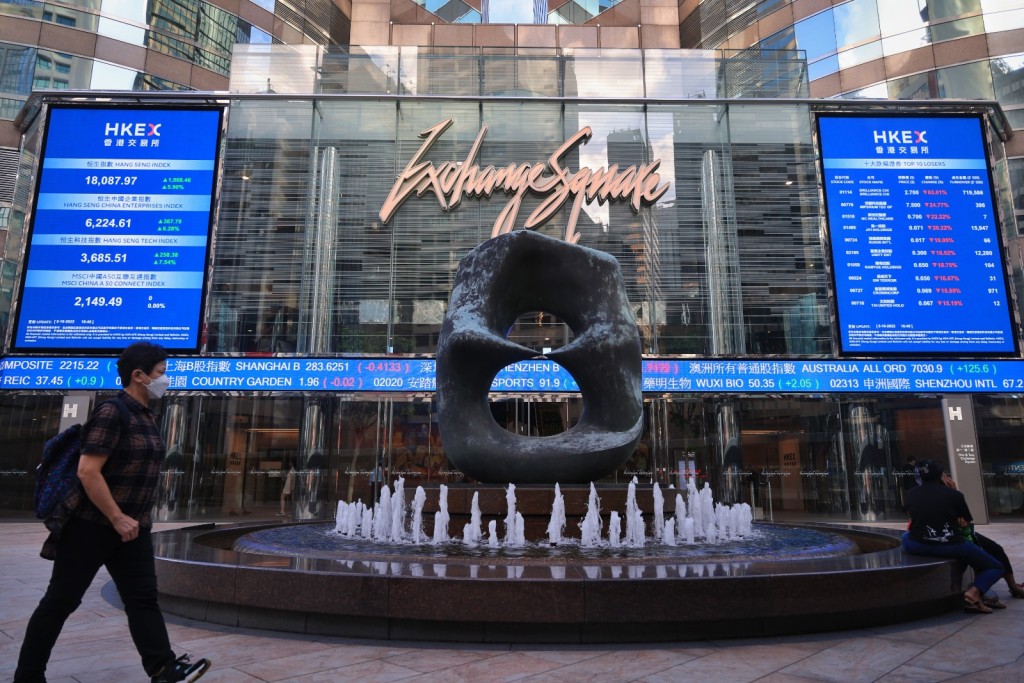


Germany's eye surgery EuroEyes (1846) is looking to launch its first flagship clinic Hong Kong's Central district this year in a bid to tap into well-heeled clients, while cashing in on cheaper rents amid the Covid-19 outbreak.
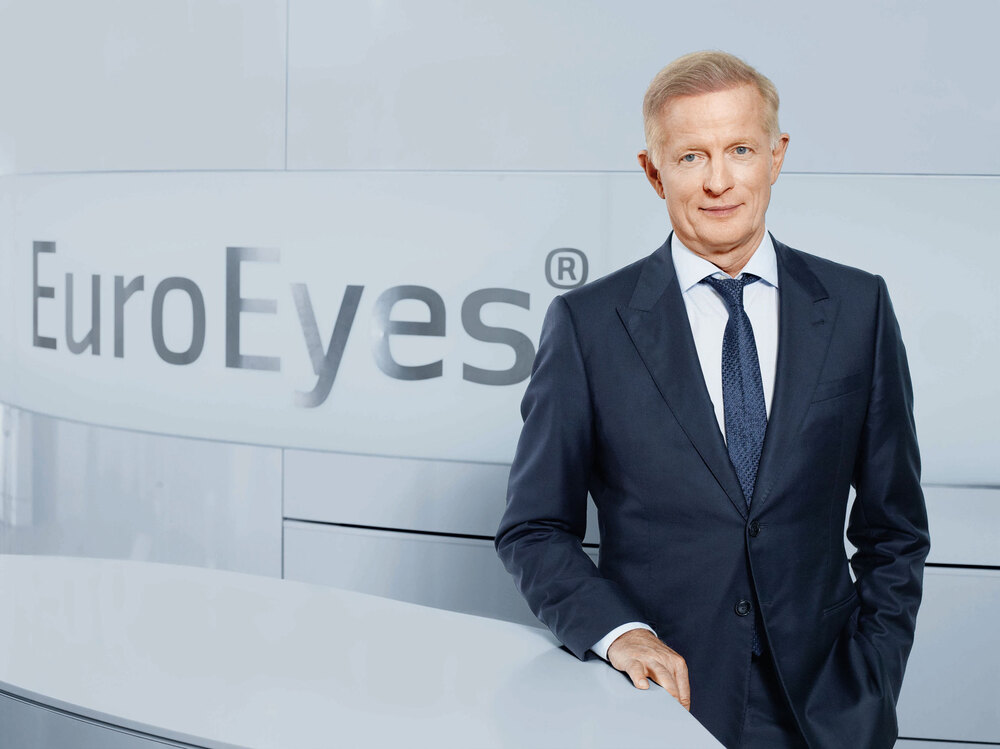
The company is in search of a "fantastic location" for its flagship at an affordable price, where it will offer implantable collamer lens or ICL surgery as well as solutions for presbyopia, says Jorn Jorgensen, chairman and chief executive at EuroEyes.
Implantable collamer lenses are used for nearsightedness, farsightedness and astigmatism while presbyopia is the normal loss of near focusing ability that occurs with age, and Jorgensen says there's a big market for presbyopia in Hong Kong, with about 5,000 treatments expected each year.
Jorgensen has every reason to think he can get a bargain rental deal: rents for Grade-A offices in Sheung Wan and Central have fallen in the wake of the pandemic and the Rating and Valuation Department's price tracking index shows rentals in the core district plunged nearly 20 percent to 286.60 points last December from 354.20 points in January 2020, before the pandemic broke out.
Rentals at Crawford House - a commercial building in Central that's home to several private clinics - have ranged between HK$65 to HK$66 per square foot this year, data of a local property broker shows, while rates at H Zentre, a similar building in Tsim Sha Tsui, have been cheaper at around HK$60 per sq ft, under deals stuck in November.
The Hong Kong-listed company is in talks to hire top local surgeons for its clinic, Jorgensen says.
Last month, EuroEyes bought the London Vision Clinic in the UK, which offers laser surgery, for 30.88 million euros (HK$274.96 million).
Jorgensen says that with London Vision Clinic's cutting-edge treatments - which EuroEyes does not offer in Europe and China now - it will able to attract a whole new group of patients.
"We think it will generate substantial new revenues once we have learned to implement that (treatment)," he says.
EuroEyes currently operates 15 clinics and consultation centers in Germany, five in Denmark and eight in China.
It plans to open up a flagship clinic in Copenhagen in early this year and two clinics in Germany's Wiesbaden and Kiel.
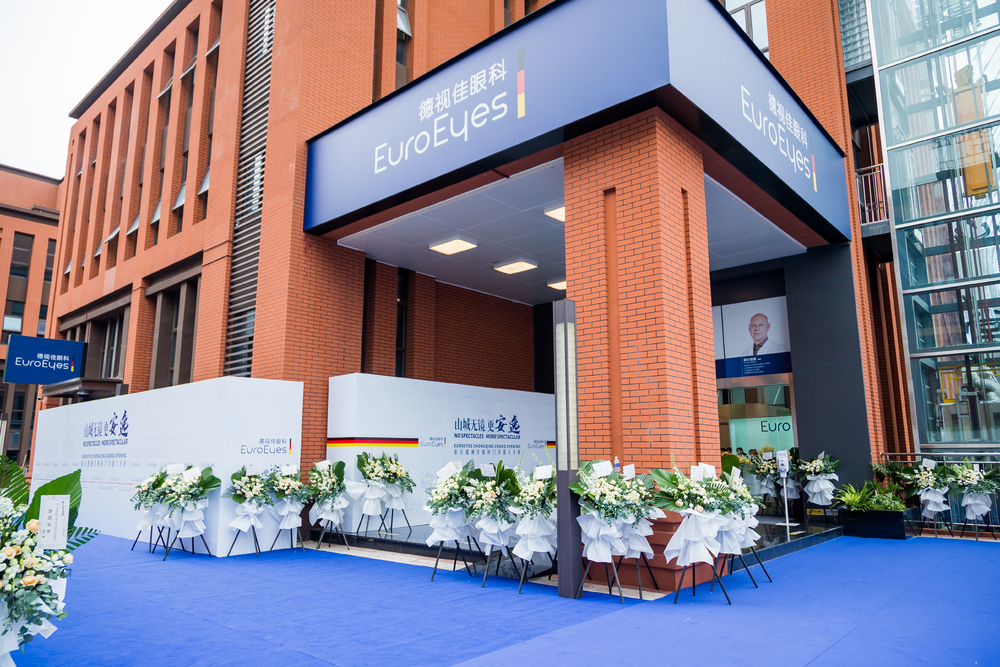
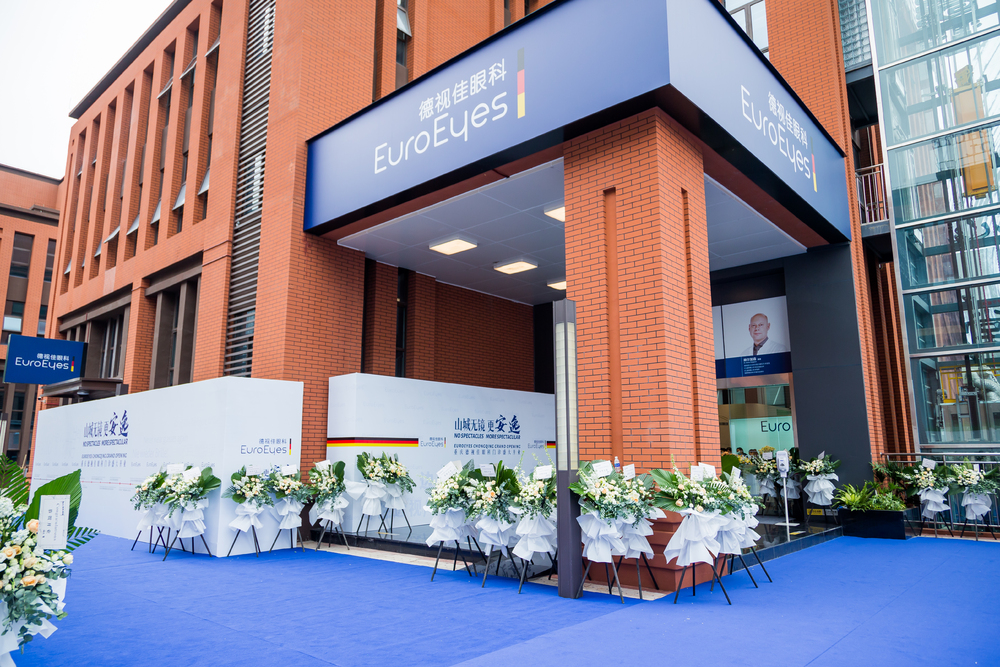
In China, two consultation centers are planned in Beijing and Shanghai with one clinic set to kick off trial runs in Chengdu early this year.
Despite over 60 percent of the total revenue for the first half of last year coming from Germany, Jorgensen expects China to overtake Europe in the long run as its market potential is huge.
"Our strategy is to have the consultation centers deliver patients to our existing clinics which have a low capacity rate," he says.
The overall utilization rate of the group stands at around 25 percent, suggesting large room for growth even without any new merger or acquisition.
Chief operating officer Michael Zhang expects profit margins to grow along with the usage rate, given largely fixed operating expenses.
The break-even point for new clinics ranges between 12 to 18 months, says chief financial officer Markus Braun.
Looking ahead, the firm will look for refractive clinics run by top surgeons in Europe and China for possible mergers and acquisitions, which will be mainly financed by operating cash flow and its initial public offering proceeds, says Braun.
EuroEyes expects 2021's annual net profit to range between HK$132 million and HK$138 million, as compared to HK$65.6 million the previous year, thanks to increasing demand.