Read More











While many of China's exporters desperately wait for congestion at ports and a shortage of containers to ease, others are turning to land transport in the hope of catching the last train for Christmas.
As a result, exporters are now shipping their cargoes by land and rail to Europe and Southeast Asia as these routes are less impacted by the Covid pandemic and delivery time-lines are relatively stable, says Bernadette Linn Hon-ho, a former member of the Hong Kong Logistics Development Council.
Freight deliveries take about a week on this land-rail-land route and costs only half the price of air freight.
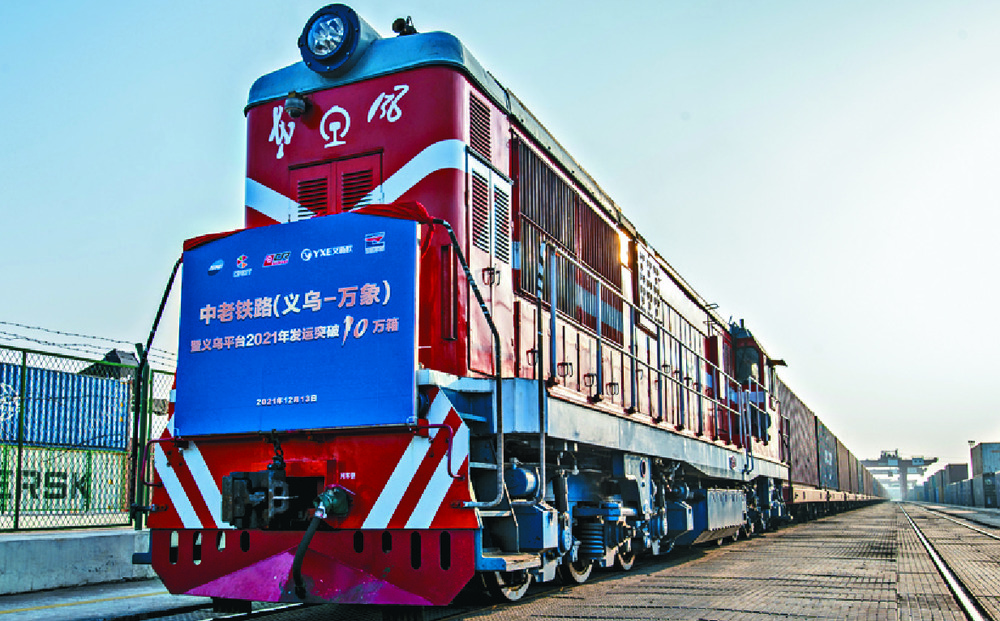
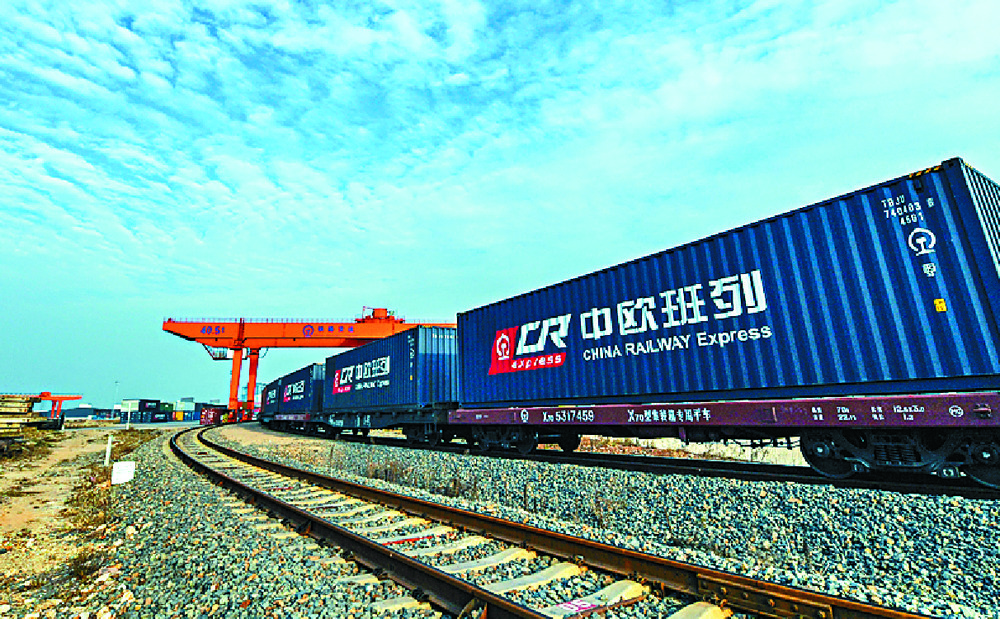
For European routes, containers are delivered by truck to rail stations in Chengdu or Shanghai and then sent to European destinations via railways such as the Trans-Siberian Railway.These routes have been developed over the last five years but their utilization rate has been quite low until recently.
An employee with a freight forwarder says rail freight between China and Europe used to cost two-thirds more than sea freight, but prices have now become a bit more competitive.For instance, the cost of sea freight from the city of Yiwu in Zhejiang province - which manufactures about 90 percent of the world's Christmas merchandise - to Moscow is usually US$8,000 to US$9,000 (HK$62,400 to HK$70,200) per container, while prices on the Yiwu-Madrid railway route are around US$12,000 to US$13,000 per container.
But though the rail option is costlier, it only takes 15 days, less than half the time taken by sea, he says, adding that many customers prefer rail freight as they would otherwise have to wait for at least a month before they can get their cargo loaded onto ships.A veteran with more than 20 years of experience in logistics and shipping, Linn says that several types of goods are now being exported by rail, including pandemic-related products that require quick delivery such as personal protective equipment, as well as medium and high-priced goods like furniture and electrical appliances.
Manufacturers also have another good reason to opt for rail freight: shipments by sea run the risk of moisture damage due to humidity and condensation, so in addition to beating port congestion, rail shipments offer better protection, especially for goods such as wooden furniture.Latest statistics, meanwhile, show how rail freight traffic has risen in 2021. As many as 6,000 Europe-bound China Railway Express trains have passed through Horgos port in Xinjiang so far this year, accounting for nearly half of the number of cargo trains leaving China via its four biggest railway ports. This number has exceeded last year's total, with the average daily traffic increasing from 13 trains last year to 17 trains, while the port's total cargo throughput also surged 38 percent to more than 8.5 million tons.