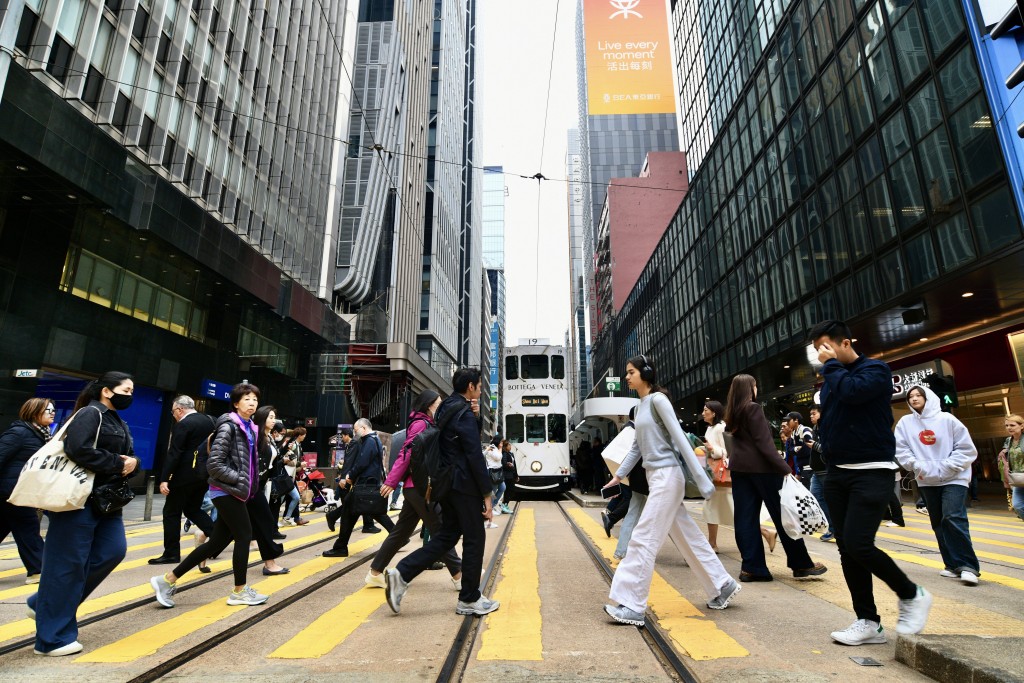
Deloitte China projects Hong Kong's full-year retail sales to rise 8.4 percent year-on-year to HK$412 billion, up from its February forecast of HK$410 billion.
An improving property market is expected to continue to strengthen the purchasing power of local high-net-worth consumers, with a packed calendar of mega events and festivals set to draw international visitors and stimulate consumption, said Michael Cheng, Deloitte China Hong Kong consumer markets business leader.
The city is also estimated to see retail sales grow 7 percent in the second half of the year, following a stronger-than-expected 9.7 percent increase to about HK$203 billion during the first six months, according to Deloitte.
Due to second-half macroeconomic uncertainties including the US Midterm Election, artificial intelligence development's impact on capital markets, and the Middle East conflict, Deloitte expects Hong Kong's retail sector to grow more slowly than the first half, Cheng noted.
Besides, he pointed out that there are three to five more years for the city's retail sales to touch the record-high HK$490 billion, depending on the purchasing power of mainland visitors travelling to Hong Kong.
Riding on the wave of a stronger yuan against the US dollar, mainland consumers currently benefit from favourable exchange rates when shopping in Hong Kong, he said, adding that a sustained rally in the yuan would further boost the city's retail sales.
As for northbound consumption, Cheng believed that the craze crested last year. But given the limited living space in Hong Kong, residents now buy fewer daily necessities from the mainland, while demand for dining and other services across the border remains strong, he said.
Meanwhile, tiered luxury options, stronger customer value, and sharper cross-border pricing are keys to sustaining retail momentum in the city, Cheng said.
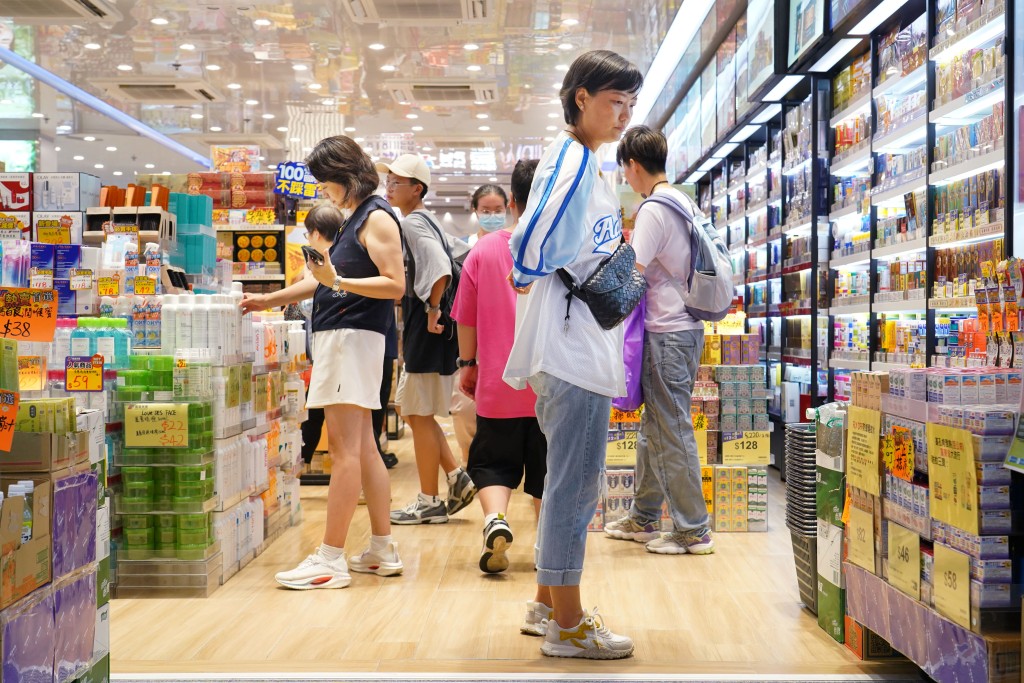
In terms of types, Deloitte sees that high-value categories would benefit most from tourism and wealth effects, while Chinese mainland cross-border shopping supports medicines and cosmetics, as well as consumer durable goods.
Online sales, which rose 27.9 percent in the first half, are expected to normalize in the second half, with full-year growth projected to surpass 20 percent and penetration exceeding 10 percent of total retail sales for the first time, it added.