South Korea's Financial Services Commission (FSC) will tighten spread limits for exchange-traded funds (ETFs) and notes (ETNs) and expand mandatory mock trading requirements to domestic and overseas-listed single-stock leveraged products, including inverse products, starting August 19, according to Yonhap News Agency.
First-time ordinary retail investors trading these products must complete a free simulated trading program, the news agency reported.
The requirement mandates a total of no less than five hours of mock trading over at least five trading days, with a minimum of one hour per day, to help investors experience negative compounding effects and actual trading environments, the report added.
The new rules will tighten brokerage spread standards for all ETFs and exchange-traded notes (ETNs) from 3 percent to 2 percent for domestic products, and from 6 percent to 5 percent for overseas listings, according to the report. Furthermore, the Korea Exchange plans to restrict new business for liquidity providers who intentionally, repeatedly, or through gross negligence violate their management duties.
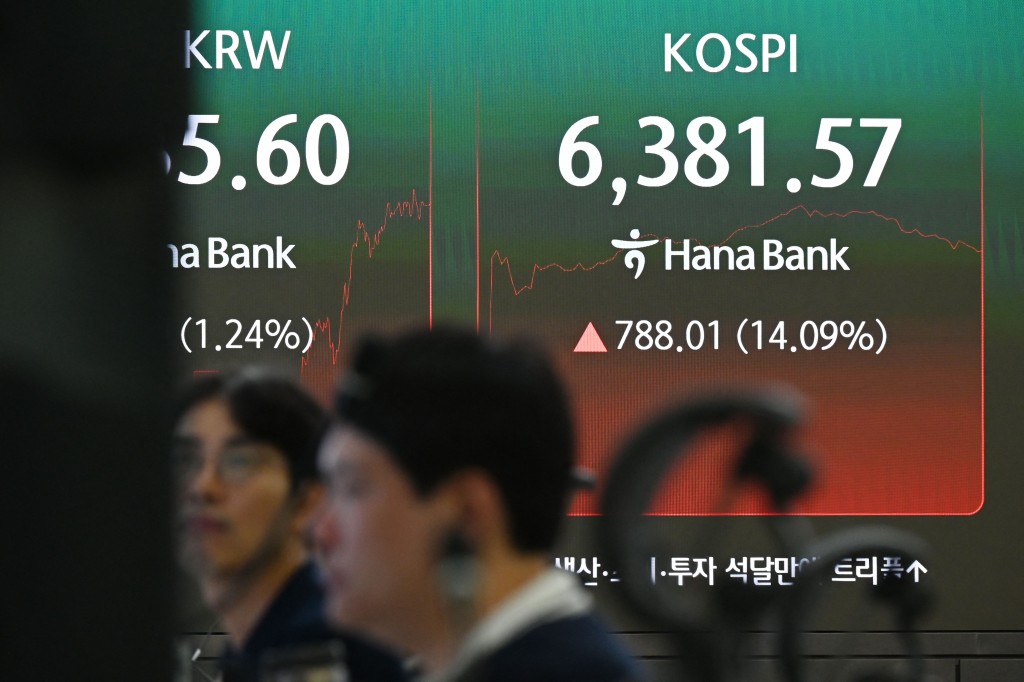
Yonhap cited the financial regulator as saying authorities will continue monitoring the market and pushing forward follow-up measures, as instability factors persist despite a recent easing in stock volatility.
This follows an earlier move on July 31 that raised the basic cash margin for single-stock leveraged products to 30 million won (HK$166,000).
Deputy Prime Minister and Minister of Economy and Finance Koo Yun-cheol said Tuesday the government will take all possible policy measures to reduce market volatility, the report added.
He noted that trading volumes in single-stock leveraged ETFs plunged from 12.4 trillion won on July 30 to 800 billion won by August 7 following earlier countermeasures, representing a near 96 percent drop from the 19.4 trillion won peak on June 25.