
Read More
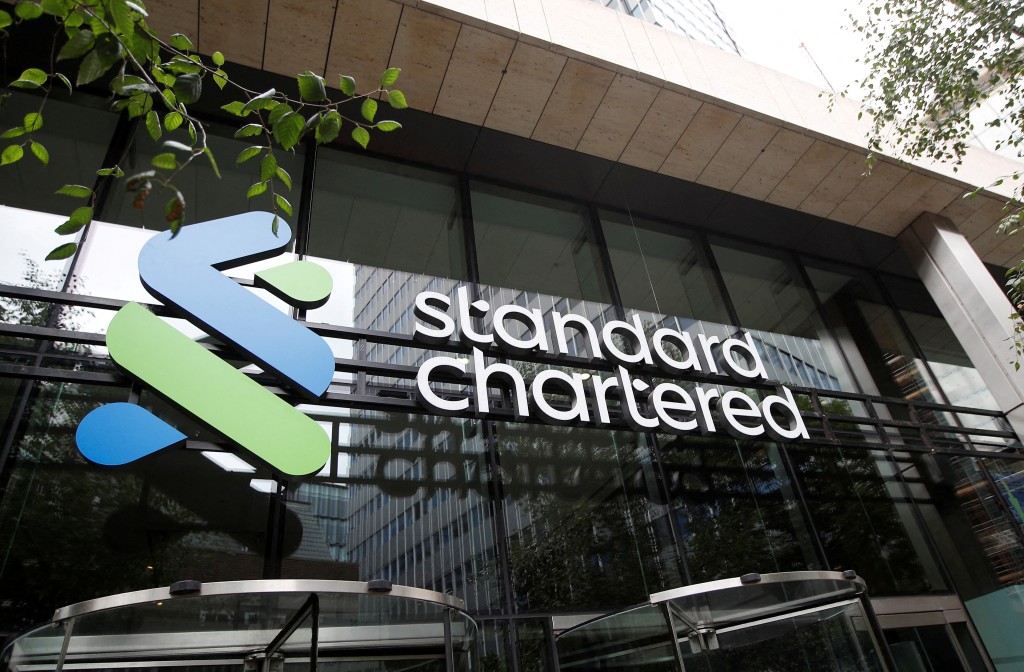
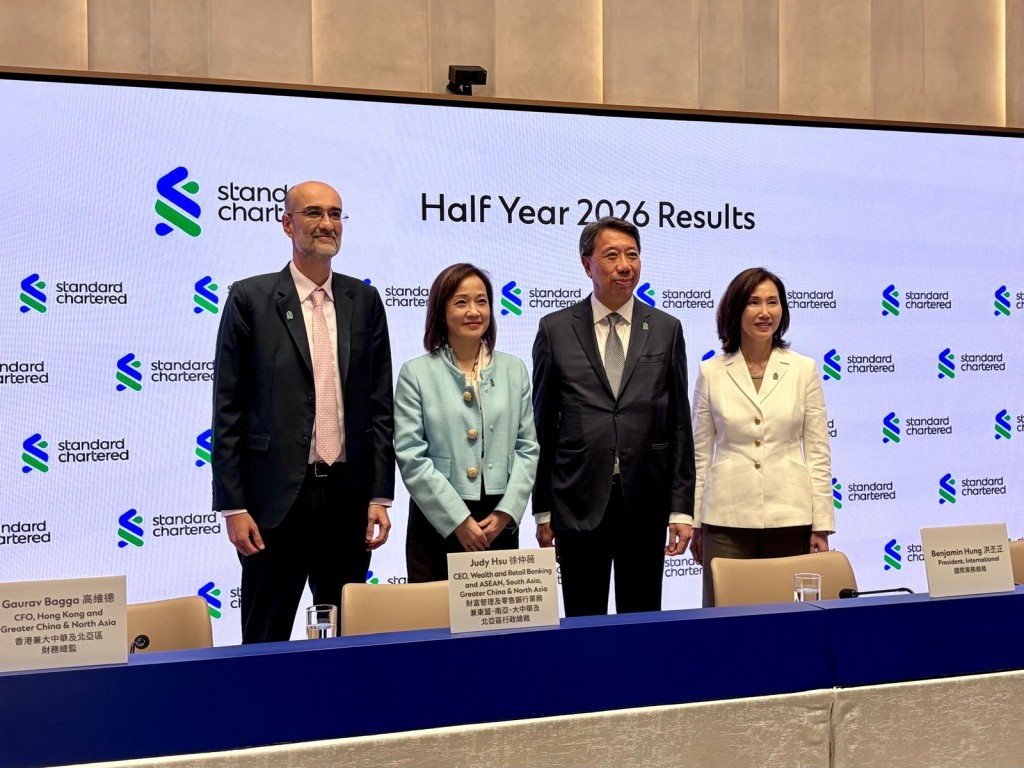
Standard Chartered’s (2888) shareholders can expect a more progressive dividend payout in the second half of 2026 as the split between dividends and buybacks will become more even, said its International president, Benjamin Hung Pi-cheng, on Wednesday following the bank’s announcement of its first-half 2026 results.
ADVERTISEMENT
SCROLL TO CONTINUE WITH CONTENT
Shareholders will receive an interim dividend of 20.4 cents per share, up 66 percent from last year, alongside a new US$1 billion (HK$7.8 billion) share buyback. He said that in the last three years, the bank paid out around US$10.3 billion to shareholders – US$3 billion in dividends and US$7.3 billion in buybacks. With a shift in capital return strategy, Hung said there will be a more even mix in dividends and buybacks.
Meanwhile, the bank upgraded its 2026 income guidance to the middle of its 5-7 percent range, while net interest income is now expected to grow at a low-single-digit percentage, reversing earlier expectations of flat growth. The improved outlook reflects rising client activity across the bank's network, particularly in wealth solutions and transaction services.
Despite the strong results, the bank set aside US$234 million in management overlays for Middle East-related risks. Even with these provisions, Hung said credit impairment remained at the low level of US$446 million, or roughly 26 basis points of loan loss rate – below the bank's historical through-the-cycle range of 30-35 basis points.
With recent regulatory controls from mainland China, the bank still delivered robust growth in affluent net new money of US$33 billion in the first half of the year, said Judy Hsu, Standard Chartered’s chief executive, wealth and retail banking and Asean, South Asia, Greater China and North Asia, adding that the bank does not see the matter impacting clients or assets under management growth.
Hung also mentioned that the bank will target earnings per share growth at a high-teens compound annual growth rate over the next three years, with return on tangible equity targets of more than 15 percent by 2028 and approximately 18 percent by 2030.