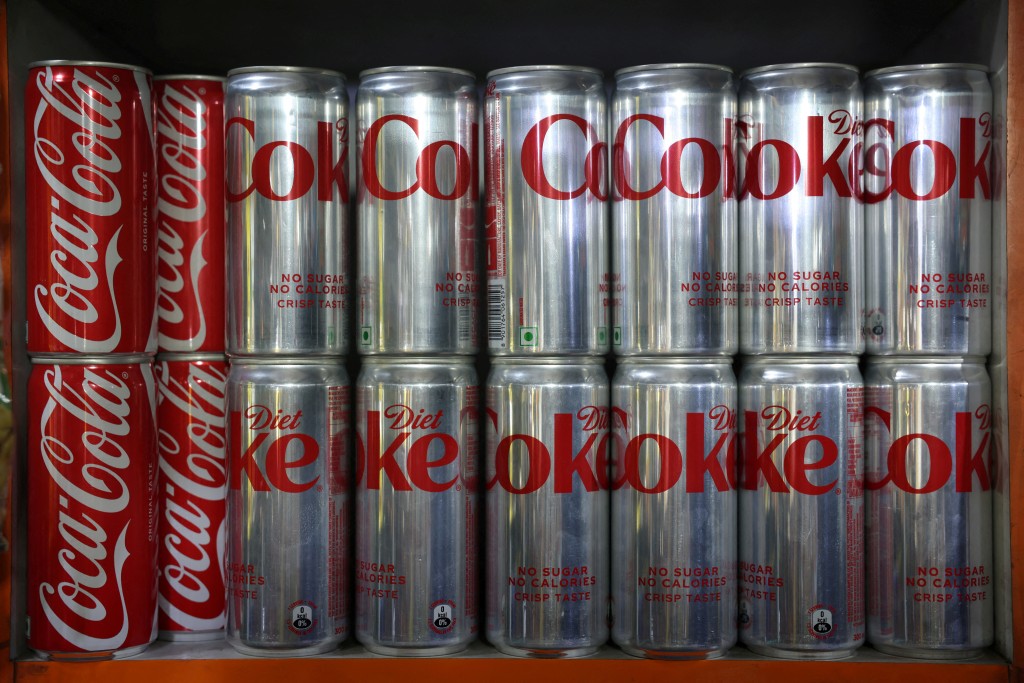
While many fans complained about World Cup hydration breaks slowing the pace of soccer games, top sponsor Coca-Cola said it was pleased with the boost to sales for its energy drinks that drove strong quarterly results and helped lift annual targets.
The hydration breaks that split the matches into four segments created additional advertising opportunities for brands and lined the pockets of broadcasters, such as Fox.
"I'm not sure whether these hydration breaks are going to be a permanent feature of the soccer world, but we were not unhappy with them in the World Cup," CFO John Murphy told Reuters in an interview, noting a particular boost for the company's Powerade brand.
Increased consumption during the World Cup added to the momentum for Coca-Cola's trademark beverages and zero sugar sodas that have enjoyed resilient demand despite a broader softening in spending on non-essential items, particularly from lower-income consumers in the United States.
Coca-Cola's quarterly performance was broadly positive, with volume growth offsetting higher input costs. Murphy said aluminium and PET costs have increased this year more than Coca-Cola had anticipated.
The company said in April that it was working with its bottling partners to mitigate the impact from the war in Iran, and that it had locked in some lower prices from before the disruption began in February.
However, with the conflict dragging on, several companies have warned of input cost inflation in the second half of the year, including PepsiCo.
Murphy said that Coca-Cola would have more to say on expectations around these costs for 2027 in October.
The beverage giant's second-quarter comparable revenue rose about 6 percent to US$13.37 billion (HK$104.29 billion), beating estimates of US$13.16 billion, according to data compiled by LSEG.
The company's shares rose 1.8 percent in premarket trading. They have risen about 20 percent so far this year, and have outperformed rival PepsiCo, which has suffered from weak snacking demand in the United States in recent quarters.
Coca-Cola has previously raised prices and offered smaller pack sizes for give additional revenue boosts.
The company has also invested in other beverages in its portfolio, including ready-to-drink teas as well as milk products from its fairlife brand, which helped revenues.
Coca-Cola expects 2026 organic revenue growth of about 5 percent, compared with its prior target of 4 percent to 5 percent growth.
It expects comparable earnings per share growth of 9 percent to 10 percent, compared with its earlier target of 8 percent to 9 percent growth.
Reuters