





Read More






ImmD crackdown targets moonlighting domestic helpers arresting 17
19-05-2026 17:52 HKT

One dead, four injured in Jordan flat fire, 200 residents evacuated
22-05-2026 00:48 HKT


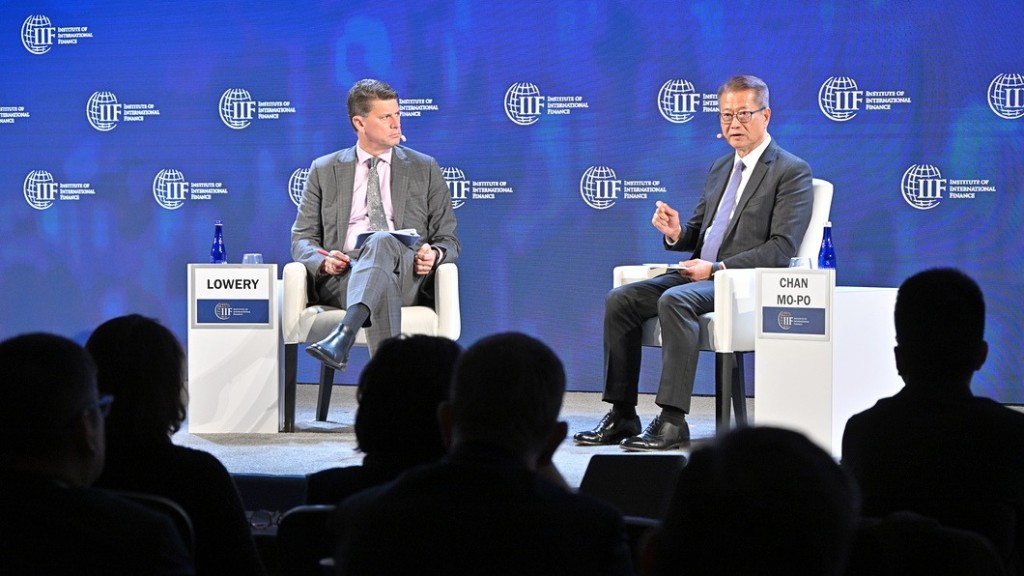
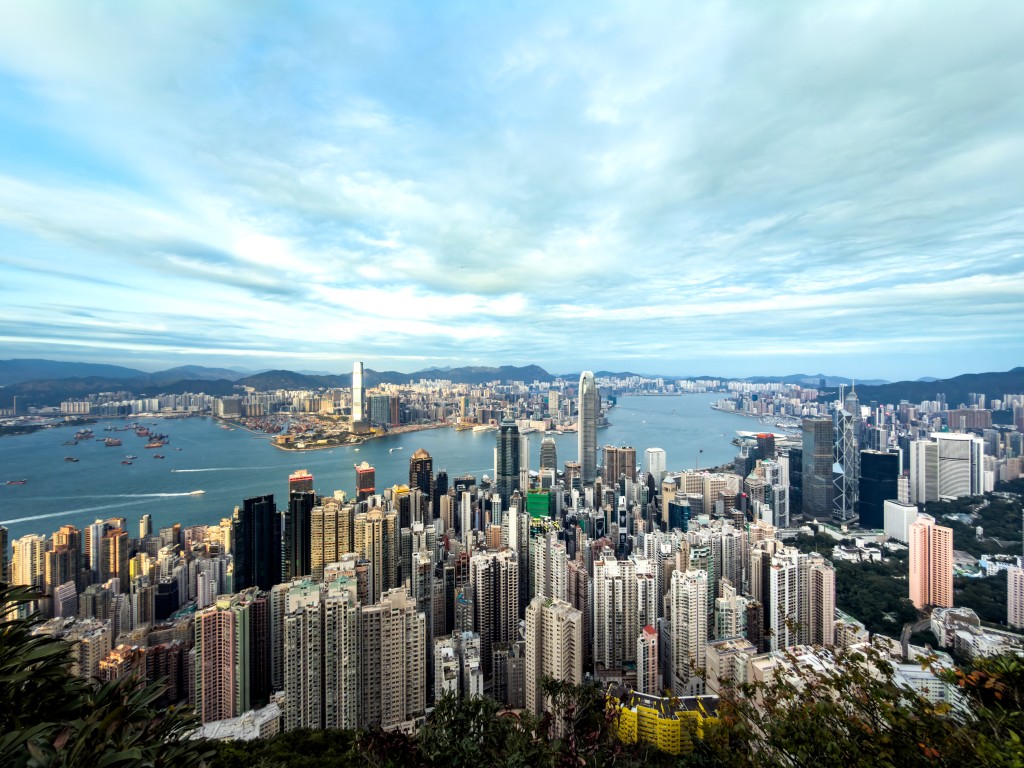
US firms hope for more stable relations between the world's two largest economies and are looking to Hong Kong as a springboard to expand into the Chinese mainland and the broader Asian market, Hong Kong Financial Secretary Paul Chan Mo-po said in his blog after concluding his visit to the US.
US businesses see Hong Kong’s familiar legal and market environment as a gateway to seek new partnership opportunities, Chan said, adding that China’s rapid advances in innovation, particularly in biotechnology, have led them to reassess the country’s technological strength and view the sector as a key area for collaboration.
Despite ongoing US-China trade tensions, the city has recorded a six percent year-on-year growth in US companies establishing operations during the first seven months of this year, said Alpha Lau Hai-suen, Director-General of Investment Promotion of Invest Hong Kong, in an interview with Sing Tao Daily, the sister publication of The Standard. As of last year, nearly 1,400 US companies had chosen Hong Kong as their base, according to the Census and Statistics Department.
In talks with US business and think tank leaders, Chan said there was a broad consensus that stable China-US relations are vital not only for the development of both nations but also for the global economy.
He added that at the International Monetary Fund and World Bank annual meetings, participants expressed concerns about the global economic outlook.
The IMF has revised its forecast for global growth this year to 3.2 percent, down 0.1 percentage point from last year, and expects it to slow further to 3.1 percent in 2026.
Meanwhile, he mentioned that another focus at the meetings was rising debt pressures in many advanced and emerging economies, which, combined with slowing growth, are limiting governments' ability to expand public spending and affecting social welfare.
Global supply and industrial chains are being reshaped, and regional cooperation is gaining momentum, Chan highlighted. Citing the IMF's research, he noted Asian countries are boosting domestic demand and intra-regional trade, with integration expected to lift their economies by 1.4 percent and account for about 60 percent of global growth this year and next.
As for the rapidly emerging digital assets, Chan noted that policymakers recognize their growing influence and that blockchain technology has practical applications in regional trade and cross-border settlements.
He added that there is broad agreement on the need for international coordination to carefully manage the risks these assets may pose to financial system stability.