





Read More








ImmD crackdown targets moonlighting domestic helpers arresting 17
19-05-2026 17:52 HKT

One dead, four injured in Jordan flat fire, 200 residents evacuated
22-05-2026 00:48 HKT


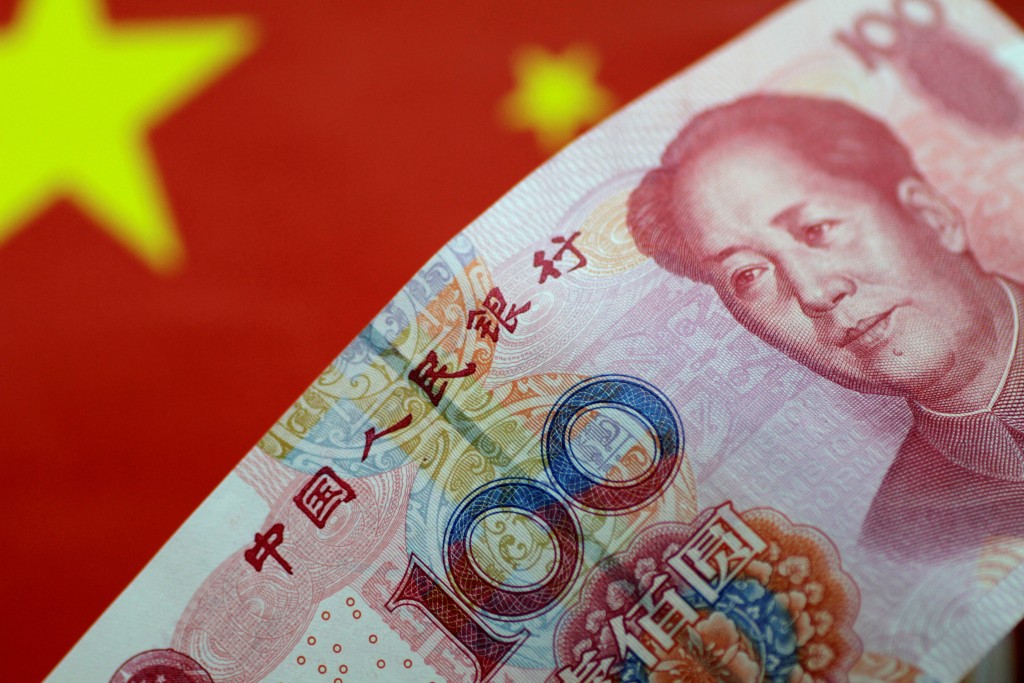
China's new bank loans recovered in August but were much lower than expected after unexpectedly contracting in July, as a protracted property slump and the government's campaign to rein in industrial overcapacity weighed on credit demand.
Chinese banks extended 590 billion yuan (HK$645.08 billion) in new loans in August, bouncing back from a 50 billion yuan contraction in July - the first decline in 20 years, according to Reuters calculations based on the People's Bank of China's data on Friday.
Analysts polled by Reuters had expected August new yuan loans would reach 800 billion yuan, compared with 900 billion yuan a year earlier.
The central bank does not provide monthly breakdowns. Reuters calculated the August figures based on the bank's January-August data, compared with the January-July figure.
Banks extended 13.46 trillion yuan in new loans in January-August, down 6.7 percent from 14.43 trillion yuan in the same period last year.
Top Chinese banks last month warned net interest margins would face increased pressure for the rest of the year, as the sector was weighed down by successive central bank interest rate cuts and weak loan demand.
Banks also face government pressure to offer cheaper loans or easier repayment terms to help struggling businesses, further compressing profit margins.
China's economy had lost some momentum coming into the third quarter, with factory output growth slumping to an eight-month low and retail sales also decelerating sharply in July.
Manufacturing activity fell for a fifth straight month in August, while exports also slowed to a six-month low last month as a brief boost from a tariff truce with the US faded.
Beijing and Washington agreed last month to extend the truce for another 90 days, staving off even higher duties as both sides continued to search for a comprehensive deal.
At home, the government has launched a so-called "anti-involution" programme to curb cut-throat competition among firms, as expectations grow for a new round of factory capacity cuts in a long-awaited but challenging campaign against deflation.
To boost domestic consumption, Beijing last month announced interest subsidies on loans to households and businesses in a bid to lower borrowing costs and spur spending.
The subsidies, which only took effect from September, could have delayed some borrowing decisions, Citi economists said in a research note.
Outstanding yuan loans rose 6.8 percent in August from a year earlier, down from a 6.9 percent pace in July. Analysts had expected growth to stay at 6.9 percent.
Broad M2 money supply grew 8.8 percent from a year earlier, the central bank data showed, above analysts' forecast of 8.7 percent in a Reuters poll. M2 expanded 8.8 percent in July.
The narrower M1 money supply climbed 6.0 percent year-on-year, compared with 5.6 percent in July.
Outstanding total social financing (TSF), a broad measure of credit and liquidity in the economy, rose 8.8 percent year-on-year, down from July's 9.0 percent pace.
TSF includes off-balance-sheet forms of financing that exist outside the conventional bank lending system, such as initial public offerings, loans from trust companies and bond sales.
REUTERS