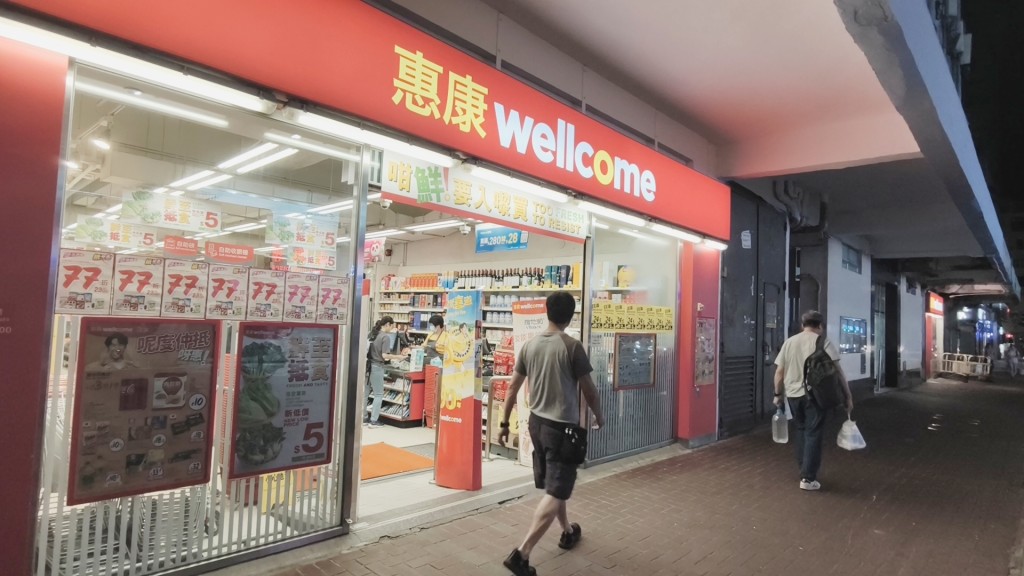
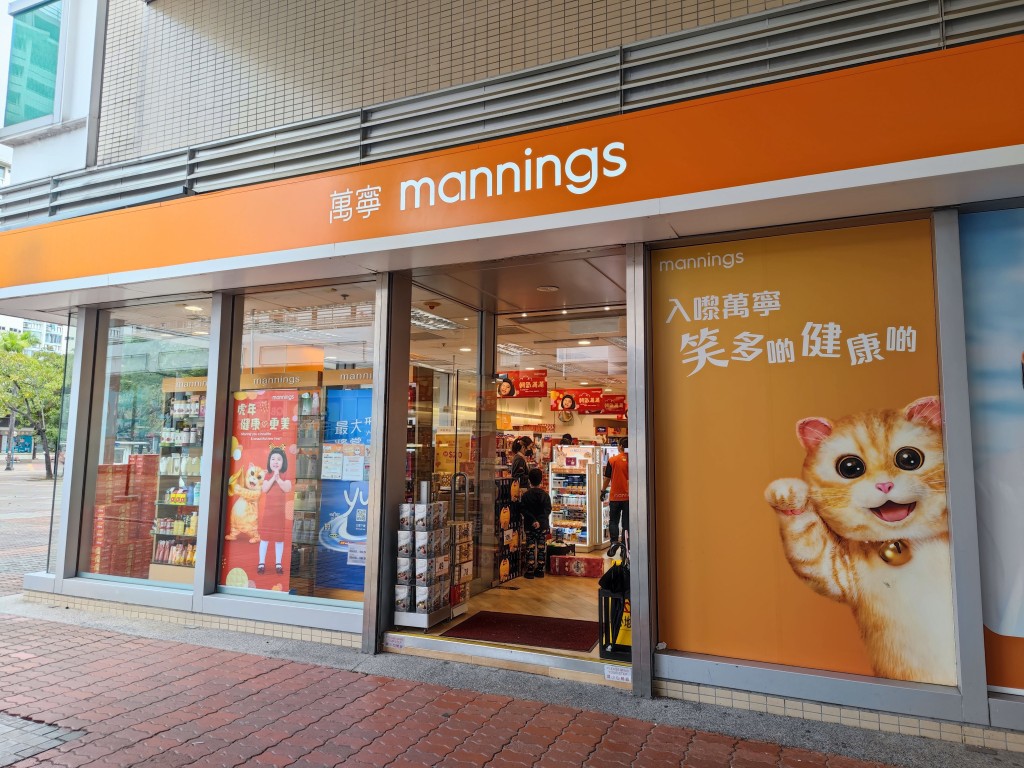
Upcoming layoffs at DFI Retail Group may have made headlines last week, but the deeper story for the operator of Wellcome, Mannings, 7-Eleven, and IKEA is how the group is struggling to keep pace with fast-changing consumer habits.
With more Hongkongers chasing cheaper alternatives across the border and online, DFI, one of the city’s biggest retail groups, is under mounting pressure to adapt and rethink how it does business, even as it continues to post profits and pay generous dividends, The Standard's sister publication East Week reported.
Shoppers Tighten Belts
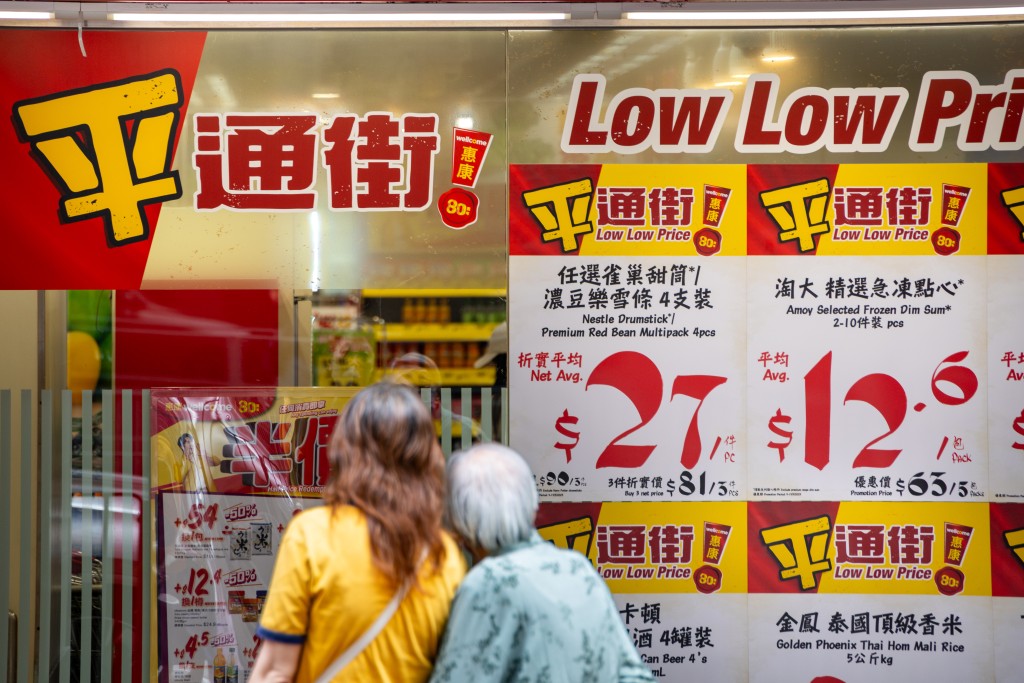
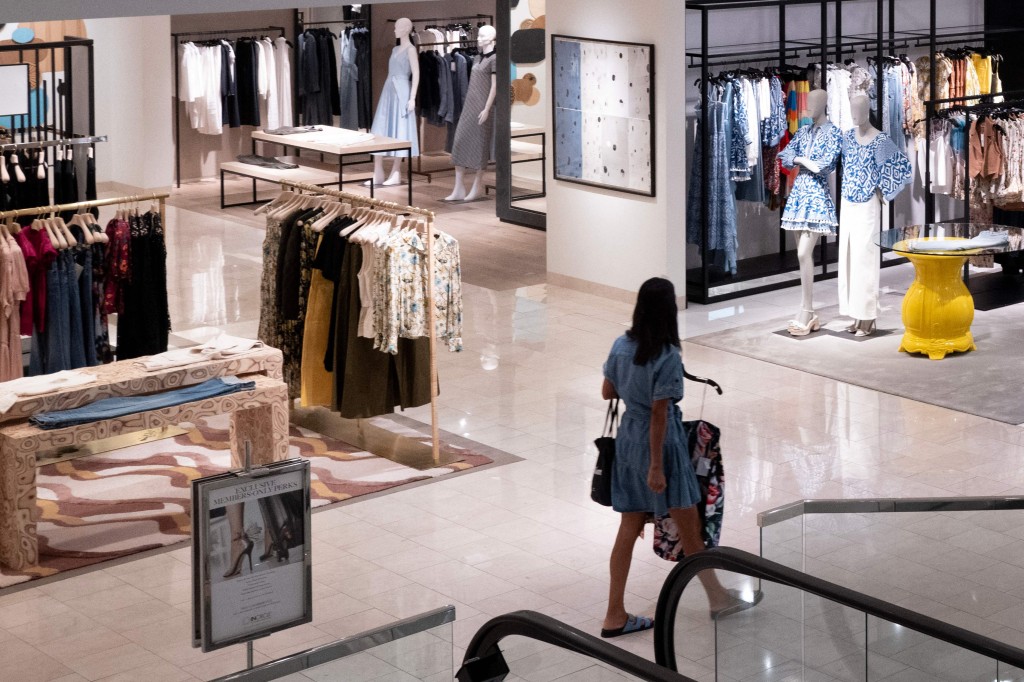
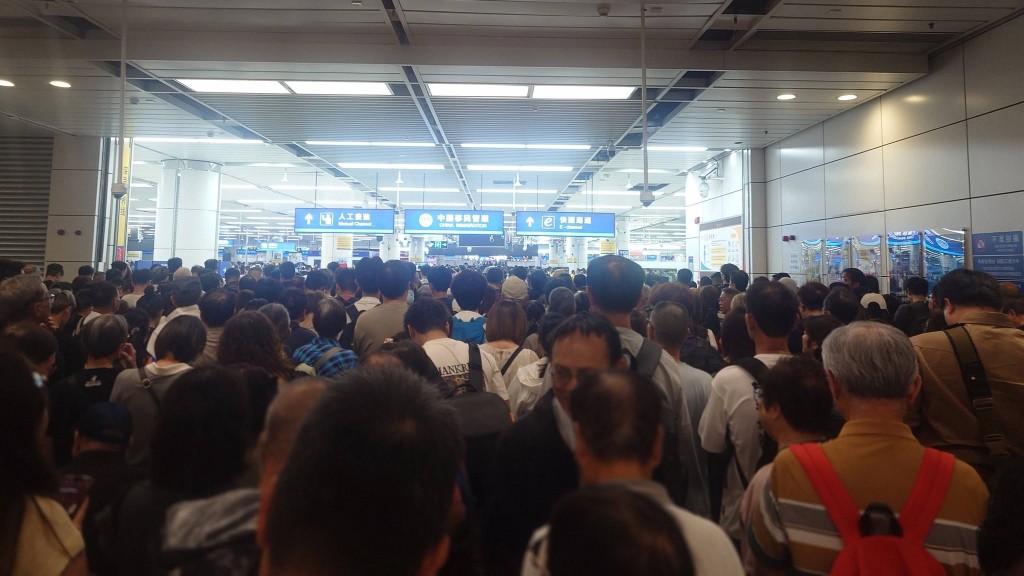
Hongkongers have grown increasingly price-sensitive, with “consumption downgrade” becoming a defining trend of the city’s post-pandemic economy. Cross-border shopping in Shenzhen on weekends to stock up on groceries and daily goods at lower prices has become a norm, while mainland e-commerce platforms like Pinduoduo, Taobao, and JD.com (9618) are carving out market share in Hong Kong, undercutting traditional supermarkets and convenience stores.
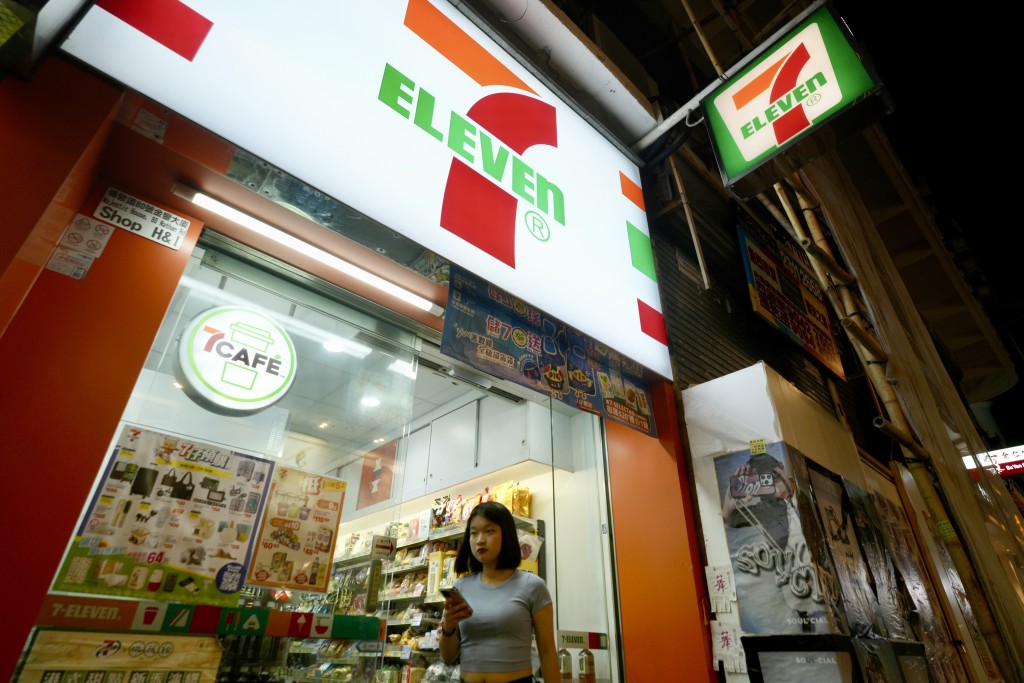
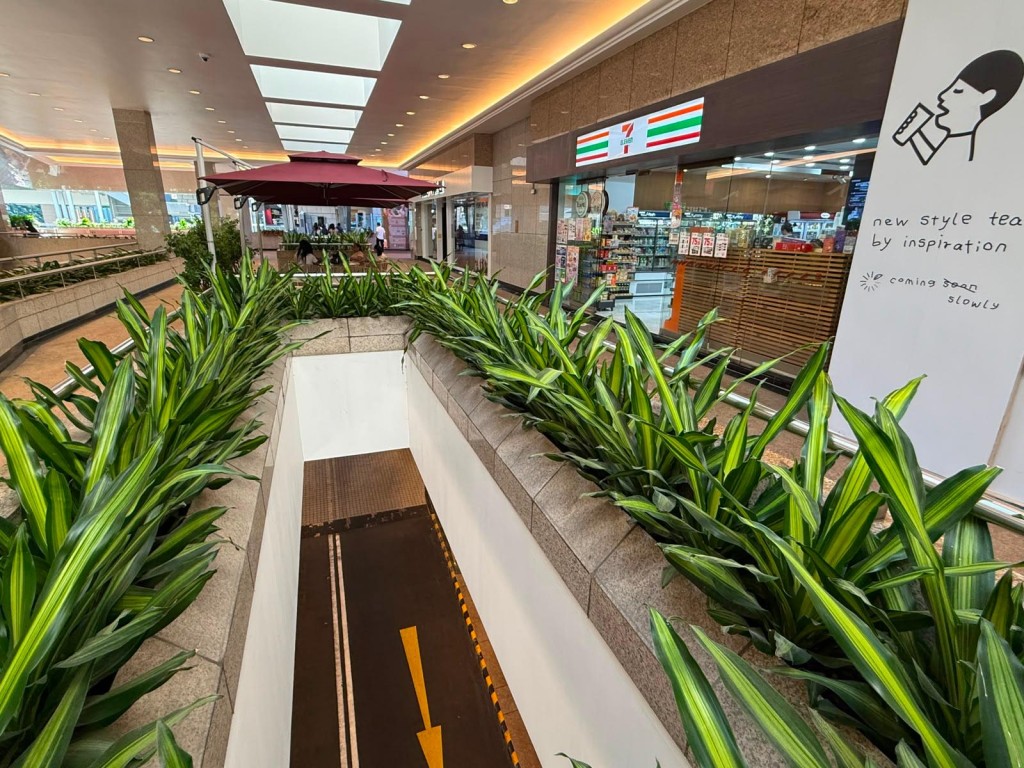
For DFI, which operates more than 280 Wellcome and 40 Market Place stores, around 300 shops of the health and beauty product chain Mannings and over 1,000 franchised 7-Eleven stores in Hong Kong, this shift is proving costly.
Still Profitable, But Struggling for Growth
On the surface, DFI’s finances remain solid. Despite reporting an interim loss of nearly US$38 million (HK$296.4 million) in the first half, its four main businesses were profitable. Wellcome lifted operating profit by 14 percent through tighter cost controls, and Mannings grew same-store sales by 4 percent. Stripping out one-off losses from failed investments in Yonghui Superstores and Robinsons Retail, DFI’s underlying profit actually rose 39 percent to US$105 million. That performance allowed the group to maintain its interim dividend and even issue a special payout, boosting total shareholder returns to 40 percent this year.
But solid results have not disguised a deeper challenge: the group’s sheer scale. Running more than 5,500 outlets across Asia comes with heavy recurring costs. And with shoppers defecting to cheaper rivals, its revenue growth has stalled, and margins have remained razor-thin.
DFI’s chief executive Scott Price admitted in a memo to employees that the group’s support costs had ballooned over the past five years, slowing decision-making and pushing up product prices. The planned job cuts, along with outsourcing and restructuring, are meant to streamline operations and deliver what he called “the lower prices customers expect,” he said.
Mainland Rivals Rewrite the Rules
The pressure is intensifying. JD.com’s recent acquisition of budget chain Kai Bo Food Supermarket has sparked aggressive discounting, including storewide 20 percent-off days and plans to stock shelves with JD’s cheaper private-label goods. For IKEA, competition is arriving in new forms: Taobao’s PapaHome showroom in Tsim Sha Tsui lets shoppers browse furniture in person before ordering online for less, luring away cost-conscious customers.
Economist Thomas Yuen Wai-kee said the battlefield has shifted: “Hong Kong consumers no longer pay for convenience alone. They want value, and mainland rivals have the supply chains to deliver it.”
Fighting Back With Cheaper Choices
To hold its ground, DFI is adjusting its strategy to win back budget-conscious shoppers. Its supermarkets are expanding private-label ranges such as Wellcome’s “Meadows” and Mannings’ in-house line. These products are priced below big-name brands but deliver higher margins, giving DFI more flexibility in pricing.
It is also forging direct supply chain partnerships, such as sourcing vegetables from mainland fresh grocery e-commerce Dingdong, to reduce costs and narrow the price gap with its mainland peers.
On the digital front, the group’s Yuu loyalty app is evolving into an online marketplace, offering delivery of Wellcome and 7-Eleven products through partners like Foodpanda and Meituan’s (3690) Keeta. While adoption has been slower than hoped, the move reflects changing consumer expectations for both value and convenience.
Shoppers Hold the Power
Yuen believes DFI’s planned layoffs are an inevitable response to mounting competition, and the retailer may also have to close some physical stores to cut high rental costs and stay competitive.
For DFI, the challenge now is not just to cut costs but to win back shoppers who have discovered cheaper options across the border or online.
For consumers, the price wars could bring more promotions, expanded product choices, and even lower prices in the market going forward.
Regardless, the battle for Hong Kong’s shopping baskets has only just begun, and local households will continue to vote with their wallets.