





Read More











ImmD crackdown targets moonlighting domestic helpers arresting 17
19-05-2026 17:52 HKT

One dead, four injured in Jordan flat fire, 200 residents evacuated
22-05-2026 00:48 HKT


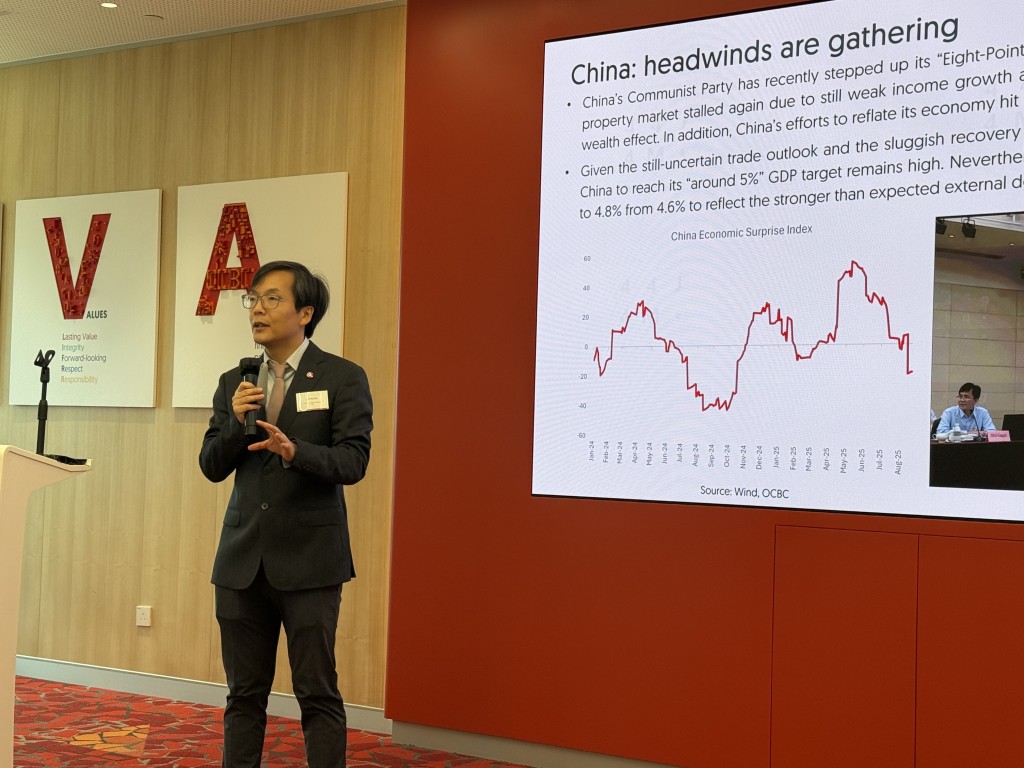
China's trade surplus with six major ASEAN economies is likely to hit a new record high in manufacturing products this year, as their economic ties are expected to be further strengthened amid the new tariff war initiated by the United States, according to OCBC Bank.
The projection, made by OCBC Bank's head of Asia macro research Tommy Xie Dongming, comes after China's trade balance with Singapore, Malaysia, Vietnam, the Philippines, Indonesia and Thailand in machinery and mechanical appliances and electrical equipment jumped to a positive US$63 billion last year, the highest since 2008.
For vehicles, aircraft, vessels and associated transport equipment, China's trade surplus with ASEAN-6 also climbed to a new high of almost US$30 billion last year, Xie added.
This is because Chinese companies have been relocating their manufacturing to Southeast Asia since the first trade war back in 2016, and the repositioning accelerated during the Covid-19 lockdown, Xie explained.
As the trade surplus was already nearing US$100 billion last year, it would be "too late for the US to try to break" the China-ASEAN link in the supply chain, Xie noted.
So it is likely that the trade surplus in mechanical and electrical products hit a new high this year, Xie told The Standard, without giving a specific number.
Instead of competition, Xie sees ASEAN's operations as satellites to China's dominant manufacturing base, complementing the powerhouse's core functions.
In fact, the core technology and materials still remain in China, making the investments in ASEAN more like an extension of the supply chain rather than a replacement, Xie continued.
As the uncertainties surrounding the US's trade policies remain, the trade linkage between China and ASEAN would be closer for the next decade, and the trend will support China's overall economic performance for the coming few years, Xie projected.
Meanwhile, OCBC raised its forecast for China's full-year economic growth to 4.8 percent from 4.6 percent, thanks to stronger-than-expected external demand.
But Xie pointed out that the cloudy trade outlook and sluggish recovery in the property sector remain a drag on the "around 5 percent" growth goal that China's President told the authorities to achieve in July.
When asked about potential measures to hit the 5 percent target, Xie said there would be room for more benchmark lending rate cuts and fiscal stimuli. However, he thinks the Chinese central bank is cautious about the actual effect of the rate cuts, as previous reductions deepened the deflation risks instead.
In terms of deflationary pressure, Xie believed an overall improvement may come next year, citing the low base effect. If the anti-involution campaign works, it will also help boost prices, he added.