Read More




One dead, four injured in Jordan flat fire, 200 residents evacuated
22-05-2026 00:48 HKT
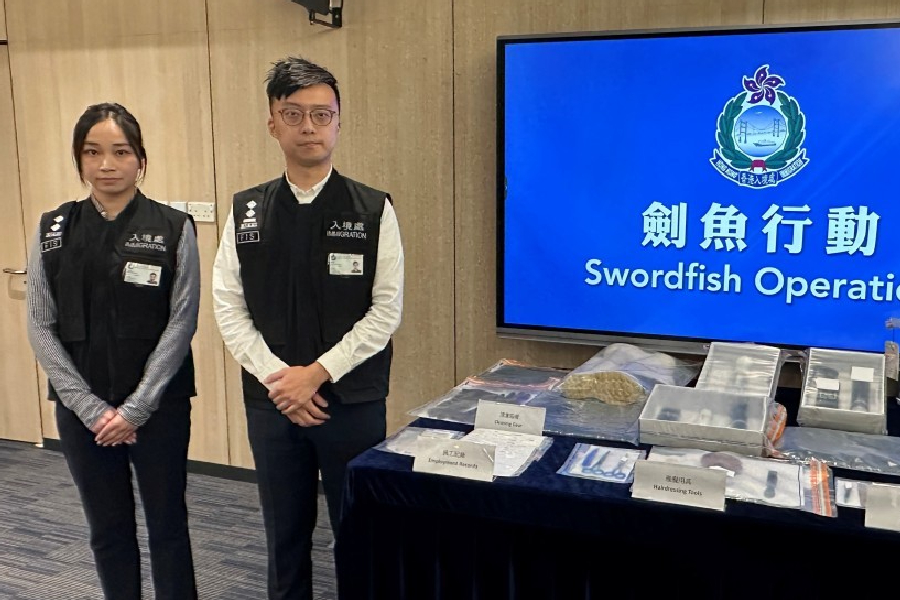
ImmD crackdown targets moonlighting domestic helpers arresting 17
19-05-2026 17:52 HKT
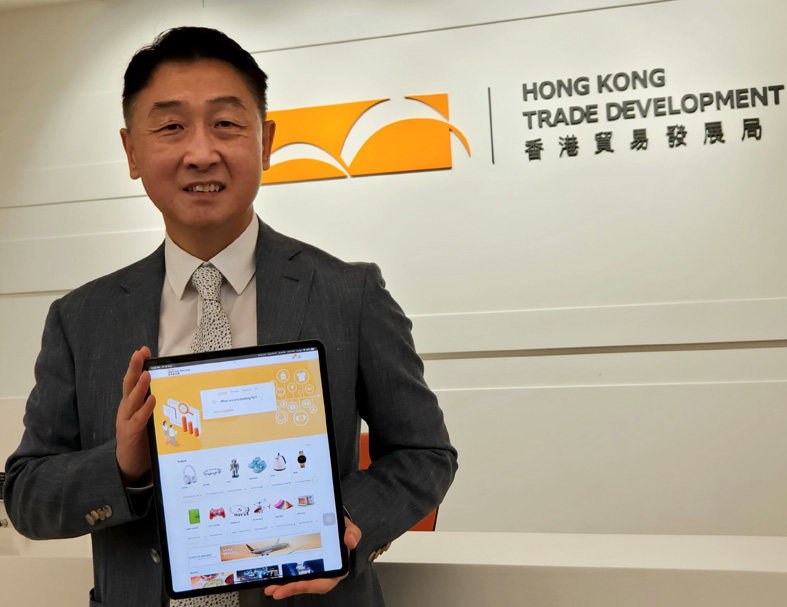
The Covid-19 pandemic has accelerated the development of business-to-business e-commerce globally and manufacturers have to keep pace with the changes, says Benjamin Chau Kai-leung, deputy executive director of the Hong Kong Trade Development Council.
More than 40 percent of the orders are made through exhibitions on average.
About 4,000 exhibitions have been canceled globally since February, involving US$300 billion (HK$2.34 trillion) in orders, under the lockdowns.
The council has also canceled about 40 physical exhibitions since the pandemic.
"The global demand for sourcing has slumped but there is still some demand, which has not been fulfilled," Chau says.
The HKTDC's sourcing website page views grew 20 percent year-on-year to 4.2 million from February to June.
Global buyers tend to source around the world to seek the cheapest materials instead of internal sourcing, even under the pandemic, as the competitiveness of Asian factories is still strong, he says.
Without e-commerce, they may consider sourcing within borders.
Chau believes B2B e-commerce could be the mega-trend of the future - and the Covid-19 pandemic has accelerated the transformation.
B2B online marketplace sales can grow to US$3.6 trillion by 2024, says a report from financial services advisory firm iBe.
However, B2B e-commerce is much more challenging than business-to-consumer e-commerce due to the cost of logistics.
B2C e-commerce has been successful as youngsters tend to shop online. The merchants also figure out how to deal with fitting problems as well as shipping and return. "It is impossible for manufacturers to ship thousands of customized products to customers and then get a return by the customer for free, which is similar to B2C e-commerce," Chau says.
B2B e-commerce still has the opportunity to do transactional business in the future virtual world but, for now, it is much more like a promotion.
The virtual border can come through a third-party inspection, Chau says.
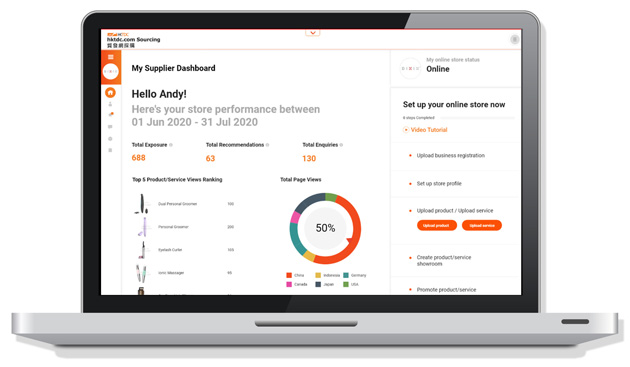
As buyers cannot touch the products, HKTDC added a verification function in its outsourcing website to minimize distrust.
The website evaluates the supplier as gold, silver or bronze, according to objective data, similar to Uber, such as responsiveness.
If the suppliers are willing to be examined by third parties like Dun & Bradstreet, their ranking will be higher and gain a higher chance of getting in touch with customers.
Manufacturers and merchants should realize that a hybrid model would be adopted in sourcing exhibitions in the future and the cost may be doubled, Chau reckons.
"Virtual exhibition doesn't mean lower cost because it needs a programmer to build up and a social media promotion fee."
To fit in the virtual world, Chau recommends small-and-medium enterprises learn online skills, such as search engine optimization, and photo editing.
HKTDC has launched Digital Academy since last month for SMEs to improve their digital promotion. Chau also suggests Hong Kong manufacturers, which used to focus their business on Europe and America, should open up new markets in mainland China, Southeast Asia and countries with a free-trade agreement with the SAR - as with Australia and New Zealand - in these difficult times.
"The tumbled global economy does not necessarily mean worse business for local manufacturers if they try hard to work in the overlooked markets, which may cover the losses in Europe and America," Chau says.
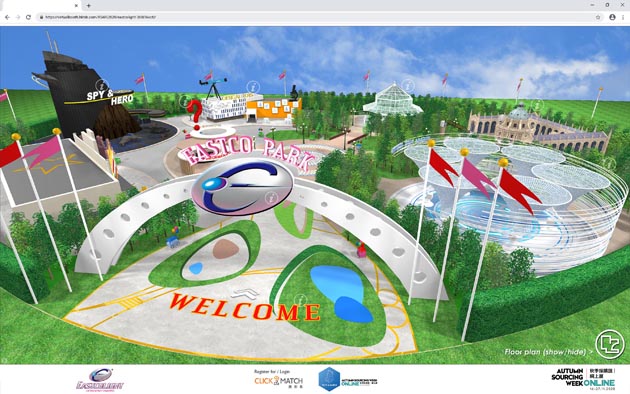
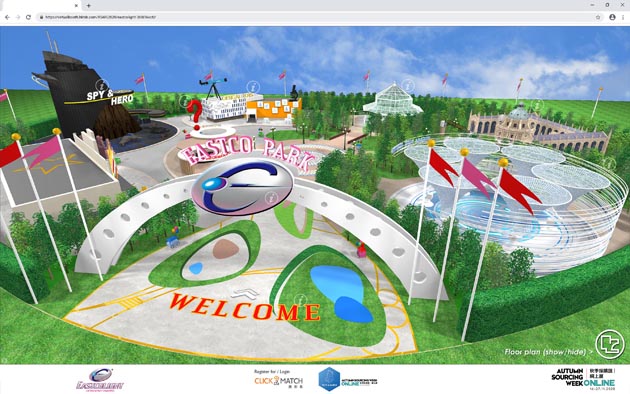
HKTDC launched five online exhibitions from April to July. It is launching Autumn Sourcing Week from today until November 27.
Hong Kong merchants are allowed to join the virtual exhibition for free after successfully applying for the SME Export Marketing Fund. It is subsidized by the HKTDC.