Read More




Morgan Stanley Asia deals leaked in missent email attachment
24-09-2026 21:49 HKT
UK denies BN(O) visas to Hongkongers with protest convictions: report
23-09-2026 18:59 HKT
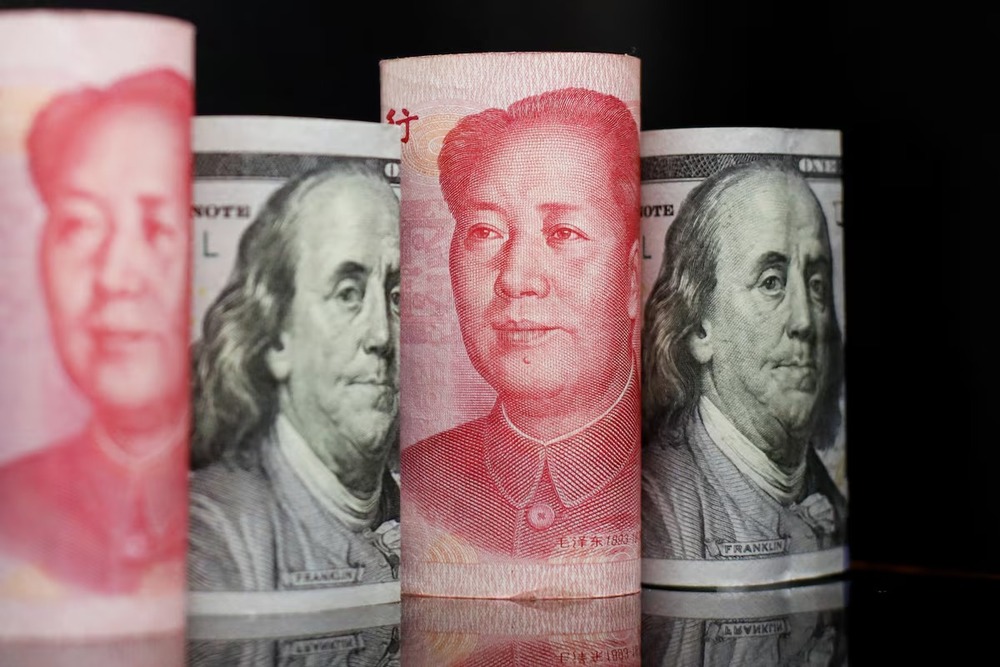
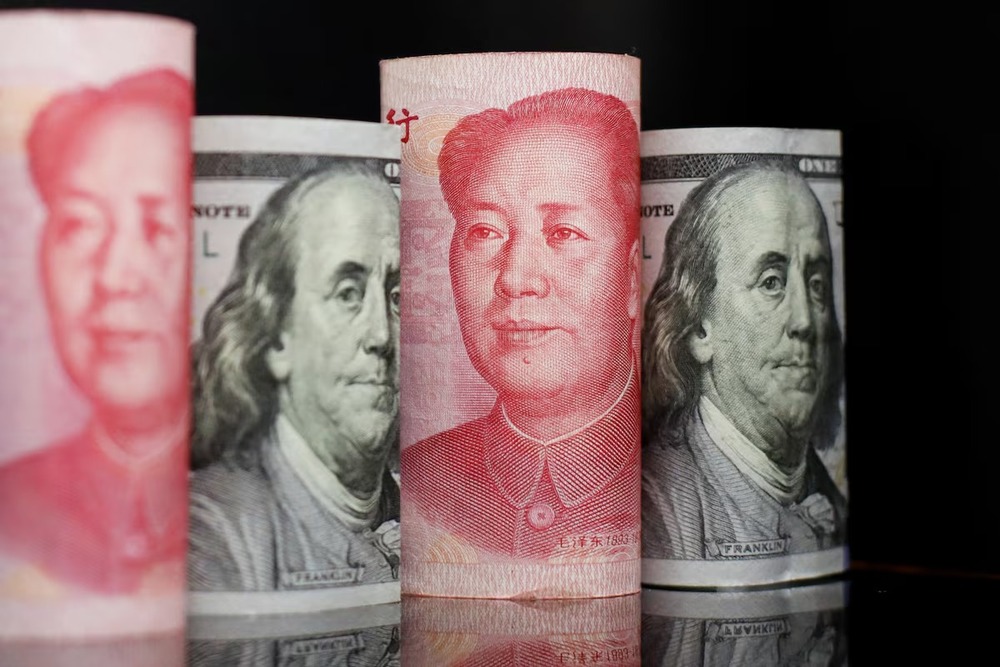
The onshore yuan weakened past 7.31 per US dollar on Monday, while the central parity rate dropped to its lowest level in over four months, after US tariffs on Chinese goods exceeded market expectations.
The People’s Bank of China set the yuan’s daily midpoint at 7.1980 per US dollar on the day, 91 pips weaker than the previous fix of 7.1889 — the lowest level since December 3, 2024.
The onshore yuan slipped to 7.3127, down 84 pips or 0.12 percent from the previous close of 7.3043, and 347 pips weaker than the late-night session close of 7.2780.
Offshore yuan also breached the 7.32 level, last trading at 7.3242, down 291 pips.
Investors sold the US dollar and poured into safe havens like the yen and Swiss franc on Monday after US President Donald Trump unleashed sweeping tariffs on the world.
Pro-growth currencies like the Australian and New Zealand dollars were not spared in the market rout that battered risk assets and wiped out nearly US$6 trillion (HK$46.8 trillion) in value from US stocks last week, on mounting fears of a global recession, particularly in the United States.
The Aussie was last down 0.73 percent at US$0.6001, having tumbled to a five-year low earlier in the session, while the kiwi slid 0.75 percent to US$0.5554.
The US dollar was down 1.3 percent against the yen at 144.95 in volatile early trade, languishing near a six-month low and extending its nearly 2 percent slide against the Japanese currency last week.
The Swiss franc jumped more than 1 percent to 0.85095 per US dollar, having also surged 2.3 percent against the greenback last week.
The two safe haven currencies have emerged as significant winners in the aftermath of Trump's latest tariff salvo. Assets like government bonds and gold have also risen on safety bids.
REUTERS and STAFF REPORTER