Read More













ImmD crackdown targets moonlighting domestic helpers arresting 17
19-05-2026 17:52 HKT

One dead, four injured in Jordan flat fire, 200 residents evacuated
22-05-2026 00:48 HKT
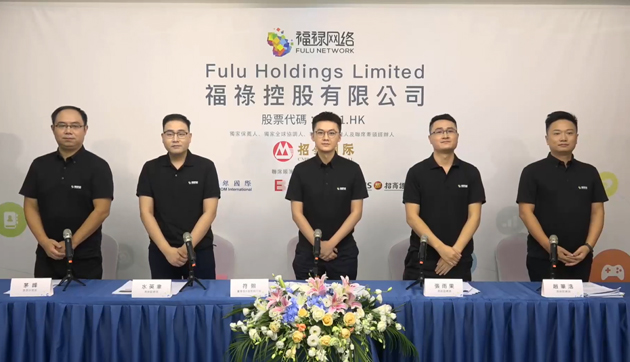
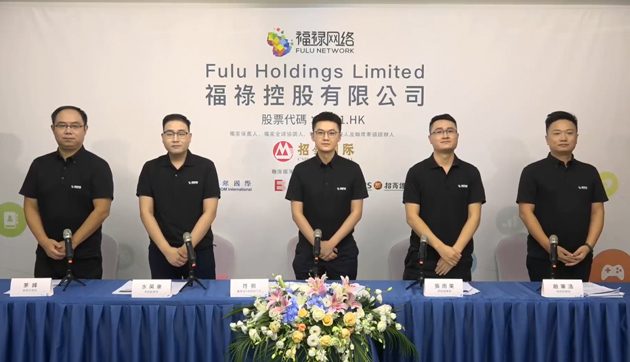
Fulu Holdings, a third-party virtual goods and services platform operator, will start trading in Hong Kong on Friday, aiming to raise up to HK$890 million.
Local brokers have loaned HK$38.81 billion for the deal, meaning the retail portion is oversubscribed by at least 436 times when it closed the margin financing last Thursday.
The Wuhan-based company plans to use half of the net proceeds from the float to facilitate virtual goods transactions, expand product offerings, increase sales channel partners, including those in the Southeast Asian market. Another half of the net proceeds will be for the development of value-added services, potential acquisitions, and for working capital and other general corporate purposes.
Fulu attracted five cornerstone investors who agreed to invest a combined HK$173.14 million, led by China Investment Financial Holdings Fund Management. Henderson Land Development (0012), co-chairman, Peter Lee Ka-kit, Shenzhen-listed online game developer Perfect World, Wuhan Baijie and Wuhan Optics Valley Industrial Investment are among the investors.
Fulu was the largest third-party virtual goods and services platform operator in China with a market share of 7.7 percent by revenue last year, according to Frost & Sullivan. The company has built a business-to-business platform connecting virtual goods sales channels and vendors, including leisure and entertainment content providers, games developers, telecommunications operators, and lifestyle services providers.
Fulu mainly facilitates the sale of virtual goods, such as membership cards, virtual currencies for streaming content and online games, in-game consumables or functions, telephone fees, data usage packages and e-vouchers.
Fulu's vendor partners include Tencent (0700), NetEase (9999), Perfect World, Nasdaq-listed video streaming firm iQIYI, live streaming platform Douyu and audio sharing app Ximalaya.
In the 12 months ended March, Fulu's platform facilitated transactions for an aggregate of over 910 virtual goods vendors and over 1,450 virtual goods sales channels. But in the first quarter, its gross merchandise volume, GMV, dropped by 13.92 percent to 3.71 billion yuan (HK$4.21 billion) dragged down by games-related transactions, as the company has shifted focus to transactions with higher commission rates, said chief financial officer Mao Feng. He believes GMV will rise rapidly this year, boosted by leisure and entertainment-related transactions.
Fulu is headquartered in Wuhan, which was the epicenter of the Covid-19 outbreak in mainland China, but none of its employees was affected, according to senior vice president Zhao Bihao.
Benefiting from the "stay-at-home" trend, Fulu saw first-quarter revenue surging by around 35 percent to 79.98 million yuan, while net profit jumped by 81.44 percent to 36.16 million yuan. Its gross profit margin also increased by 12.4 percentage points to 86.3 percent in the first three months.
However, Fulu is facing risks to sustain profit growth, given limited pricing power.
The company mainly derives revenues from commissions that it charges virtual goods vendors on its platform. The commissions are determined by vendors based on sales volumes, market prices, prevailing economic conditions, and goods types.
As China's virtual goods and services industry becomes more mature, vendors may reduce the commission rates, Fulu warns. In recent years, there has been a decreasing trend of average commission rates in the leisure and entertainment, and telecommunications industries.
Fulu's commission rates for the leisure and entertainment virtual goods transactions dropped to 8.3 percent in the first quarter from over 25 percent in 2017, while commission rates for telecommunications-related transactions fell to 0.2 percent last year from 0.5 percent in 2017.