Read More





ImmD crackdown targets moonlighting domestic helpers arresting 17
19-05-2026 17:52 HKT

One dead, four injured in Jordan flat fire, 200 residents evacuated
22-05-2026 00:48 HKT
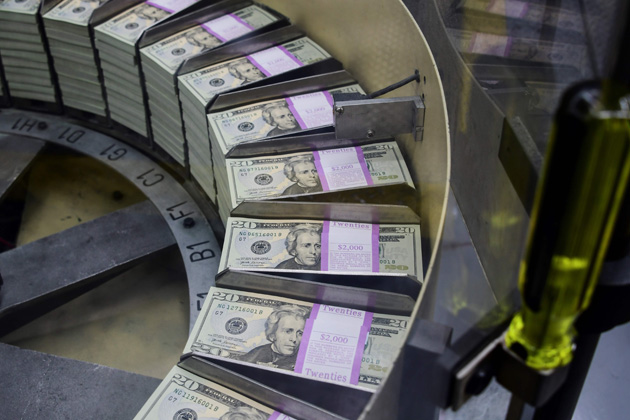
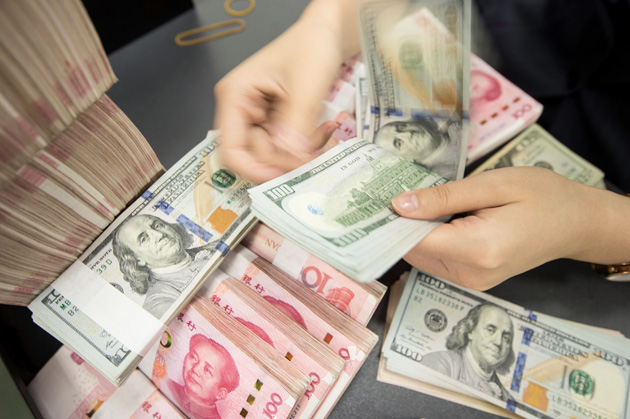
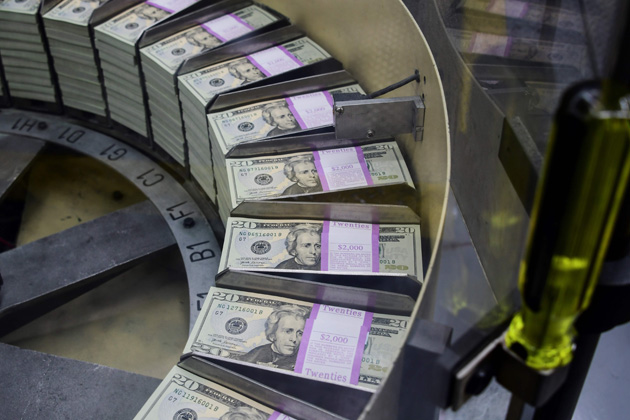
A weakening greenback is in plain sight, driving up other currencies including Chinese yuan, following massive-scale money printing by the US Federal Reserve to battle Covid-19 economic fallout, while a "dollar crash" expectation by a prominent economist has provoked a heated debate about how fast it will happen and how much it will fall.
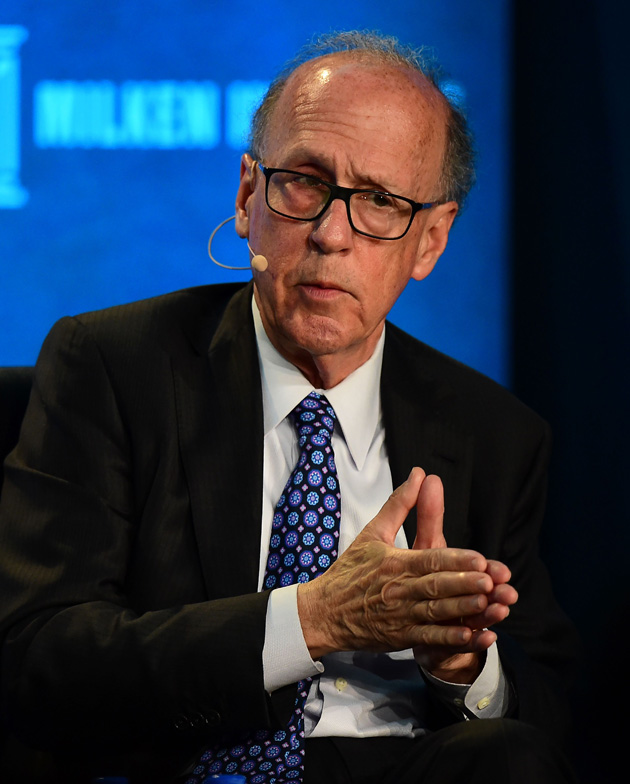
Stephen Roach, a faculty member at Yale University and former chairman of Morgan Stanley Asia, expects a 35 percent decline of US dollar against other major currencies, in the next one to two years, given extremely low national saving rates and long-lasting current-account deficit, which means the United States imports from other countries more than exports, or a "net debtor" to the world. And the Covid-19 pandemic will blow out the tension between the saving and the current accounts, he says.
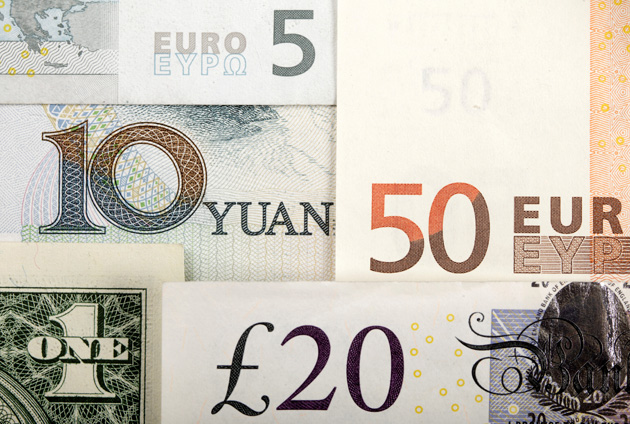
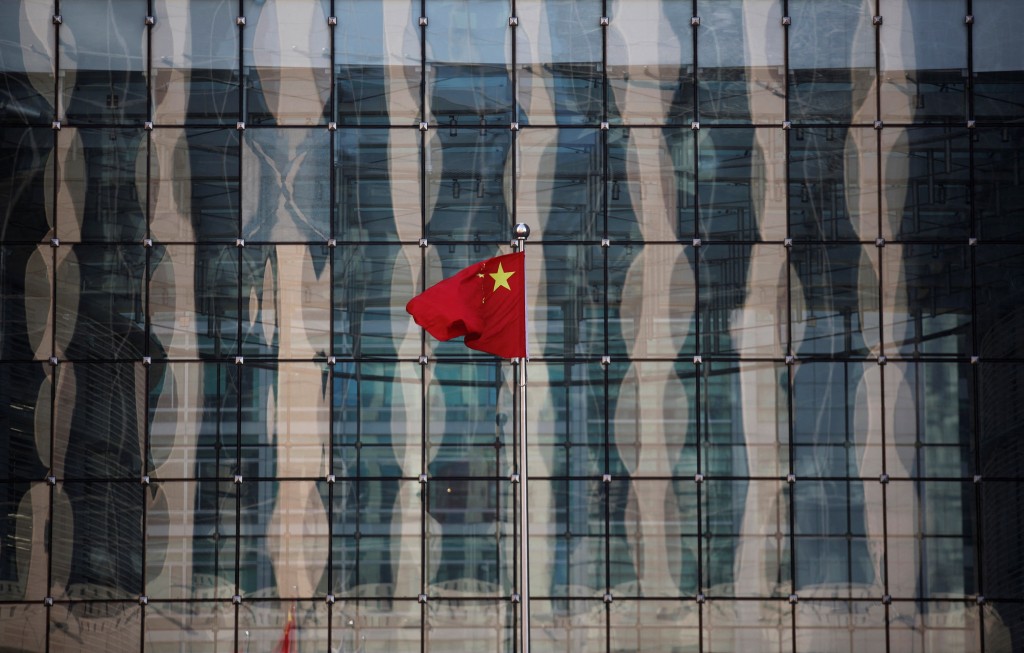
Roach also gives a call to yuan, as long as China keeps structural reform and embraces further liberalization of its financial system. And he believes there is an "unmistakable upside" for the euro, which might be an alternative to dollars for currency investors.
The US dollar index, has fallen 6.62 percent to 96.01 last Friday, from a three-year high of 102.82 on March 20, on hopes of global economic recovery and a market consensus that the dollar will weaken as a result of abundant supply after aggressively loosening monetary policies.
But other analysts do not expect a crash of the greenback, as uncertainties of the pandemic, economic recovery, and trade issue, as well as the US presidential election will give a mixed picture to the currency.
UBS Global Research's chief US economist Seth Carpenter and his team list three scenarios for the November election.
If US President Donald Trump is reelected, and the Congress remains split, that will push the US dollar firmer due to trade policy uncertainty. If Democratic opponent Joe Biden wins, and the Democrats flip the Senate, the expected risk-off inequity and reduced trade uncertainty will neutralize each other and keep the dollar in check. If the Republicans retain the Senate, there will be dollar depreciation due to reduced trade escalation risk with China.
The greenback's dominant position should prevent a sharp deterioration, analysts say. Around 60 percent of the foreign exchange reserves are denominated in US dollar, while 40 percent of trade are using the currency.
Bruce Yam Hiu-ping, forex strategist at Everbright Sun Hung Kai, says it is more likely to take five to 10 years for the US dollar to fall around 20-30 percent.
The expected US dollar depreciation is cyclical, he adds, with appreciation cycle for seven years on average following by a decade-long depreciation since the 1970s.
Craig Chan, Nomura's head of global FX strategy, reckons the greenback is overvalued by 18 percent and will fall 20 percent within three years, because of the budget deficit and the trade deficit.
From a one-year perspective, Standard Chartered Hong Kong expects a 5 to 7 percent drop, while the euro, pound, and Australian dollar would benefit.
Analysts do worry US dollar's dominant position will be undercut, but they do not expect it will be displaced.
Hong Kong Exchanges and Clearing (0388) managing director and chief China economist, Ba Shusong, warns that if central banks around the world run out of monetary firepower before a coronavirus vaccine is developed, the US might be forced to take interest rates negative. That would in turn trigger a series of negative impacts such as a sell-off of US treasury securities by Japan and Europe, he says.
He predicts that in the worst-case scenario, a "W-shaped" or "L-shaped" recovery could threaten the dominant role of the US dollar in the future, but so far there is no other alternative to the greenback.
Meanwhile, some analysts doubt whether yuan and the euro will strengthen significantly.
UBS Global Wealth Management believes tough political rhetoric is likely to keep the yuan hovering near the 7 level in the coming months, before rising to 6.7 in June next year. Yam also projects the yuan will trade around a range between 6.9 to 7.19 per US dollar as it does not freely flow.
When asked about the Hong Kong dollar, Yam says if the US dollar falls by 20-30 percent in the long term, that might trigger inflation in the city due to the currency peg.
But the problem is whether the peg will still exist after five years given intensifying tensions between the US and China, he says. If there is a long-gone for the peg, the Hong Kong dollar will be tumbling, but the city still has some choices, such as taking a basket of currencies to peg with.
He suggested local investors using the US dollar and the Australian dollar to hedge the risk of Hong Kong dollar depreciation. But investing in gold might be wiser, as nearly zero interest rate around the world makes currencies less attractive. Yam forecasts gold to rise to US$3,000 per ounce in two to three years.
For the euro, Goldman Sachs has raised their 12-month EUR/USD forecast to 1.25 from 1.17, as the Eurozone is expected to outperform the US amid the Covid crisis thanks to advantages in the labor market, medical and cultural texture. But the house believes the euro appreciation will be relatively gradual because the dollar's safe-haven appeal will be supported by uncertainties in the pandemic itself and cyclical outlook.
UBS Global Wealth Management says if social activities return to "normal" by the second half, due to the availability of an effective vaccine by this year-end, its preferred currency against the US dollar will be British pound. But asset manager Amundi warns the United Kingdom is experiencing the worst economic fallout among the G10 countries and the Brexit risk will add noise in the short term.