Read More






One dead, four injured in Jordan flat fire, 200 residents evacuated
22-05-2026 00:48 HKT

ImmD crackdown targets moonlighting domestic helpers arresting 17
19-05-2026 17:52 HKT
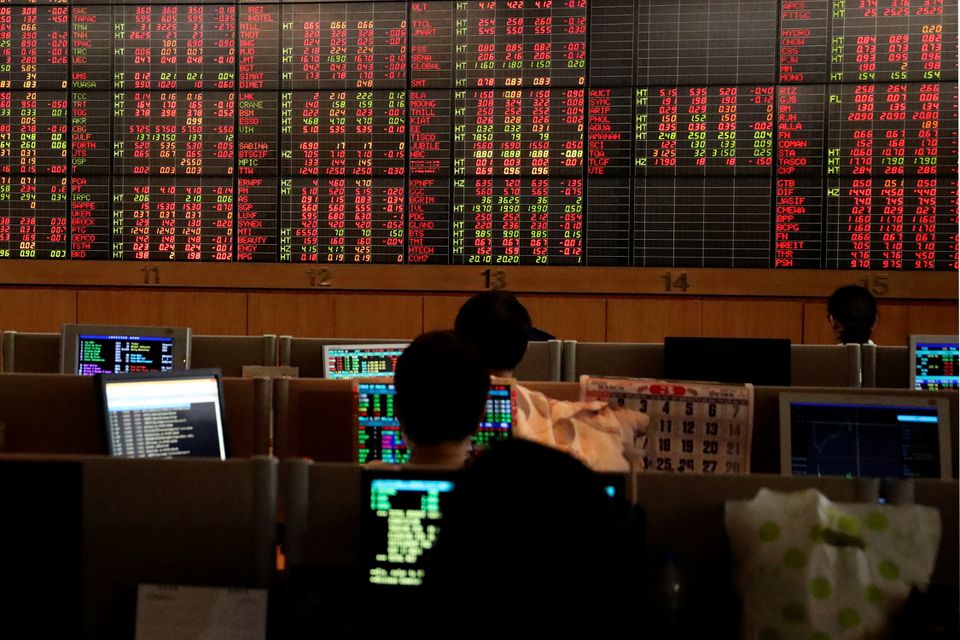
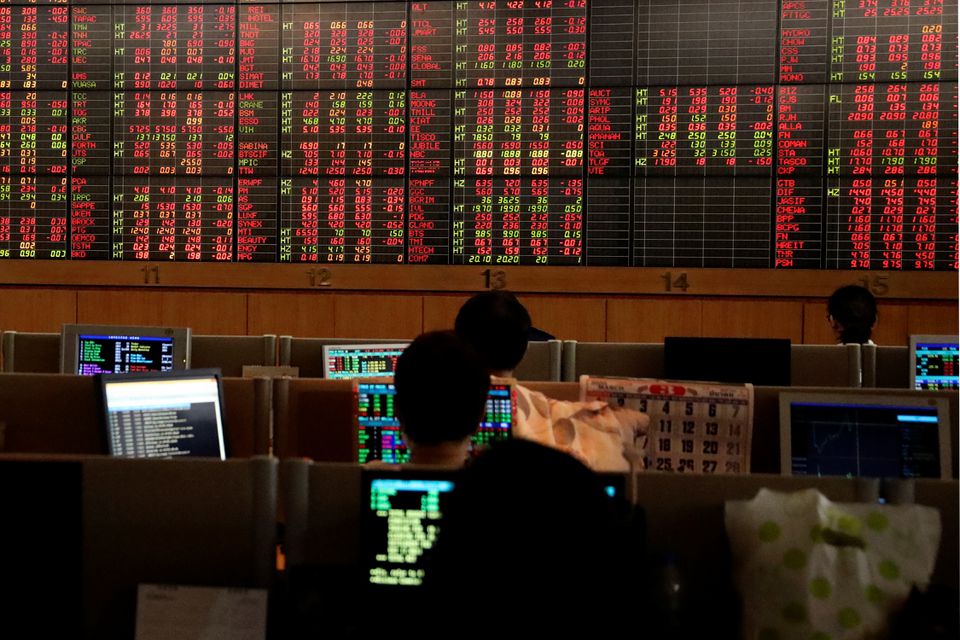
Asian share markets were struggling to sustain even a minor rally on Monday after shockingly weak data from China underlined the deep damage lockdowns were doing to the world's second-largest economy.
China's April retail sales plunged 11.1 percent on the year, almost twice the drop forecast, while industrial output dropped 2.9 percent when analysts had looked for a slight increase.
The risks had been to the downside given new bank lending in China hit the lowest in nearly four and half years in April.
China's central bank also disappointed those hoping for a rate easing, though Beijing on Sunday did allow a further cut in mortgage loan interest rates for some home buyers.
News that Shanghai was relaxing some of its lockdown restrictions offered only cold comfort to investors.
Chinese blue chips (.CSI300) shed 0.4 percent in reaction, while commodity currencies took a knock led by the Australian dollar which is often used as a liquid proxy for the yuan.
MSCI's broadest index of Asia-Pacific shares outside Japan (.MIAPJ0000PUS) were still up 0.2 percent, though that followed a 2.7 percent slide last week when it hit a two-year low.
Japan's Nikkei (.N225) clung to gains of 0.6 percent, having lost 2.1 percent last week even as a weak yen offered some support to exporters.
EUROSTOXX 50 futures and FTSE futures went flat. S&P 500 stock futures lost early gains to ease 0.4 percent, while Nasdaq futures fell 0.3 percent.
Both are far from last year's highs, with the S&P having fallen for six straight weeks.
Sky-high inflation and rising interest rates saw U.S. consumer confidence sink to an 11-year low in early May and raised the stakes for April retail sales due on Tuesday.
A hyper-hawkish Federal Reserve has driven a sharp tightening in financial conditions, which led Goldman Sachs to cut its 2022 GDP growth forecast to 2.4 percent, from 2.6 percent. Growth in 2023 is now seen at 1.6 percent on an annual basis down from 2.2 percent.
"Our financial conditions index has tightened by over 100 basis points, which should create a drag on GDP growth of about 1pp," said Goldman Sachs economist Jan Hatzius.
"We expect that the recent tightening in financial conditions will persist, in part because we think the Fed will deliver on what is priced."
Futures imply 50 basis-point hikes in both June and July and rates between 2.5-3.0 percent by year end, from the current 0.75-1.0 percent.
Fears that all this tightening will lead to recession spurred a rally in bonds last week, which saw 10-year yields drop 21 basis points from peaks of 3.20 percent. Early Monday, yields were easing again to reach 2.91 percent.
The pullback saw the dollar come off a two-decade top, though not by much. The dollar index was last at 104.560, and within spitting distance of the 105.010 peak.
The euro stood at US$1.0394 , having got as low as US$1.0348 last week. The dollar did lose ground on the yen which seemed to get a safe-haven bid in the wake of the China data, slipping to 128.88 yen .
In cryptocurrencies, Bitcoin was last up 2 percent at US$30,354, having touched its lowest since December 2020 last week following the collapse of TerraUSD, a so-called stablecoin.
In commodity markets, gold was pressured by high yields and a strong dollar and was last at US$1,811 an ounce having shed 3.8 percent last week.
Oil prices reversed course as the dire Chinese data rekindled worries about demand.
Brent lost US$1.22 to US$110.33, while U.S. crude shed US$1.04 cents to US$109.45.
(Reuters)